
Poor Construction Site Documentation: How Lack of Records Creates Legal, Financial & Technical Problems
- Anjali Regmi
- Mar 9
- 3 min read

In civil engineering projects, documentation is as important as physical construction work. While engineers often focus on materials, equipment, and labor, many projects face serious problems due to poor or incomplete site documentation. Construction documentation provides a detailed record of work progress, decisions, approvals, inspections, and technical changes during the project lifecycle.
When documentation is weak or missing, it becomes difficult to track project progress, resolve disputes, justify payments, or verify quality standards. In real construction practice, poor documentation can create legal issues, financial losses, and project management failures.
Importance of Construction Documentation
Construction documentation serves as an official record of project activities and decisions. It helps ensure transparency, accountability, and effective communication among project stakeholders.
Proper documentation helps in:
Tracking project progress
Verifying work quality
Managing contracts and payments
Resolving disputes between parties
Types of Construction Documents
Several types of documents are maintained during construction projects.
Daily Progress Reports (DPR)
Daily reports record site activities, manpower deployment, materials used, weather conditions, and work completed on a particular day.
Site Inspection Reports
Inspection reports document the results of quality checks, safety inspections, and compliance with engineering specifications.
Material Test Reports
Laboratory test reports verify the quality of materials such as concrete, steel, and aggregates.
Importance of Drawing Revisions
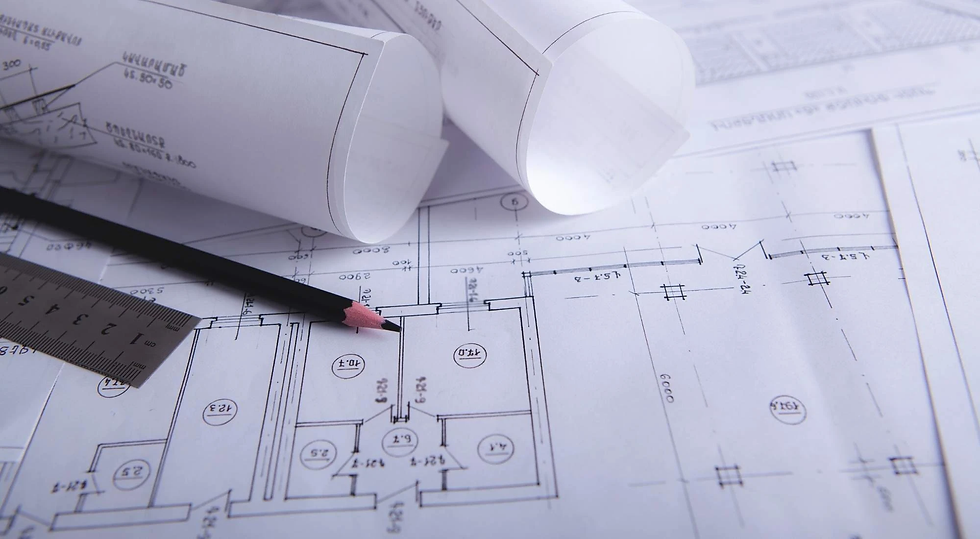
Construction drawings often undergo revisions during project execution. If revised drawings are not properly documented and distributed, construction teams may work with outdated information.

Using incorrect drawings can lead to:
Structural errors
Rework and delays
Cost overruns
Payment and Measurement Records
Accurate measurement records are necessary for contractor payments. Engineers must maintain detailed records of completed work quantities.
Common documentation includes:
Measurement books (MB)
Billing records
Material consumption reports
These documents ensure fair and transparent financial transactions.
Legal Importance of Construction Records
Construction documentation also plays a vital role in legal disputes. If disagreements arise between contractors, consultants, or clients, documented records serve as evidence.
Examples of legal documentation include:
Contract agreements
Change orders
Site instructions
Correspondence between stakeholders
Quality Control Documentation
Quality assurance requires maintaining detailed records of inspections and testing. These records confirm that construction activities comply with engineering standards.

Examples of quality documentation include:
Concrete cube test reports
Reinforcement inspection reports
Material approval documents
Common Documentation Problems on Construction Sites
Despite its importance, documentation is often neglected in smaller construction projects.
Common problems include:
Missing daily reports
Incomplete measurement records
Unrecorded design changes
Lack of material test documentation
These gaps create confusion during project reviews and audits.
Role of Civil Engineers in Documentation
Site engineers play a key role in maintaining accurate project records. Their responsibilities include:
Preparing daily progress reports
Recording inspection results
Updating measurement books
Maintaining communication records
Proper documentation reflects professional project management.
Benefits of Digital Documentation Systems
Modern construction projects increasingly use digital project management systems to maintain documentation. Software platforms allow engineers to store drawings, reports, and inspection records electronically.
Benefits of digital systems include:
Easy access to documents
Improved collaboration among teams
Reduced risk of data loss
Faster reporting and analysis
Impact of Poor Documentation on Project Management
Weak documentation can lead to several problems:
Payment disputes with contractors
Difficulty tracking project progress
Legal conflicts between stakeholders
Poor accountability for errors
Maintaining proper records prevents these issues.
Best Practices for Effective Construction Documentation
To maintain accurate documentation, engineers should:
Record daily site activities regularly
Maintain updated drawing revisions
Document all inspection results
Store material test reports safely
Use digital tools for document management
These practices improve project transparency and efficiency.
Conclusion: Strong Documentation Ensures Successful Project Management
Construction documentation is an essential aspect of civil engineering project management. It provides a reliable record of project activities, technical decisions, and financial transactions. Most documentation problems arise from negligence, poor record-keeping practices, or lack of awareness among construction teams.
Civil engineers who prioritize accurate documentation, maintain organized records, and implement digital documentation systems significantly improve project management and accountability. In real construction practice, proper documentation reflects professional discipline, legal awareness, and commitment to delivering high-quality construction projects.


Comments