
Poor Concrete Mix Proportioning: How Wrong Mix Ratios Lead to Weak Structures
- Anjali Regmi
- Mar 6
- 3 min read

Concrete is the most widely used construction material in civil engineering. Its strength, durability, and long-term performance depend heavily on the correct proportioning of its ingredients: cement, sand, aggregates, and water. However, one of the most common technical mistakes on construction sites is improper concrete mix proportioning.
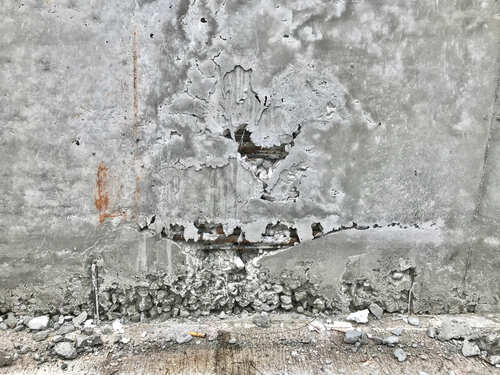
When concrete ingredients are not mixed in the correct ratio, the resulting concrete may appear solid but lacks the strength and durability required for structural performance. Poor mix proportioning often leads to cracks, reduced compressive strength, honeycombing, and early structural deterioration.
Why Concrete Mix Proportioning is Critical
Concrete works as a composite material where each ingredient plays a specific role.
Cement acts as the binding material
Sand (fine aggregate) fills voids between aggregates
Coarse aggregate provides structural strength
Water activates cement hydration
Incorrect proportioning disrupts this balance, weakening the concrete structure.
Types of Concrete Mix Used in Construction
Concrete mixes are usually categorized into two types:
Nominal Mix
Used for smaller construction works such as residential buildings. Typical ratios include:
1:2:4 (cement:sand:aggregate)
1:1.5:3
Design Mix
Used for larger or structural projects where precise strength is required. The mix proportions are calculated based on laboratory tests to achieve specific concrete grades like M20, M25, or M30.
Common Mix Proportioning Mistakes on Construction Sites
Excess Water in Concrete
Workers often add extra water to increase workability. However, this increases the water-cement ratio and significantly reduces concrete strength.
Incorrect Measurement of Materials
Using buckets or approximate measurements instead of proper batching leads to inconsistent mix quality.
Poor Mixing Process
Inadequate mixing results in uneven distribution of cement and aggregates.
Water-Cement Ratio and Its Importance
The water-cement ratio is one of the most important factors affecting concrete strength. It represents the ratio of water weight to cement weight in the mix.
Low water-cement ratio: Higher strength but lower workability
High water-cement ratio: Lower strength but easier to work with
Engineers must maintain the correct balance to achieve both workability and structural strength.
Consequences of Poor Concrete Mix Proportioning
Improper mix ratios can cause several structural issues:
Reduced compressive strength
Honeycombing in concrete
Increased permeability
Shrinkage cracks
Poor bonding with reinforcement
These defects compromise the durability and safety of structures.
Honeycombing: A Result of Poor Mix Quality
Honeycombing occurs when voids remain inside concrete due to improper mixing or compaction. It exposes reinforcement bars and reduces structural integrity.

Importance of Concrete Testing
Concrete testing ensures that the mix achieves the required strength and quality. Common tests include:
Slump test (for workability)
Cube compressive strength test
Aggregate grading tests
These tests help engineers monitor concrete quality during construction.
Role of Site Engineers in Mix Control
Civil engineers must ensure that concrete mix proportions are strictly followed during construction. Their responsibilities include:
Monitoring batching process
Checking slump values before pouring
Ensuring proper mixing time
Supervising compaction and curing
Active supervision helps maintain consistent concrete quality.
Modern Batching Plants and Quality Control
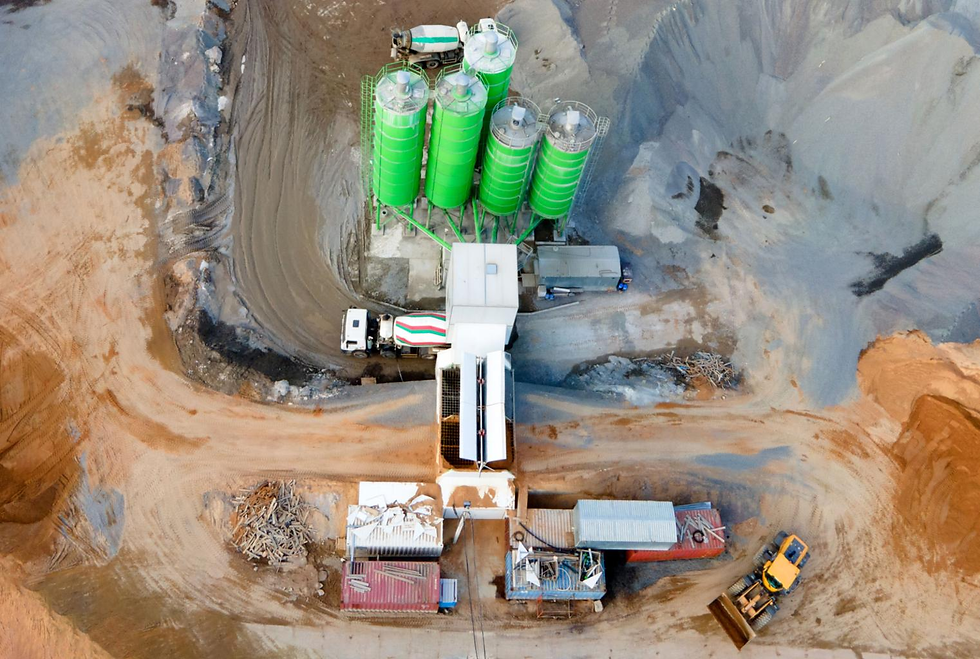
Large construction projects often use automated batching plants where ingredients are measured electronically. These systems ensure precise mix proportions and reduce human errors.
Preventive Measures for Proper Mix Proportioning
To maintain concrete quality, engineers should follow these practices:
Use accurate batching methods
Avoid unauthorized water addition
Ensure proper mixing duration
Conduct regular quality tests
Train workers on correct mixing techniques
Following these practices significantly improves concrete performance.
Impact of Poor Mix Proportioning on Project Cost
Weak concrete structures often require repairs or reconstruction, leading to:
Increased material consumption
Higher labor costs
Project delays
Reduced structural lifespan
Proper mix design prevents these costly problems.
Conclusion: Correct Concrete Mix is the Foundation of Structural Strength
Concrete mix proportioning is a fundamental aspect of civil engineering that directly affects structural safety and durability. Most concrete-related problems arise not from design flaws but from poor execution and incorrect mix ratios during construction.
Civil engineers who enforce strict quality control in concrete batching, maintain correct water-cement ratios, and supervise mixing processes ensure strong and durable structures. In real construction practice, accurate mix proportioning reflects technical competence and commitment to building reliable infrastructure.


Comments