
Necessity of Field Training for Civil Engineering Students
- Anjali Regmi
- Jan 20
- 3 min read

Civil engineering is a profession where theory without practice has very limited value. While classroom learning builds conceptual understanding, it is field training that transforms a student into an engineer who can execute, supervise, and solve real-world problems. Unfortunately, many civil engineering students underestimate the importance of site exposure until they face job interviews or their first day at work.
Field training is not just an academic requirement, it is the foundation of professional competence in civil engineering. This blog explains why field training is essential, what students learn on site, and how it directly impacts employability and career growth.

The Gap Between Classroom Learning and Site Reality
In classrooms, students learn about concrete grades, reinforcement detailing, foundations, and construction planning through textbooks and lectures. However, actual construction rarely follows textbook-perfect conditions.
On site, students observe:
Variations in soil conditions
Changes in drawings due to site constraints
Material shortages and substitutions
Weather-related delays
Labor and safety challenges
Field training helps students understand how engineers adapt theory to reality. This ability to adjust and make practical decisions is what separates a graduate from a professional engineer.

Understanding Real Construction Processes
One of the biggest benefits of field training is exposure to step-by-step construction processes, such as:
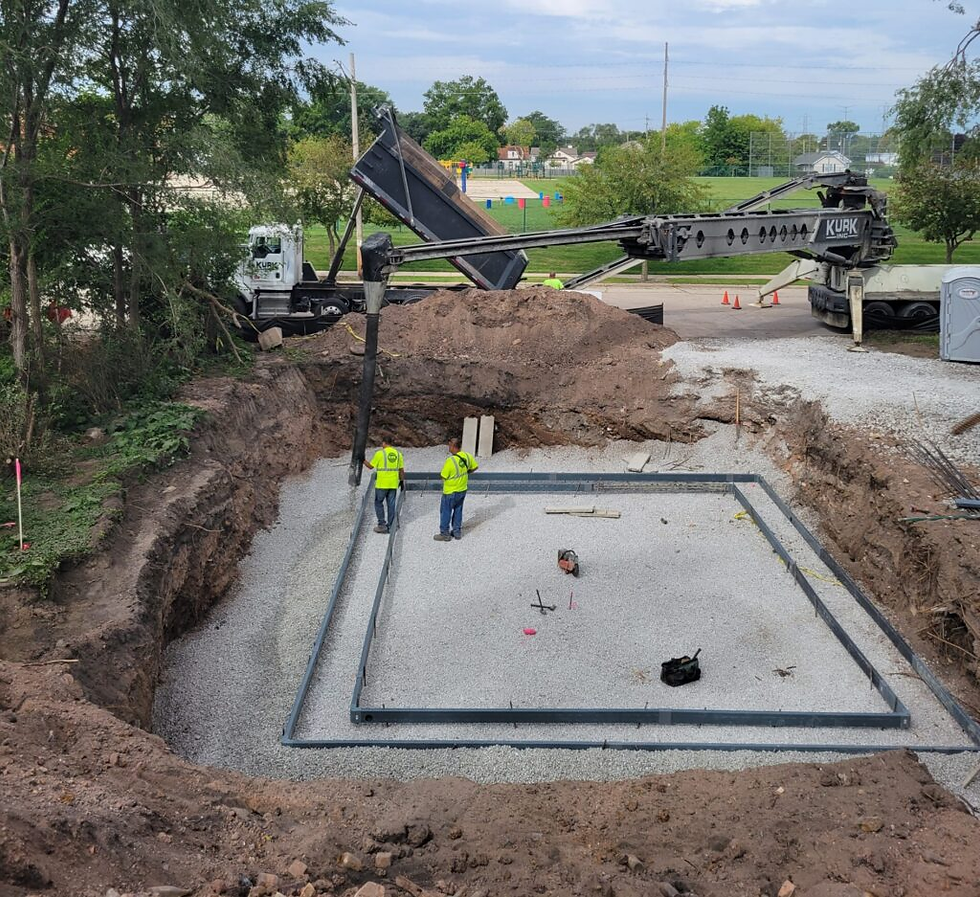
Excavation and foundation preparation
Reinforcement cutting, bending, and placement
Shuttering and formwork systems
Concreting, compaction, and curing
Brickwork, plastering, and finishing works
By observing and participating in these activities, students develop a clear sequence of construction, which is critical for site roles.
Learning the Role and Responsibilities of a Site Engineer
Field training allows students to observe the daily responsibilities of site engineers, including:
Supervising ongoing work
Coordinating with contractors and labor
Checking drawings and measurements
Ensuring quality and safety
Reporting progress to seniors
This exposure helps students decide whether they prefer site execution, planning, billing, or design roles, enabling better career choices.
Importance of Safety Awareness in Construction

Safety is a critical aspect of civil engineering that cannot be fully understood in classrooms. Field training teaches students:
Importance of personal protective equipment (PPE)
Safe handling of tools and machinery
Risk identification on construction sites
Compliance with safety protocols
Students who undergo proper field training develop a safety-first mindset, which is highly valued by employers.
Improving Employability and Interview Performance
One of the strongest advantages of field training is its direct impact on job opportunities. During interviews, employers frequently ask:
Have you worked on a construction site?
What activities did you observe or handle?
What challenges did you face on site?
Students with field training can answer confidently with real examples, while those without exposure often struggle. Even short-term training of 30–45 days can significantly improve interview performance.
Developing Problem-Solving and Decision-Making Skills
Construction sites are dynamic environments where unexpected issues arise daily—material delays, equipment failure, labor shortages, or design changes. Field training helps students observe how engineers:
Identify problems quickly
Analyze possible solutions
Take responsibility for decisions
Coordinate with teams to resolve issues
These experiences build practical problem-solving skills that no textbook can provide.
Building Professional Discipline and Work Ethics
Field training instills professional habits such as:
Punctuality and time management
Documentation and reporting
Respect for hierarchy and teamwork
Accountability for work quality
Students learn that civil engineering demands discipline, patience, and responsibility, especially when public safety is involved.
Field Training Helps Students Choose the Right Career Path
Many civil engineering students are unsure whether they want to work on site, in design offices, or in management roles. Field training provides clarity by exposing students to:
Site execution
Quality control
Planning and scheduling
Material testing and billing
This clarity prevents poor career decisions and helps students focus on skill development aligned with their interests.
Why Employers Strongly Prefer Trained Freshers
Employers prefer candidates with field training because they:
Require less basic training
Understand site terminology
Adapt faster to work culture
Are more confident and responsible
Field-trained freshers save time and cost for companies, making them more employable than purely academic graduates.
How Much Field Training Is Enough?
Ideally, civil engineering students should undergo:
At least 2–3 months of site training during their degree
Multiple site visits across different construction stages
Exposure to both structural and finishing works
More exposure always adds value, but even limited training is far better than none.
Conclusion
Field training is not an optional add-on, it is the core learning experience of civil engineering education. It bridges the gap between theory and practice, builds confidence, improves employability, and prepares students for real-world challenges.
A civil engineer who understands site realities becomes an asset to any organization. Students who invest time in proper field training early in their careers build a strong foundation for long-term success.


Comments