
MUST KNOW CODES STANDARDS AND GUIDELINES EVERY CIVIL ENGINEER SHOULD BE AWARE OF
- Anjali Regmi
- Jan 25
- 4 min read

Civil engineering is a profession governed not only by technical knowledge and experience but also by strict rules and standards. Codes and guidelines exist to ensure safety, durability, quality, and legal compliance of structures and infrastructure. For civil engineers, understanding these codes is not optional. It is a professional responsibility.
Many students and freshers underestimate the importance of codes, assuming they are relevant only for designers or senior engineers. In reality, codes influence every stage of construction, from planning and design to execution and inspection. This blog explains the most important codes, standards, and guidelines every civil engineer should be aware of, why they matter, and how engineers should approach them in the Indian and international context.
WHAT CODES AND STANDARDS MEAN IN CIVIL ENGINEERING
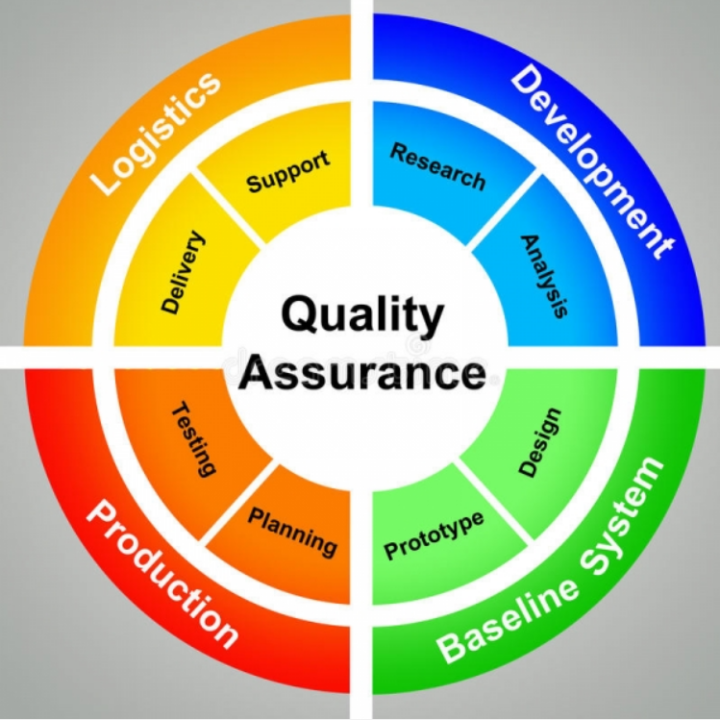
Codes and standards are documented rules that define minimum requirements for design, materials, construction methods, testing, and safety. They are developed based on research, past failures, and best practices.
For civil engineers, codes act as a safety framework. They protect public life, guide engineering decisions, and safeguard engineers from legal and professional risks. Ignoring codes or misinterpreting them can lead to structural failures, project delays, penalties, and loss of professional credibility.
WHY KNOWLEDGE OF CODES IS CRITICAL FOR CIVIL ENGINEERS
Codes are not only design documents. They are also tools for communication and control. When engineers refer to codes, they speak a common technical language understood by consultants, contractors, and authorities.
Knowledge of codes helps engineers ensure quality execution, resolve site disputes, justify technical decisions, and maintain compliance. Engineers who understand codes gain confidence and command respect on site and during meetings.
INDIAN STANDARD CODES EVERY CIVIL ENGINEER SHOULD KNOW!
In India, the Bureau of Indian Standards publishes Indian Standard codes that govern civil engineering practice. While it is not practical for engineers to memorize every code, familiarity with major codes is essential.
Civil engineers should understand codes related to concrete design and construction, structural steel, foundations, loads, and material testing. These codes define grades of materials, permissible stresses, safety factors, and construction tolerances.
Even site engineers who do not perform design work must understand code based requirements for curing, reinforcement detailing, testing frequency, and acceptance criteria.
CODES RELATED TO MATERIAL TESTING AND QUALITY CONTROL
Material quality is a critical aspect of construction. Codes define testing methods, acceptance limits, and sampling procedures for materials such as cement, aggregates, concrete, steel, and bricks.
Civil engineers must be aware of standard testing practices and ensure they are followed correctly. Quality control engineers rely heavily on these standards, but site engineers must also understand them to prevent use of substandard materials.
Quality related codes help engineers justify rejection of poor materials and maintain construction integrity.
SAFETY CODES AND GUIDELINES ON CONSTRUCTION SITES
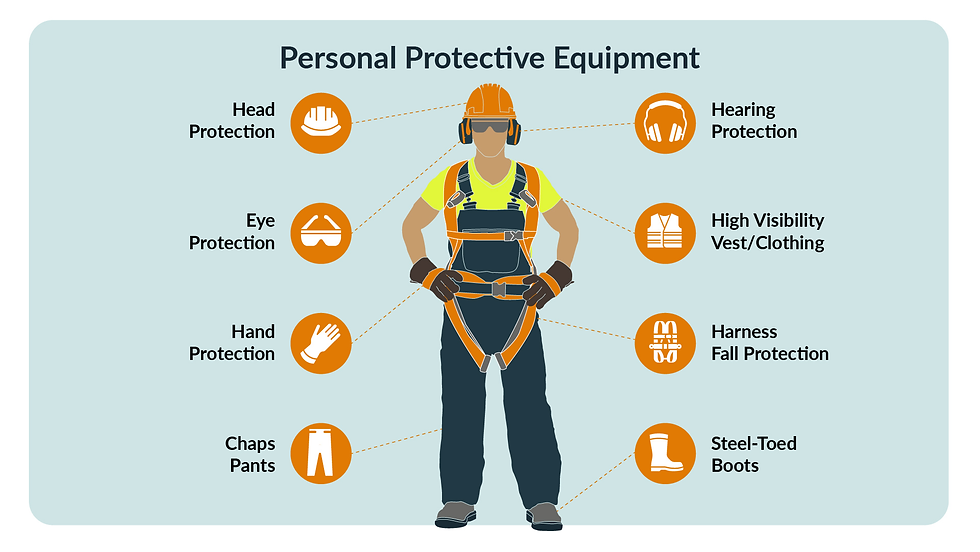
Safety guidelines are as important as structural codes. Construction sites involve risks related to height, machinery, excavation, and electrical systems. Safety standards exist to minimize these risks.
Civil engineers must understand guidelines related to personal protective equipment, scaffolding safety, excavation practices, and equipment operation. Safety codes protect workers and also protect engineers from liability.
A safety conscious engineer is viewed as a responsible professional rather than a strict supervisor.
BUILDING BYELAWS AND LOCAL AUTHORITY GUIDELINES
Apart from national codes, civil engineers must follow local building byelaws and authority guidelines. These rules govern aspects such as building height, setbacks, fire safety, parking, and occupancy.
Ignorance of local regulations can lead to approval issues, demolition notices, or project delays. Engineers must coordinate with architects and consultants to ensure compliance.
Understanding local regulations is especially important for engineers working in urban development and real estate projects.
INTERNATIONAL STANDARDS AND GLOBAL AWARENESS
With globalization, many Indian engineers work on international projects or with foreign clients. While Indian codes remain the base, awareness of international standards improves adaptability.
International standards focus heavily on documentation, safety culture, and quality management systems. Engineers with exposure to global standards are often preferred for overseas projects and multinational companies.
Basic awareness helps engineers understand expectations beyond local practice.
COMMON MISTAKES ENGINEERS MAKE WITH CODES
Many engineers treat codes as reference documents to be checked only when problems arise. Others rely completely on seniors without understanding the reasoning behind requirements.
Some engineers apply codes blindly without considering site conditions, while others ignore codes to save time or cost. Both approaches are risky.
Codes should guide judgment, not replace it.
HOW STUDENTS AND FRESHERS SHOULD APPROACH CODES
Students and freshers should not attempt to memorize codes. Instead, they should focus on understanding why codes exist and how they are applied.
During site training, observing how codes influence testing, curing, reinforcement, and inspections builds practical understanding. Reading selected sections of important codes gradually builds confidence.
Early exposure makes codes less intimidating and more useful.
HOW WORKING ENGINEERS SHOULD USE CODES EFFECTIVELY
Working engineers should use codes as tools to support decisions. Referring to codes during discussions adds technical strength and professionalism.
Engineers should stay updated with revisions and amendments. Continuous learning ensures compliance with current practices.
Engineers who understand codes are less dependent on others and more confident in handling responsibility.
ROLE OF CODES IN INTERVIEWS AND CAREER GROWTH
Interviewers often test basic awareness of codes to assess professionalism. Questions may relate to concrete grades, curing requirements, or safety guidelines.
Engineers who show practical understanding of codes stand out as disciplined and reliable professionals.
Long term career growth also depends on compliance knowledge, especially in leadership roles.
CONCLUSION
Codes, standards, and guidelines form the backbone of civil engineering practice. They ensure safety, quality, and consistency across projects and protect both the public and engineers.
Civil engineers who understand and respect codes perform better on site, communicate more effectively, and grow into responsible professionals. In an industry where mistakes can have serious consequences, codes provide direction and protection.
In civil engineering, strong structures are built on strong foundations, and strong careers are built on respect for standards.


Comments