
Mistakes Freshers Make While Working Under Senior Engineers (And How to Avoid Them)
- Anjali Regmi
- Feb 14
- 4 min read

Introduction
The transition from college to a professional construction site is one of the most critical phases in a civil engineer’s career. Freshers often work directly under senior engineers who expect discipline, technical awareness, and learning attitude from day one. However, many fresh civil engineers unknowingly make mistakes that slow their growth, reduce trust, and limit their exposure to real responsibilities. These mistakes are rarely about lack of intelligence they are usually related to behavior, communication, and practical understanding. Recognizing and correcting these early can significantly accelerate a fresher’s technical development.

Mistake 1: Not Observing Before Asking Questions
One of the most common mistakes freshers make is asking questions without first observing the activity. Senior engineers often expect juniors to watch the process, understand the sequence, and then ask meaningful questions. Repeatedly asking basic questions without observation signals a lack of seriousness.
Instead, freshers should observe reinforcement work, inspections, and layout processes carefully before seeking clarification. This shows initiative and analytical thinking.
Mistake 2: Depending Completely on Instructions
Many freshers wait for step-by-step instructions for every task. While guidance is important, excessive dependence slows work and frustrates senior engineers. Construction sites operate in fast-paced environments where juniors are expected to take small independent actions like checking levels, verifying drawings, or monitoring work progress.
A proactive fresher who takes initiative gains trust much faster than one who waits passively.
Mistake 3: Weak Drawing Reading Skills
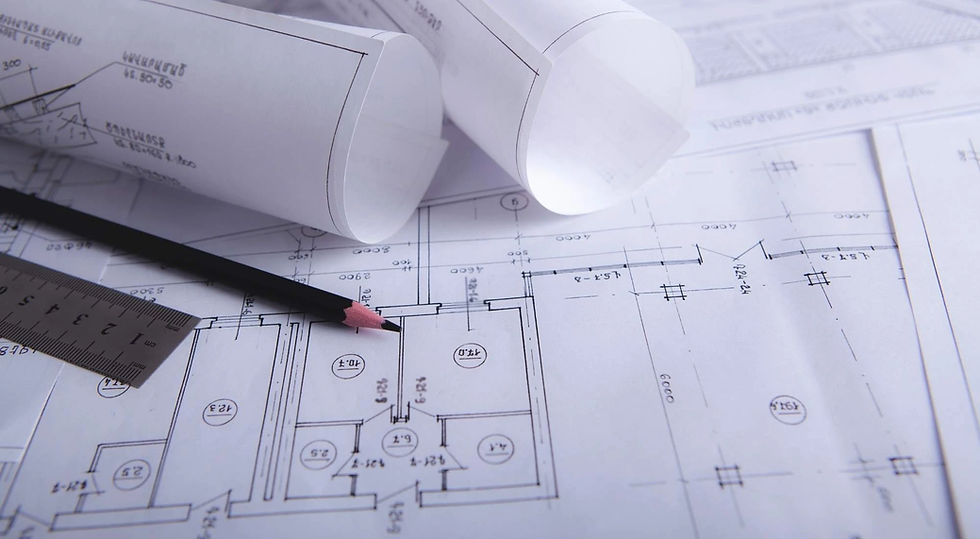
Senior engineers frequently refer to drawings during discussions. Freshers who cannot interpret plans, sections, and reinforcement details struggle to follow technical conversations. This leads to repeated explanations and delays in learning.
Understanding drawings allows freshers to contribute meaningfully instead of just observing silently.

Mistake 4: Focusing Only on Labor Work Instead of Engineering Logic
Freshers often get distracted by visible activities like concreting, brickwork, or excavation but ignore the engineering logic behind them. Senior engineers expect juniors to understand why certain checks are done, why sequencing matters, and why corrections are necessary.
Learning the reasoning behind decisions is more valuable than just watching physical work.
Mistake 5: Poor Communication With Senior Engineers
Some freshers hesitate to communicate due to fear of making mistakes, while others communicate too casually. Both extremes create problems. Senior engineers expect clear, concise, and respectful communication.
Reporting issues accurately, asking relevant questions, and updating work progress professionally builds credibility and trust.
Mistake 6: Ignoring Site Documentation and Reports
Freshers usually focus on field activities and ignore documentation such as daily reports, checklists, inspection records, and measurement books. However, documentation is a core part of engineering responsibility. Senior engineers rely on accurate records for decision-making, billing, and audits.
Understanding documentation processes makes freshers more reliable and technically mature.
Mistake 7: Overconfidence Due to Academic Performance
High academic scores sometimes create overconfidence among freshers. They may assume theoretical knowledge is sufficient for site work. This mindset leads to resistance to learning practical methods and corrections from seniors.
Experienced engineers value humility and willingness to learn more than academic rank.
Mistake 8: Lack of Attention to Safety Practices
Senior engineers prioritize safety at all times. Freshers who ignore PPE, enter restricted zones, or behave casually on site create serious risks. Such behavior reflects poor professionalism and can reduce opportunities for responsibility.
Safety awareness is considered a fundamental technical discipline, not just a rule.
Mistake 9: Not Taking Notes or Recording Learning
Many freshers rely on memory instead of maintaining a technical notebook. As a result, they forget key observations, site corrections, and technical explanations given by seniors. This slows long-term learning.
Noting reinforcement details, site challenges, and solutions helps in faster skill development.
Mistake 10: Fear of Making Technical Mistakes
Freshers often avoid responsibilities because they fear making errors. However, senior engineers expect controlled learning mistakes as part of training. Avoiding tasks reduces exposure and learning speed.
Taking responsibility under supervision helps build confidence and technical competence.
How Freshers Can Build Strong Working Relationships With Seniors
To learn effectively under senior engineers, freshers should:
Observe actively before asking questions
Communicate clearly and respectfully
Show punctuality and discipline
Demonstrate curiosity and willingness to learn
Accept feedback without defensiveness
Senior engineers are more likely to mentor freshers who show sincerity and professionalism.
Long-Term Impact of Early Mistakes
Mistakes made in the first year of a civil engineering career shape professional reputation. A disciplined and proactive fresher is quickly trusted with bigger responsibilities such as inspections, reporting, and coordination. On the other hand, careless behavior limits growth and technical exposure.
Early correction of mistakes leads to faster career advancement and stronger technical confidence.
Conclusion
Working under senior engineers is one of the most valuable learning phases for a civil engineering fresher. However, common mistakes such as passive behavior, weak drawing skills, poor communication, and overconfidence can slow professional growth. By observing actively, communicating effectively, maintaining humility, and focusing on engineering logic, freshers can transform this phase into a powerful technical training period. In civil engineering, learning from seniors is not automatic—it depends on attitude, discipline, and willingness to improve every day on site.


Comments