
MEP–Civil Coordination Failures: How Service Clashes Destroy Structural Quality on Construction Sites
- Anjali Regmi
- Mar 3
- 3 min read

In modern construction projects, civil engineering does not operate in isolation. Structural work must integrate seamlessly with MEP (Mechanical, Electrical, and Plumbing) systems. However, one of the most frequent and costly problems on construction sites is poor coordination between civil and MEP teams. When service layouts are not aligned with structural drawings, the result is beam cutting, slab core drilling, wall demolition, and major rework.
Unlike visible design errors, coordination failures occur silently during execution and often surface only after concrete has hardened. At that stage, corrections compromise structural integrity, increase project costs, and delay completion schedules.
Why MEP–Civil Coordination is Critical in Modern Construction
In today’s buildings, services such as HVAC ducts, plumbing pipelines, electrical conduits, fire-fighting lines, and drainage systems occupy significant space within slabs, beams, and walls. Structural design must accommodate these services without compromising load-bearing capacity.
If coordination is missing:
Structural elements are modified after concreting
Beams are cut to pass ducts
Slabs are drilled for services
Walls are broken for piping
Common Coordination Failures on Construction Sites
1. Beam and Duct Clashes
HVAC ducts often require large clear openings. If structural beams obstruct duct paths, contractors may cut portions of beams, severely weakening structural performance.
2. Slab Core Cutting After Concreting
When plumbing or electrical conduits are not planned before slab casting, core cutting is done later. This reduces slab strength and increases cracking risk.
3. Misaligned Service Openings
Incorrectly positioned sleeves and openings result in rework and dimensional corrections.
Real Causes Behind MEP–Civil Conflicts
Lack of coordinated drawing review before execution
Delayed MEP design approvals
Poor communication between structural and MEP consultants
Absence of clash detection process
Rushed execution without joint inspections
Structural Consequences of Service Clashes
Reduced load-bearing capacity
Increased stress concentration around openings
Cracking in beams and slabs
Long-term durability issues
Need for structural strengthening or retrofitting
Unplanned structural modifications can compromise the building’s safety and lifespan.
Impact on Cost and Project Timeline
Coordination failures lead to:
Demolition and reconstruction
Additional steel reinforcement
Delayed finishing works
Increased labor and equipment costs
Client dissatisfaction
Even small coordination errors can snowball into major financial losses.
Role of Site Engineers in Preventing Coordination Failures
Site engineers must act as coordination bridges between civil and MEP teams. Responsibilities include:
Reviewing architectural, structural, and MEP drawings together
Conducting joint pre-concreting inspections
Verifying service sleeve placements
Ensuring no structural modification without consultant approval

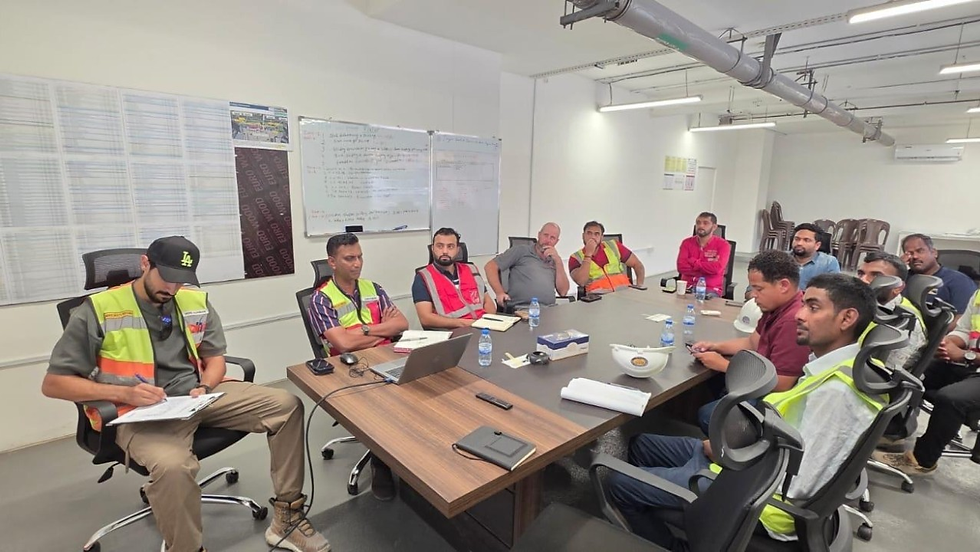
Importance of Pre-Construction Coordination Meetings
Before execution begins, technical meetings must be conducted to align:
Beam and duct routing
Pipe slopes and structural clearances
Electrical conduit paths
Fire-fighting system layouts
Early coordination prevents expensive on-site corrections.
BIM and Clash Detection Technology
Modern projects use Building Information Modeling (BIM) to detect clashes between structural and MEP systems before construction. 3D modeling allows engineers to visualize conflicts and adjust designs proactively.
However, even with BIM, on-site supervision remains essential to ensure execution matches approved coordinated models.
Best Practices to Avoid MEP–Civil Conflicts
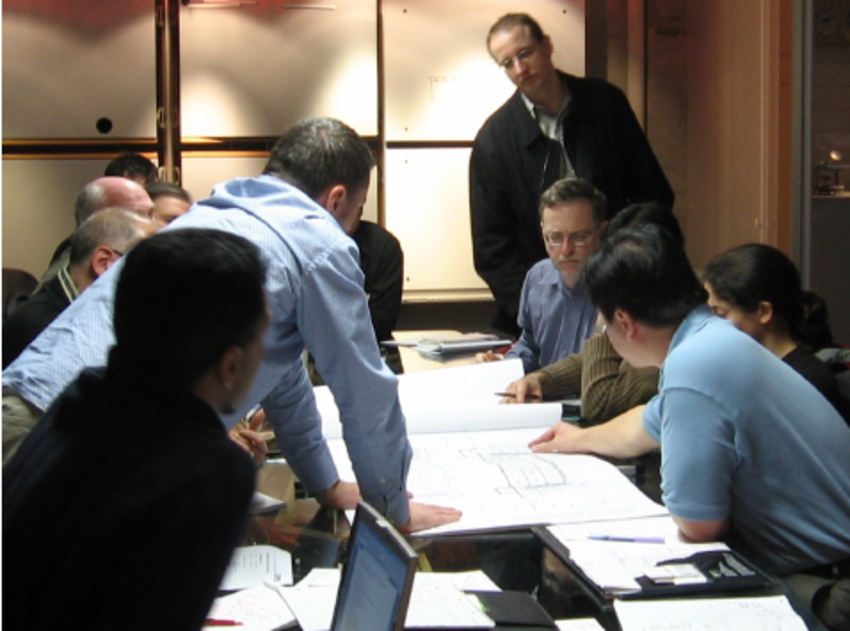
Conduct integrated drawing review sessions
Use coordinated drawings instead of separate discipline drawings
Plan service openings before concreting
Avoid cutting structural members without approval
Document all design changes formally
Implement stage-wise inspection approvals
Long-Term Risks of Poor Coordination
Buildings with unplanned structural modifications often face:
Leakage issues
Cracks around openings
Reduced structural lifespan
Expensive maintenance and repair costs
Coordination failures compromise both safety and sustainability.
Conclusion: Coordination is as Important as Structural Design
MEP–civil coordination failures are among the most expensive and preventable problems in modern construction projects. Most structural weakening due to beam cutting and slab core drilling occurs because of poor communication and lack of integrated planning.
Civil engineers who prioritize drawing coordination, conduct joint inspections, and implement structured review systems significantly reduce structural risks and rework. In real construction environments, technical excellence is not only about design accuracy but also about multidisciplinary coordination that ensures smooth, safe, and efficient project execution.


Comments