
Mechanical and Equipment Knowledge Civil Engineers Need on Construction Sites
- Anjali Regmi
- Feb 14
- 4 min read

Introduction
When civil engineering students imagine construction sites, they often focus on concrete, reinforcement, and drawings—but overlook one critical aspect: construction machinery and equipment. In reality, modern construction is heavily dependent on mechanical equipment such as cranes, batching plants, vibrators, pumps, excavators, and compactors. A civil engineer who lacks basic equipment knowledge struggles to control productivity, safety, and quality on site. Understanding machinery is not the job of mechanical engineers alone; it is an essential technical skill for civil engineers, especially those working in execution and site roles.

Why Equipment Knowledge Is Important for Civil Engineers
Construction equipment directly affects project speed, cost, and safety. Civil engineers are responsible for planning, supervising, and coordinating site operations. Without understanding how machinery works, engineers cannot estimate productivity, schedule activities, or detect operational inefficiencies.
For example, if a concrete pump fails during slab casting, the engineer must quickly decide whether to delay, switch equipment, or modify the pouring sequence. Such decisions require basic mechanical awareness, not just theoretical knowledge.
Earthmoving Equipment and Site Development
One of the first stages of any construction project involves earthwork. Equipment such as excavators, bulldozers, loaders, and dumpers are used for excavation, leveling, and soil transportation. Civil engineers must understand machine capacity, digging depth, and cycle time to plan excavation schedules efficiently.
Incorrect equipment selection can slow progress and increase operational costs. For instance, using a small excavator for large-scale excavation leads to delays, while oversized machinery may cause site congestion and unnecessary expenses.
Concrete Equipment and Their Role in Quality Control
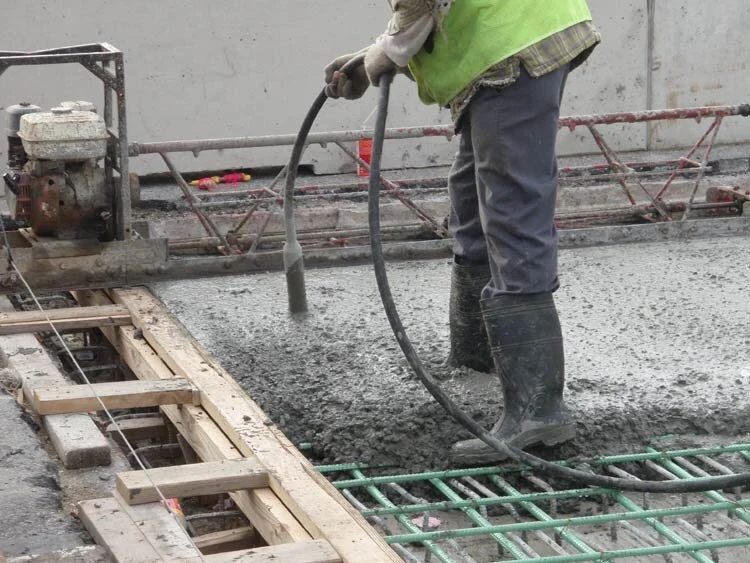
Concrete-related machinery plays a crucial role in structural work. Batching plants ensure proper mix proportions, transit mixers transport concrete, pumps deliver concrete to height, and vibrators ensure compaction. Engineers must understand how each equipment component contributes to concrete quality.
Improper vibration leads to honeycombing, while delayed pumping affects workability and strength. A civil engineer who understands these mechanical processes can prevent quality defects before they occur.
Lifting Equipment and Structural Safety
Cranes, hoists, and lifting systems are used to move heavy materials such as reinforcement cages, formwork, and precast elements. Civil engineers must understand load capacity, lifting radius, and safety precautions associated with lifting equipment.
Poor coordination during lifting operations can cause accidents, material damage, or structural instability. Engineers with equipment awareness ensure safe and efficient lifting planning.
Compaction and Soil Equipment in Foundation Work
Compaction equipment such as rollers, plate compactors, and rammers are essential for soil stabilization and subgrade preparation. Proper compaction improves load-bearing capacity and prevents settlement issues. Engineers must understand compaction layers, moisture control, and equipment selection based on soil type.
Ignoring compaction equipment efficiency often results in foundation problems and pavement failures.

Equipment Productivity and Project Planning
Construction planning depends heavily on equipment productivity rates. Engineers calculate output per hour for excavators, batching plants, and cranes to prepare realistic schedules. If machinery productivity is misjudged, project timelines become inaccurate.
Understanding equipment cycle time and operational efficiency helps engineers manage resources effectively and avoid delays.
Safety Implications of Equipment Operations
Heavy machinery poses significant safety risks if not properly managed. Civil engineers must know safe operating zones, equipment movement paths, and hazard identification. Standing near operating cranes, pumps, or excavators without awareness can lead to serious accidents.
Equipment knowledge enhances site safety supervision and reduces workplace incidents.
Maintenance Awareness and Breakdown Management
Construction equipment is subject to wear and breakdown. Engineers must recognize early signs of equipment malfunction such as abnormal noise, vibration, or reduced output. Quick reporting and coordination with maintenance teams prevent work stoppages.
A civil engineer who understands equipment limitations can plan alternative work sequences during breakdowns.
Coordination Between Civil and Mechanical Teams
Large projects involve coordination between civil engineers, mechanical operators, and equipment technicians. Engineers who understand equipment terminology communicate more effectively with machine operators. This improves workflow and reduces misunderstandings during critical operations like concreting or lifting.
Technical communication becomes smoother when engineers speak the operational language of machinery.
Why Fresh Civil Engineers Often Lack Equipment Knowledge
Most academic curricula focus on structural and theoretical subjects, with limited exposure to construction machinery. Internships may also restrict students to observation without explaining equipment functionality. As a result, freshers enter sites with strong theoretical knowledge but weak practical equipment awareness.
This gap reduces their confidence during real-time site decision-making.
How Students and Freshers Can Improve Equipment Knowledge
Students should observe machinery operations during internships, learn basic specifications, and understand operational workflows. Watching equipment setup, operation, and shutdown processes builds practical insight. Even simple discussions with equipment operators can enhance learning significantly.
Understanding manuals, productivity charts, and safety guidelines further strengthens technical competence.
Conclusion
Mechanical and equipment knowledge is a critical yet often overlooked skill in civil engineering practice. From excavation and concreting to lifting and compaction, machinery drives modern construction efficiency. Civil engineers who understand equipment operations make better decisions, improve productivity, and enhance safety on site. For students and freshers, developing equipment awareness alongside core technical knowledge is essential to becoming a competent and industry-ready civil engineer.


Comments