
Material Testing Every Civil Engineer Must Understand on Site
- Anjali Regmi
- Mar 12
- 3 min read

In civil engineering projects, the strength, durability, and safety of a structure depend heavily on the quality of materials used during construction. Materials such as concrete, steel, soil, and aggregates must meet specific engineering standards before being used in structural work. This is why material testing is a critical process in construction quality control.
Material testing ensures that the materials used on-site meet the required specifications and perform as expected under structural loads and environmental conditions. Without proper testing, structures may develop defects, cracks, or even structural failure over time. Civil engineers working on construction sites must understand the importance of material testing and be familiar with the common tests conducted during construction.
Importance of Material Testing in Construction
Construction materials must satisfy strict engineering requirements to ensure that buildings and infrastructure are safe and durable. Material testing helps verify the quality, strength, and reliability of these materials.
Material testing helps engineers to:
Ensure compliance with engineering standards
Detect defective materials before use
Maintain structural safety and durability
Monitor quality throughout the construction process

Regular testing ensures that the construction project meets design requirements and safety standards.
Concrete Slump Test
The slump test is one of the most common field tests used to measure the workability of fresh concrete. Workability refers to how easily concrete can be mixed, transported, placed, and compacted without segregation.
During the slump test, fresh concrete is placed into a cone-shaped mold called a slump cone. The mold is then lifted, and the amount by which the concrete settles or “slumps” is measured.
The slump value indicates whether the concrete mixture has the correct consistency for the construction activity.
Concrete Cube Compressive Strength Test
The compressive strength test is one of the most important tests conducted on concrete. It determines the ability of concrete to withstand compressive loads.
During construction, concrete cubes are prepared from fresh concrete and cured for specific periods such as 7 days and 28 days. These cubes are then tested using a compression testing machine.
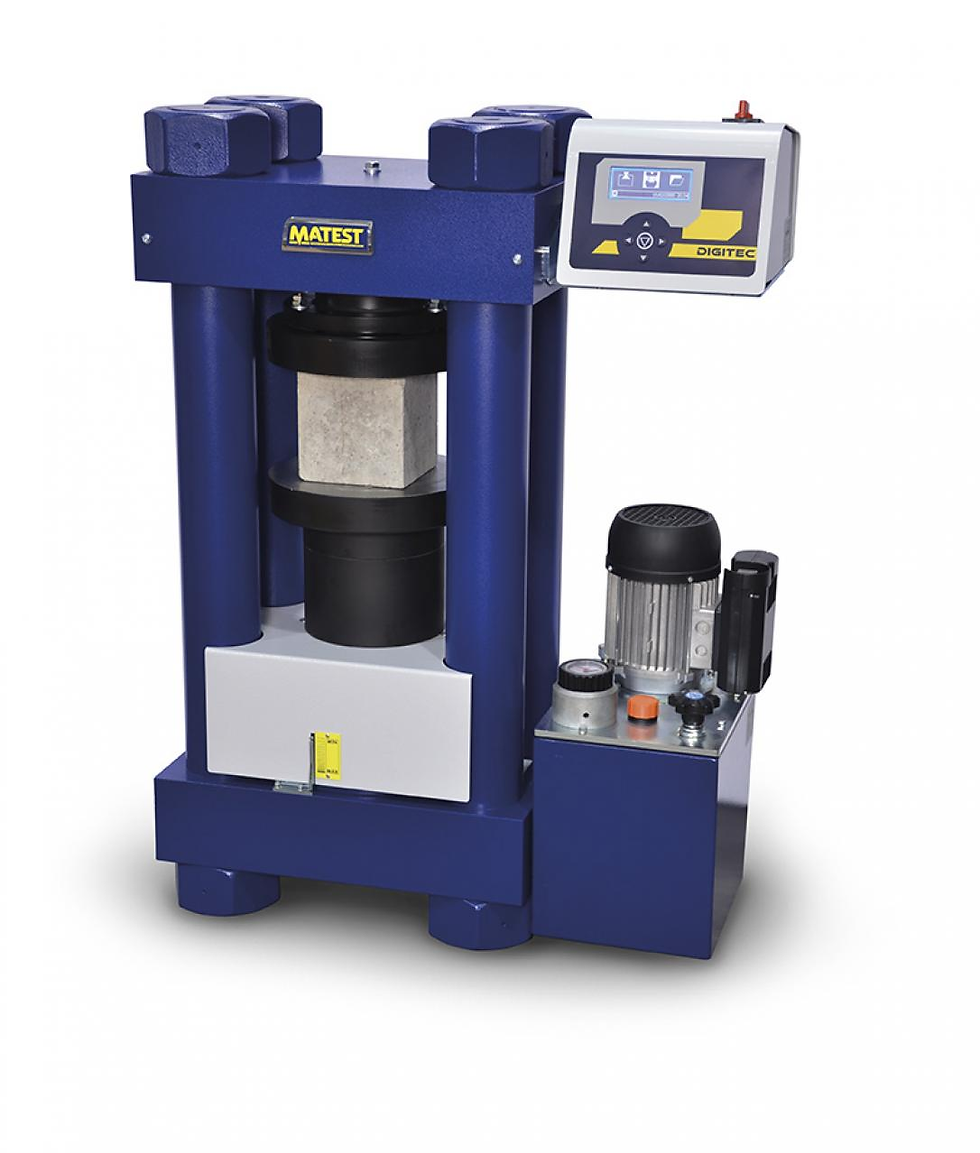
The results indicate whether the concrete has achieved the required strength specified in the design.
Steel Tensile Strength Test
Steel reinforcement bars play a crucial role in resisting tensile forces in reinforced concrete structures. To ensure the quality of reinforcement steel, tensile strength tests are conducted in laboratories.
This test measures:
Yield strength of steel
Ultimate tensile strength
Elongation capacity

These properties ensure that reinforcement steel can safely handle the loads applied to the structure.
Soil Compaction Test
Soil properties play a vital role in foundation stability. Before constructing foundations, engineers must verify the compaction level of soil to ensure it can support structural loads.
The Proctor compaction test and field density tests are commonly used to determine soil compaction.
These tests help engineers evaluate:
Soil density
Moisture content
Bearing capacity of soil

Proper soil compaction reduces the risk of settlement and foundation failure.
Aggregate Testing
Aggregates such as sand and gravel form a major portion of concrete. Their quality significantly affects the strength and durability of concrete.
Common aggregate tests include:
Sieve analysis for particle size distribution
Impact value test for toughness
Crushing value test for strength
These tests ensure that aggregates meet engineering specifications for construction use.
Brick and Masonry Material Testing
Bricks used in masonry construction must possess adequate compressive strength and low water absorption. Brick testing helps verify these properties.
Common brick tests include:
Compressive strength test
Water absorption test
Efflorescence test
These tests ensure that masonry materials provide durable and stable walls.
Role of Civil Engineers in Material Testing
Civil engineers on construction sites must monitor material testing activities to ensure that materials meet required standards.
Their responsibilities include:
Verifying test results before material usage
Coordinating with testing laboratories
Recording quality control data
Ensuring that defective materials are rejected
Quality control plays a crucial role in preventing structural failures.
Importance of Quality Control Documentation
All material testing results must be properly documented. These records serve as evidence that construction materials meet engineering standards.
Documentation includes:
Test reports
Material inspection records
Quality control checklists
Maintaining these records ensures accountability and compliance with project specifications.
Consequences of Ignoring Material Testing
If material testing is neglected during construction, serious structural problems may arise.
Possible consequences include:
Weak concrete structures
Reinforcement failures
Foundation settlement
Reduced structural lifespan
Preventing these issues requires strict quality control procedures.
Conclusion
Material testing is a fundamental aspect of construction quality control. Tests such as slump tests, concrete cube strength tests, steel tensile tests, and soil compaction tests help engineers verify that materials meet required engineering standards.
Civil engineers working on construction sites must understand these testing procedures and ensure that they are conducted regularly. By maintaining strict quality control and proper documentation, engineers can ensure that construction projects remain safe, durable, and structurally reliable.
In civil engineering practice, strong structures begin with high-quality materials and rigorous testing procedures.


Comments