
Leadership Skills Civil Engineers Need Beyond Technical Knowledge
- Anjali Regmi
- Jan 24
- 4 min read

Civil engineering has traditionally been seen as a technical profession focused on design, execution, and supervision. While technical knowledge remains essential, it is no longer enough to build a successful long term career. In today’s construction and infrastructure environment, civil engineers are expected to lead people, manage pressure, communicate clearly, and take responsibility for outcomes.
Many engineers struggle in their careers not because they lack technical ability, but because they lack leadership skills. Leadership in civil engineering is not about authority or designation. It is about responsibility, decision making, and trust. This blog explains the most important leadership skills civil engineers must develop beyond technical knowledge, with relevance to both Indian and international construction environments.
Why Leadership Matters in Civil Engineering

Construction projects involve multiple teams, tight deadlines, safety risks, and financial pressure. A civil engineer is often the link between management, contractors, supervisors, and workers. In such an environment, leadership skills directly impact project success.
Leadership matters because civil engineers must guide teams, resolve conflicts, take decisions under uncertainty, and maintain discipline on site. Engineers who rely only on technical instructions often fail to command respect or manage real world challenges effectively.
Leadership Is Not a Designation in Civil Engineering
One common misconception among young engineers is that leadership comes automatically with seniority or job titles. In reality, leadership begins from the first day on site.
A site engineer who communicates clearly, takes responsibility for mistakes, and ensures safety already displays leadership. On the other hand, a project manager who avoids accountability lacks leadership despite the designation.
Leadership in civil engineering is demonstrated through actions, not authority.
Core Leadership Skills Civil Engineers Must Develop
Communication skillsClear communication is the foundation of leadership. Civil engineers must communicate with supervisors, labor teams, consultants, clients, and authorities. Instructions must be clear, timely, and unambiguous.
Poor communication leads to errors, delays, rework, and conflicts. Engineers who communicate calmly and clearly earn trust and cooperation from teams.
Decision making under pressure Construction sites operate under constant pressure related to time, cost, and safety. Leaders must make decisions even when complete information is not available.
Good leaders assess risks, consult where necessary, and take responsibility for decisions. Avoiding decisions or delaying them often causes bigger problems later.
Accountability and ownershipLeadership means owning outcomes, both positive and negative. Civil engineers must take responsibility for the work they supervise.
Blaming labor, weather, or circumstances without taking ownership weakens credibility. Leaders accept responsibility and focus on solutions.
Problem solving ability Construction projects face unexpected challenges daily. Site constraints, material issues, design conflicts, and coordination problems are common.
Leadership requires the ability to analyze problems logically, identify practical solutions, and implement them effectively without panic.
People Management Skills on Construction Sites

Civil engineers work with people from diverse backgrounds, skill levels, and cultures. Managing people is one of the most difficult aspects of the profession.
Effective leaders understand that:
Workers need clear instructions and respect
Supervisors need guidance and trust
Contractors need coordination, not confrontation
Leadership involves motivating teams, resolving disputes, and maintaining discipline without aggression.
Engineers who treat people fairly and professionally gain long term loyalty and cooperation.
Ethical Leadership and Professional Integrity
Ethics is a critical leadership trait in civil engineering. Engineers handle public safety, large budgets, and long lasting infrastructure. Ethical lapses can lead to accidents, failures, and legal consequences.
Leadership requires:
Honest reporting of progress and quality
Refusal to accept unsafe practices
Fair treatment of contractors and workers
Commitment to public safety over shortcuts
Engineers with strong ethics earn respect and long term career stability, even if they face short term pressure.
Leadership Through Quality and Safety Commitment
Quality and safety are not just technical requirements. They are leadership responsibilities.
A leader ensures that quality checks are followed consistently and safety rules are enforced without exception. Ignoring safety to save time damages trust and can lead to irreversible consequences.
Engineers who prioritize safety and quality demonstrate maturity and leadership readiness.
Transition from Engineer to Leader
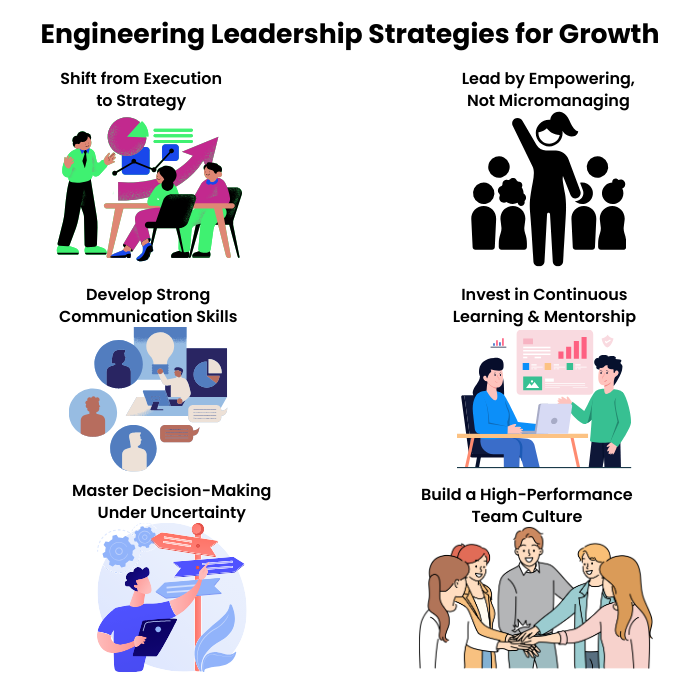
Leadership development is gradual. Most civil engineers follow a progression path.
Early stage engineers focus on execution and learning.Mid level engineers handle coordination and partial responsibility.Senior engineers manage teams, budgets, and decisions.
Engineers who consciously develop leadership skills at each stage grow faster than those who focus only on technical tasks.
Common Leadership Mistakes Civil Engineers Make
Many capable engineers struggle to grow due to avoidable mistakes.
Avoiding responsibilityPoor communication with teamsIgnoring documentation and planningReacting emotionally under pressureFocusing only on salary instead of growth
Leadership requires patience, discipline, and long term thinking.
Indian and Global Perspective on Leadership Skills
In India, leadership is often tested in challenging site conditions, limited resources, and tight deadlines. Adaptability and execution leadership are highly valued.
In international projects, leadership focuses more on planning, documentation, compliance, and structured communication. However, the core leadership principles remain the same.
Engineers who combine Indian site experience with global leadership awareness have strong career flexibility.
How Students and Freshers Can Start Building Leadership Skills
Leadership development can begin early.
Students and freshers should:
Take responsibility during site training
Observe how seniors handle decisions
Communicate clearly and respectfully
Maintain discipline and punctuality
Accept feedback positively
Leadership habits built early shape long term careers.
Conclusion
Leadership in civil engineering goes far beyond technical knowledge. It involves communication, responsibility, ethics, decision making, and people management. As construction projects grow in scale and complexity, leadership skills have become essential for career growth.
Civil engineers who invest in leadership development alongside technical expertise become trusted professionals, capable managers, and future industry leaders.
In civil engineering, technical knowledge builds structures, but leadership builds successful careers.


Comments