
Inspection Hold Points and Witness Points in Construction Engineering
- Anjali Regmi
- Feb 18
- 4 min read

Introduction
In professional construction projects, quality control is not left to random inspections or final checks alone. Instead, structured inspection mechanisms such as Hold Points and Witness Points are implemented to ensure that critical construction activities meet technical specifications before proceeding to the next stage. These inspection checkpoints are integral to modern construction quality management systems and are widely used in infrastructure, high-rise, and industrial projects. For civil engineers, understanding hold points and witness points is essential for maintaining engineering discipline, compliance, and structural reliability during project execution.
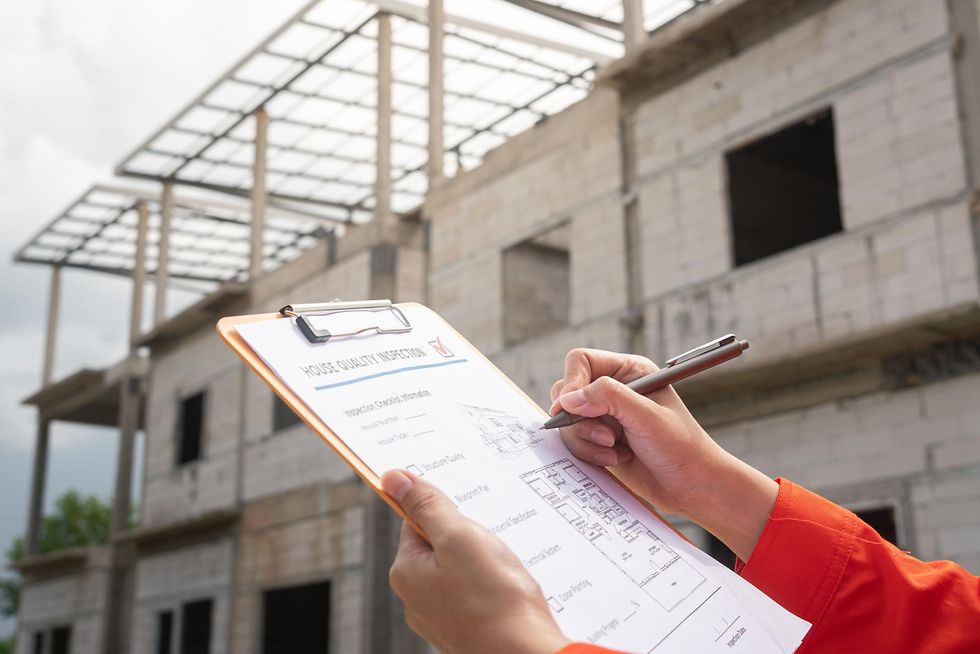
Understanding Hold Points in Construction Engineering
A Hold Point is a mandatory inspection stage where construction work must stop until formal approval is granted by the consultant, client, or quality engineer. No further work can proceed beyond this stage without inspection clearance. Hold points are typically applied to critical structural activities where errors would be difficult or impossible to rectify later.
For example, reinforcement inspection before concreting is a common hold point because once concrete is poured, the reinforcement becomes inaccessible for correction.
Understanding Witness Points in Construction Projects
A Witness Point is a predefined inspection stage where the consultant or quality authority is invited to observe the work, but construction may proceed if they choose not to attend within the specified timeframe. Unlike hold points, witness points do not necessarily stop the work unless critical non-conformances are identified during inspection.
Witness points ensure transparency, technical verification, and documentation of key construction processes without causing unnecessary project delays.
Key Differences Between Hold Points and Witness Points
The primary difference lies in execution control and approval requirements. Hold points require mandatory approval before continuation, while witness points allow conditional continuation if no objections are raised. Hold points are applied to high-risk activities, whereas witness points are used for monitoring important but less critical processes.
Understanding this distinction helps engineers maintain structured inspection workflows and regulatory compliance.
Critical Construction Activities Requiring Hold Points
Hold points are usually defined for technically sensitive activities such as:
Foundation layout and excavation approval
Reinforcement inspection before concreting
Formwork alignment and stability verification
Structural element casting approvals
Waterproofing and concealed works inspection
These stages are irreversible once executed, making strict inspection essential for quality assurance.
Role of Site Engineers in Managing Inspection Points
Site engineers are responsible for identifying, scheduling, and coordinating hold points and witness points as per the project quality plan. They must ensure that inspection requests are raised in advance, documentation is prepared, and work is ready for verification.
Effective management of inspection points reflects strong technical supervision and professional project control.
Integration With Quality Assurance and Quality Control Systems
Hold points and witness points form a core part of QA/QC frameworks in construction projects. They ensure systematic verification of work quality at predefined stages rather than relying solely on final inspections. This proactive approach minimizes defects, rework, and structural non-conformances.
Quality engineers use inspection checklists, reports, and approvals to document compliance at each inspection stage.

Documentation and Approval Workflow
The inspection process for hold and witness points typically involves formal inspection requests, site verification, documentation of observations, and approval or corrective instructions. Inspection records, photographs, and signed reports are maintained as technical evidence for audits and project reviews.
Proper documentation enhances traceability, accountability, and engineering transparency.
Impact on Construction Quality and Risk Management
Implementing structured inspection points significantly reduces technical risks and construction defects. Errors such as incorrect reinforcement placement, misalignment, or material non-compliance can be detected and corrected before irreversible work stages.
This systematic inspection strategy strengthens structural reliability and long-term project performance.
Coordination Between Contractors, Consultants, and Clients
Hold points and witness points require coordinated involvement of multiple stakeholders, including contractors, consultants, and client representatives. Clear communication and timely scheduling ensure that inspections do not delay project progress while maintaining quality compliance.
Professional coordination enhances technical clarity and prevents execution disputes.

Common Challenges in Implementing Inspection Points
Practical challenges include delayed inspection approvals, inadequate preparation before inspections, and pressure to bypass hold points to maintain project schedules. Ignoring inspection protocols can lead to serious quality failures and contractual disputes.
Engineers must balance project timelines with strict adherence to inspection requirements.
Engineering Consequences of Skipping Hold Points
Skipping mandatory hold points can result in hidden structural defects, non-compliance with specifications, and costly rework. In extreme cases, it may compromise structural safety and lead to rejection of completed work during audits or third-party inspections.
Professional engineering practice strictly prohibits bypassing hold points without formal approval.
Long-Term Value in Professional Construction Projects
Projects that implement well-defined hold and witness point systems demonstrate higher quality standards, better documentation, and reduced defect rates. These inspection mechanisms also support regulatory compliance, contractual transparency, and structured project governance.
They are especially critical in infrastructure, high-rise, and technically complex construction projects.
Conclusion
Inspection hold points and witness points are essential quality control mechanisms that ensure critical construction activities are verified, documented, and approved before progressing to irreversible stages. By integrating structured inspection checkpoints into project execution, civil engineers can detect deviations early, maintain compliance with design specifications, and enhance structural reliability. In professional construction environments, disciplined management of hold and witness points reflects strong engineering governance, technical accountability, and commitment to delivering high-quality, defect-free structures.


Comments