
Improper Tile Installation: How Flooring Errors Lead to Cracks, Hollow Tiles & Costly Rework
- Anjali Regmi
- Mar 9
- 3 min read

Tile installation is one of the most common finishing activities in residential, commercial, and industrial construction projects. Tiles are used for flooring, walls, bathrooms, kitchens, and exterior surfaces because they provide durability, aesthetics, and easy maintenance. However, improper tile installation is a frequent problem on construction sites and often results in hollow sounds, cracked tiles, uneven surfaces, and water seepage.
Although tile installation may appear to be a simple finishing task, it requires proper surface preparation, accurate leveling, correct adhesive usage, and skilled workmanship. Many tile defects occur due to poor supervision, rushed construction schedules, or lack of skilled labor.
Importance of Proper Tile Installation
Tiles serve both functional and aesthetic purposes in a building. Proper tile installation ensures:
Smooth and level surfaces
Long-lasting durability
Resistance to moisture and wear
Attractive interior and exterior finishes
Poor installation can quickly ruin the appearance and functionality of flooring or wall surfaces.

Common Tile Installation Defects
Hollow Tiles
Hollow tiles occur when there are air gaps between the tile and the base surface. This defect often produces a hollow sound when the tile is tapped.
Cracked Tiles
Tiles may crack due to uneven base surfaces, excessive loads, or poor adhesive bonding.
Uneven Tile Alignment
Improper leveling during installation results in uneven tile surfaces and poor aesthetics.
Causes of Hollow Tiles
Hollow tiles are one of the most common tile installation defects. They usually occur due to:
Insufficient adhesive application
Uneven mortar bed
Lack of proper pressing during installation
Dust or debris on the base surface
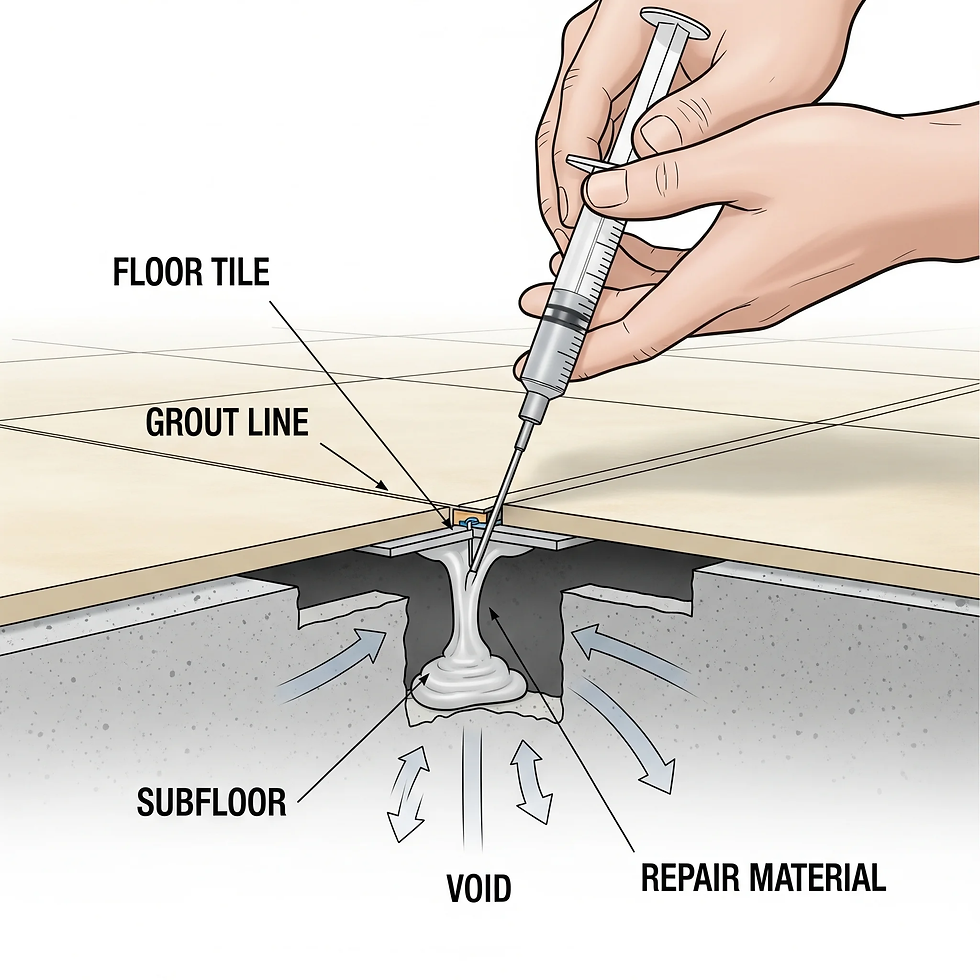
These gaps weaken the tile support and may lead to tile breakage under load.
Importance of Surface Preparation
Proper preparation of the base surface is essential for strong tile bonding. The base must be:
Clean and free from dust
Level and smooth
Properly cured before installation
Rough or uneven surfaces reduce adhesive effectiveness and increase defect risk.
Correct Tile Adhesive Usage
Modern tile installation typically uses specialized tile adhesives instead of traditional cement mortar. Adhesives provide better bonding strength and flexibility.
Common tile adhesives include:
Cement-based tile adhesives
Polymer-modified adhesives
Epoxy tile adhesives
Choosing the right adhesive improves durability and prevents tile detachment.
Role of Proper Tile Spacing
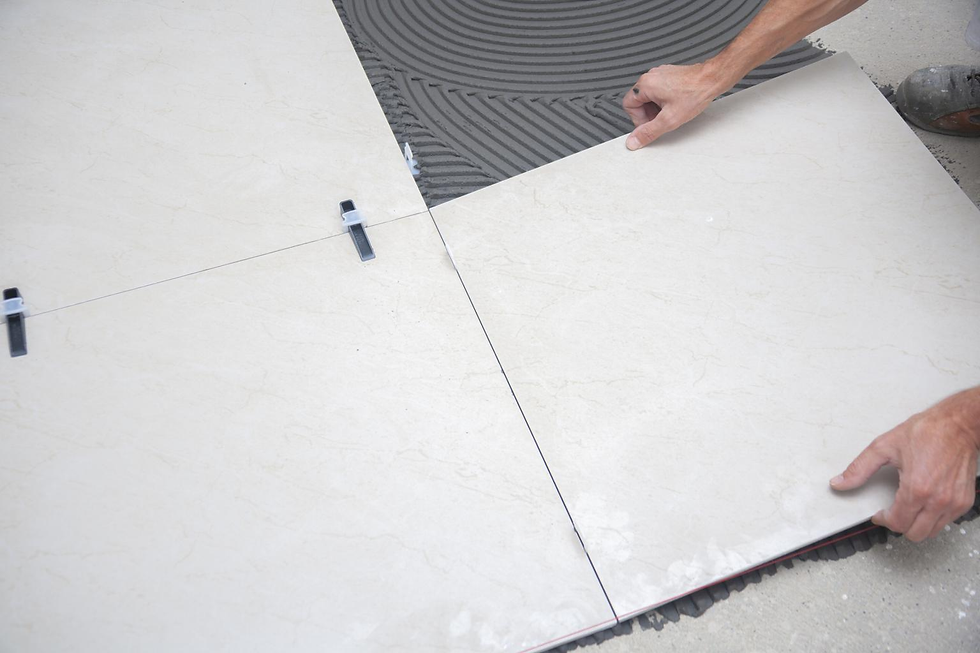
Tile spacers are used during installation to maintain uniform gaps between tiles. These gaps are later filled with grout.
Proper spacing ensures:
Consistent alignment
Accommodation of thermal expansion
Improved aesthetic appearance
Grouting and Its Importance
Grout fills the spaces between tiles and prevents water penetration beneath the tiles. Poor grouting may lead to moisture seepage and tile loosening.
Proper grout application ensures:
Waterproof joints
Strong tile bonding
Improved tile appearance
Role of Civil Engineers in Tile Installation
Site engineers must supervise tile installation to ensure quality workmanship. Their responsibilities include:
Checking surface preparation
Monitoring adhesive application
Ensuring proper tile alignment
Inspecting grouting quality
Active supervision reduces the likelihood of tile defects.
Best Practices for High-Quality Tile Installation
To achieve durable tile surfaces:
Prepare the base surface carefully
Use high-quality tile adhesives
Apply adhesive evenly across the tile surface
Maintain proper tile spacing
Perform careful grouting after installation
These practices significantly improve flooring durability.
Impact of Tile Defects on Building Quality
Tile installation errors often require expensive repairs, including:
Tile removal and replacement
Re-leveling of the base surface
Reinstallation of flooring systems
Such repairs increase project costs and delay completion.
Long-Term Problems Caused by Poor Tile Installation
Over time, poorly installed tiles may cause:
Water seepage into floors and walls
Tile loosening or detachment
Structural damage to underlying layers
Unpleasant interior appearance
Preventing installation errors during construction saves significant maintenance costs.
Conclusion: Skilled Tile Installation Ensures Durable Finishes
Tile installation may appear to be a simple finishing task, but it requires careful preparation, correct materials, and skilled workmanship. Most tile defects occur due to poor surface preparation, incorrect adhesive usage, and lack of supervision during installation.
Civil engineers who enforce proper tile installation practices, monitor workmanship, and ensure correct materials are used can significantly improve building quality. In real construction practice, high-quality tile installation reflects attention to detail, professional craftsmanship, and commitment to delivering durable and aesthetically pleasing structures.


Comments