
Improper Reinforcement Cover: A Hidden Cause of Steel Corrosion and Structural Damage
- Anjali Regmi
- Mar 6
- 3 min read

In reinforced concrete construction, the placement of steel reinforcement inside concrete is not enough to ensure structural durability. One critical parameter that often determines the long-term performance of RCC structures is the reinforcement cover, also known as clear cover. Improper reinforcement cover is one of the most common site mistakes that leads to corrosion of steel bars, cracks in concrete, and reduced structural lifespan.
In real construction projects, reinforcement cover errors usually occur due to poor supervision, incorrect placement of cover blocks, or negligence during reinforcement fixing. Although these mistakes may appear minor during construction, their impact becomes visible years later when structural deterioration begins.
What is Reinforcement Cover?
Reinforcement cover is the distance between the outer surface of concrete and the nearest surface of the steel reinforcement bar. This layer of concrete protects the steel from environmental exposure and fire.
Functions of reinforcement cover include:
Protecting steel from corrosion
Providing fire resistance
Ensuring proper bond between concrete and steel
Maintaining structural durability

Standard Cover Requirements in RCC Structures
Different structural elements require different cover thickness depending on exposure conditions and structural design.
Typical values include:
Slabs: 20–25 mm
Beams: 25–40 mm
Columns: 40 mm
Footings: 50–75 mm
These values may vary according to design codes and environmental conditions.
Common Site Mistakes in Reinforcement Cover
Missing or Improper Cover Blocks
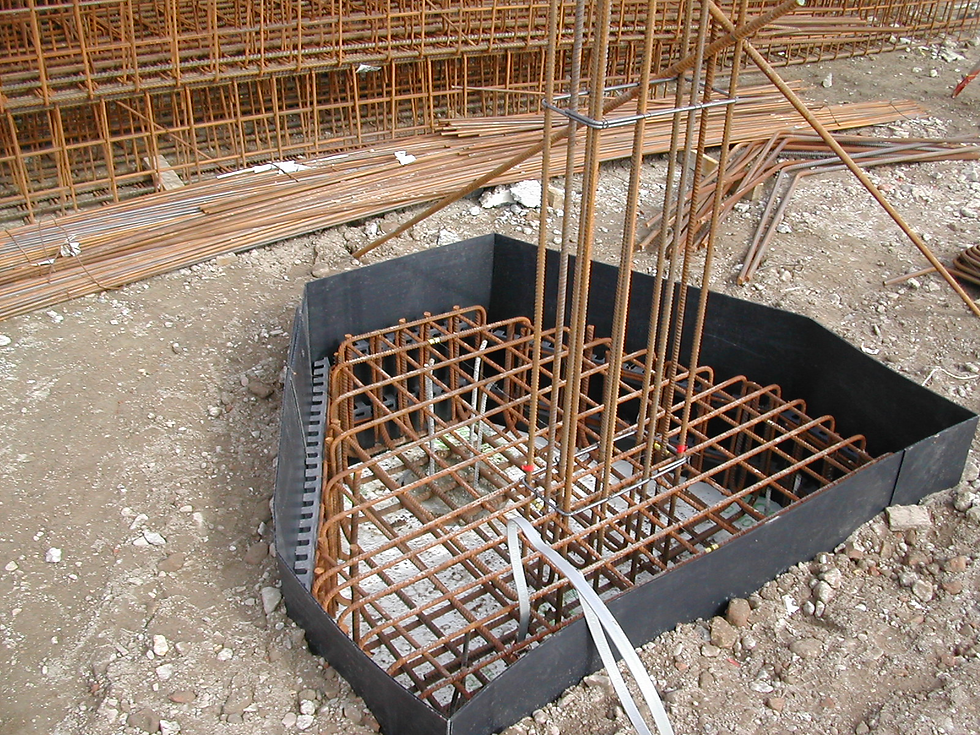
Cover blocks maintain the required distance between reinforcement and formwork. If they are missing or displaced during concreting, the steel may touch the formwork surface.
Using Broken Concrete Pieces Instead of Cover Blocks
Workers sometimes use brick pieces or stone fragments instead of proper cover blocks, leading to uneven cover thickness.
Reinforcement Movement During Concreting
Improperly tied reinforcement may shift when concrete is poured, reducing cover thickness.
Consequences of Insufficient Reinforcement Cover
When reinforcement is too close to the concrete surface, it becomes vulnerable to environmental exposure.
Major problems include:
Steel corrosion due to moisture penetration
Cracks in concrete due to rust expansion
Reduced load-bearing capacity
Shortened structural lifespan
These issues may take years to appear but eventually weaken the structure
significantly.
Corrosion of Reinforcement Steel
Corrosion occurs when moisture and oxygen reach the steel reinforcement. Rust occupies more volume than steel, causing internal pressure within the concrete.
This pressure leads to:
Surface cracking
Concrete spalling
Exposure of reinforcement bars

Importance of Cover Blocks
Cover blocks are small concrete or plastic spacers used to maintain correct reinforcement positioning. They ensure that reinforcement bars remain at the required depth during concreting.
Types of cover blocks include:
Concrete cover blocks
Plastic cover spacers
Fiber-reinforced cover blocks
Using proper cover blocks significantly improves structural durability.
Role of Civil Engineers in Ensuring Proper Cover
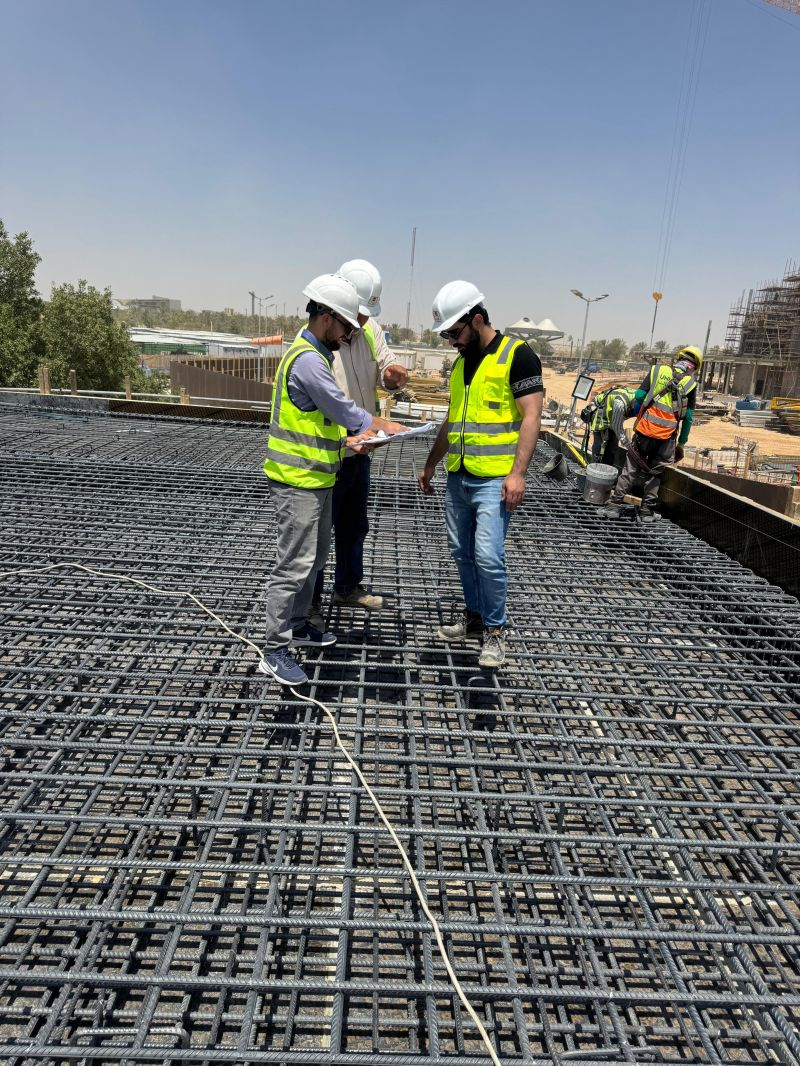
Site engineers must supervise reinforcement placement carefully. Their responsibilities include:
Checking cover block spacing
Ensuring correct reinforcement positioning
Inspecting reinforcement before concreting
Preventing reinforcement movement during pouring
Proper inspection prevents long-term durability issues.
Inspection Before Concreting
Before concrete is poured, engineers should verify:
Reinforcement spacing and alignment
Adequate number of cover blocks
Secure tying of reinforcement bars
Required cover thickness throughout the element
Environmental Factors Affecting Reinforcement Cover
Structures exposed to harsh environments require greater cover thickness.
Examples include:
Coastal structures exposed to saltwater
Industrial environments with chemical exposure
Underground structures exposed to groundwater
In such cases, increased cover protects reinforcement from corrosion.
Repairing Structures with Insufficient Cover
If reinforcement becomes exposed due to insufficient cover, repair techniques may include:
Polymer-modified mortar repair
Concrete jacketing
Protective coatings for steel
Structural strengthening systems
However, repair is always more expensive than prevention during construction.
Conclusion: Reinforcement Cover Determines Structural Durability
Improper reinforcement cover is a hidden but serious construction defect that can significantly reduce the lifespan of RCC structures. While the structural design may be correct, poor execution during reinforcement placement can lead to corrosion, cracking, and structural deterioration.
Civil engineers who ensure proper cover block placement, conduct careful inspections, and maintain reinforcement positioning during concreting play a vital role in protecting structural durability. In real construction practice, maintaining correct reinforcement cover reflects technical discipline, quality control, and commitment to building long-lasting infrastructure.


Comments