
Improper Expansion Joint Installation: How Buildings Crack Without Movement Control
- Anjali Regmi
- Mar 9
- 3 min read

Expansion joints are critical elements in modern construction that allow buildings to expand and contract due to temperature changes, shrinkage, and structural movement. Concrete, steel, and masonry naturally expand when heated and contract when cooled. If this movement is not accommodated through expansion joints, internal stresses build up in the structure, eventually causing cracks and structural damage.
In real construction projects, expansion joint problems often arise because they are ignored during design, improperly installed during construction, or poorly sealed during finishing. Although these joints may appear as simple gaps between structural sections, they play a vital role in protecting buildings from thermal stress.
Why Expansion Joints Are Necessary
All construction materials experience dimensional changes due to temperature variations. Without expansion joints, these movements can create significant stress within structural elements.
Expansion joints help to:
Absorb thermal expansion and contraction
Prevent structural cracking
Reduce stress in long concrete elements
Improve building durability
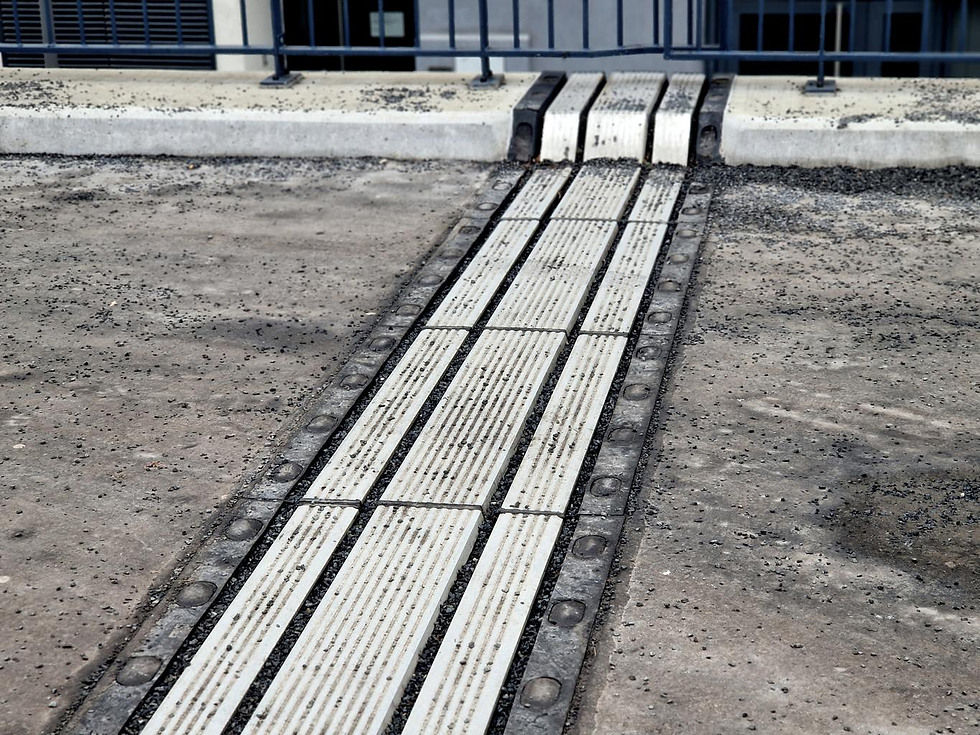
Where Expansion Joints Are Used
Expansion joints are commonly provided in:
Long buildings and structures
Concrete pavements and roads
Bridges and flyovers
Large floor slabs
Masonry walls
These joints divide large structural areas into smaller sections that can move independently.
Common Expansion Joint Installation Mistakes
Ignoring Expansion Joints in Long Structures
Long walls or slabs constructed without expansion joints may crack due to thermal movement.
Improper Joint Width
If the joint gap is too narrow, it cannot accommodate structural movement.
Poor Sealing of Joints
If expansion joints are not sealed properly, water may enter the joint and damage structural components.
Thermal Cracking in Buildings
When expansion joints are missing or improperly installed, thermal stress builds up in concrete or masonry elements. This stress often results in cracks that extend through walls or slabs.

These cracks weaken structural integrity and reduce the lifespan of buildings.
Expansion Joint Components
An effective expansion joint system typically includes:
Joint filler material
Flexible sealant
Waterproof membrane or cover plate
These components allow structural movement while protecting the building from moisture and debris.
Importance of Flexible Sealants
Flexible sealants allow expansion joints to move without allowing water infiltration. Common sealant materials include polyurethane, silicone, and bituminous sealants.
Proper sealant application ensures that joints remain functional throughout the building's lifespan.
Role of Civil Engineers in Expansion Joint Planning
Civil engineers must ensure that expansion joints are properly designed and installed. Their responsibilities include:
Identifying locations where expansion joints are required
Verifying correct joint width and spacing
Inspecting joint installation during construction
Ensuring proper sealing and waterproofing

Active supervision prevents long-term structural problems.
Expansion Joint Spacing Guidelines
The spacing between expansion joints depends on factors such as:
Length of the structure
Material properties
Environmental temperature variations
Typically, expansion joints are provided every 30–45 meters in long concrete structures.
Consequences of Poor Expansion Joint Installation
Improper expansion joints can cause several problems:
Structural cracks in walls and slabs
Water leakage through joints
Damage to building finishes
Increased maintenance costs
These issues may require expensive repairs.
Repairing Expansion Joint Failures
When expansion joints fail, repair methods may include:
Removing damaged sealant
Cleaning and reapplying flexible sealants
Installing new joint filler materials
However, repairing joints after construction is more expensive than installing them correctly initially.
Conclusion: Expansion Joints Protect Buildings from Thermal Stress
Expansion joints play a vital role in allowing buildings to adapt to temperature changes and structural movement. When properly designed and installed, they prevent cracking and structural stress in large buildings.
Most expansion joint problems arise from poor planning, incorrect installation, or lack of supervision during construction. Civil engineers who carefully design joint locations, ensure correct installation, and supervise sealing processes significantly improve building durability. In real construction practice, properly installed expansion joints reflect strong engineering design and attention to long-term structural performance.


header.all-comments