
How to Use IoT on Construction Sites: A Civil Engineer’s Practical Guide
- Anjali Regmi
- Apr 26
- 1 min read

Introduction
Construction sites are becoming smarter with the integration of Internet of Things. IoT connects devices, sensors, and equipment to collect and share real-time data, helping engineers monitor and control site operations more efficiently.
For civil engineers, IoT is not just a tech upgrade it is a practical tool to improve safety, productivity, and decision-making on site.
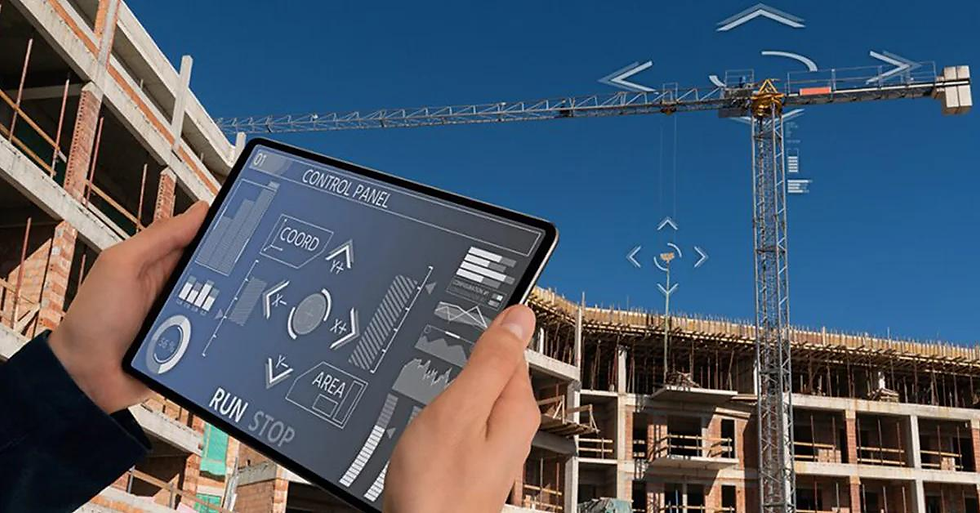
Understanding IoT in Construction
IoT involves connecting physical devices like sensors, equipment, and wearables to a central system.
These devices continuously collect data such as temperature, movement, and equipment usage, giving engineers real-time insights into site activities.
Monitoring Equipment and Assets
IoT helps track the location and performance of equipment.
Engineers can monitor whether machines are being used efficiently or sitting idle, helping in better resource management.
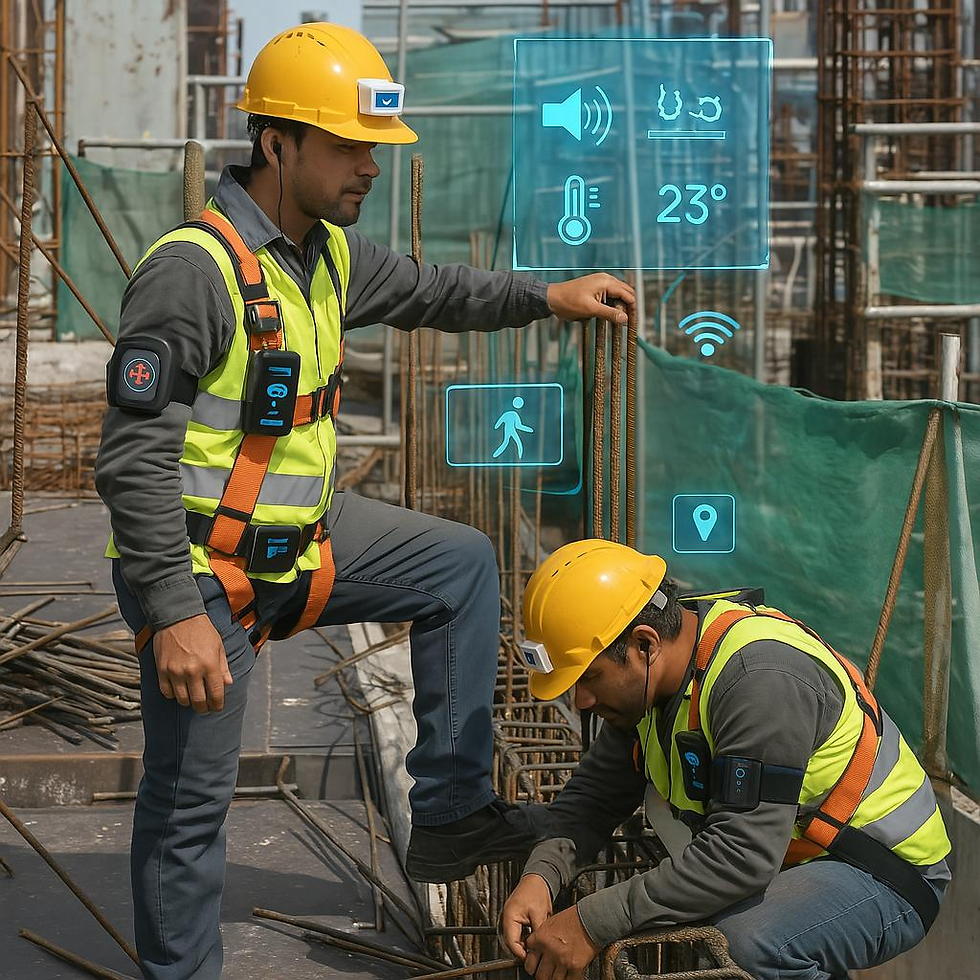
Enhancing Worker Safety
IoT devices such as smart helmets and wearables can monitor worker safety.
They can detect falls, fatigue, or unsafe conditions, allowing engineers to respond quickly and prevent accidents.
Real-Time Environmental Monitoring
IoT sensors can monitor environmental conditions such as temperature, humidity, and air quality.
This is especially useful for activities like concreting, where environmental factors affect quality.

Improving Decision-Making with Data
The data collected through IoT devices helps engineers make informed decisions.
Instead of relying on assumptions, engineers can use real-time data to optimize workflow and improve efficiency.
Conclusion
The use of Internet of Things is transforming construction sites into smart, data-driven environments.
By monitoring equipment, enhancing safety, tracking environmental conditions, and supporting better decisions, IoT empowers civil engineers to manage projects more efficiently. Adopting IoT is a key step toward modern construction practices.


Comments