
How to Use Digital Twins in Construction Projects: A Civil Engineer’s Practical Guide
- Anjali Regmi
- Apr 26
- 2 min read

Introduction
The next big leap after Building Information Modeling and Artificial Intelligence is the concept of Digital Twin.
A digital twin is a live digital replica of a physical construction project. It continuously updates using real-time data from the site, allowing engineers to monitor, analyze, and optimize performance throughout the project lifecycle.
For civil engineers, this means better control, fewer surprises, and smarter decision-making.
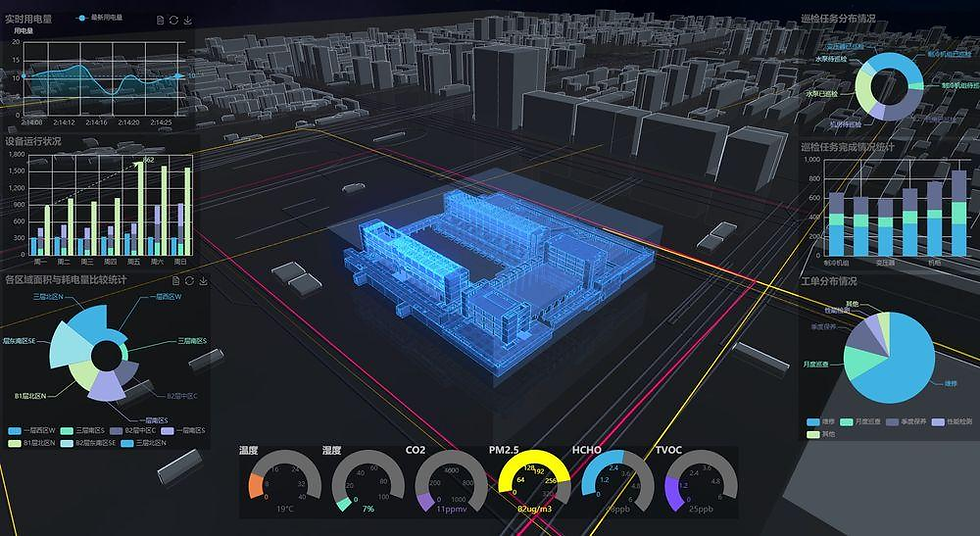
Understanding Digital Twins in Construction
A digital twin combines BIM models with real-time site data such as sensors, drones, and IoT devices.
This creates a dynamic model that reflects the actual condition of the project at any given time.
Real-Time Site Monitoring
Digital twins allow engineers to monitor site conditions in real time.
Data such as temperature, structural stress, and progress updates can be tracked instantly, helping engineers stay informed without being physically present everywhere.

Predicting Problems Before They Occur
One of the most powerful features of digital twins is predictive analysis.
By simulating different scenarios, engineers can identify potential issues such as structural stress or delays before they actually happen.
Improving Maintenance and Lifecycle Management
Digital twins are not limited to construction they are also used for maintenance after project completion.
Engineers can track the condition of the building and plan maintenance activities more efficiently.
Enhancing Decision-Making and Efficiency
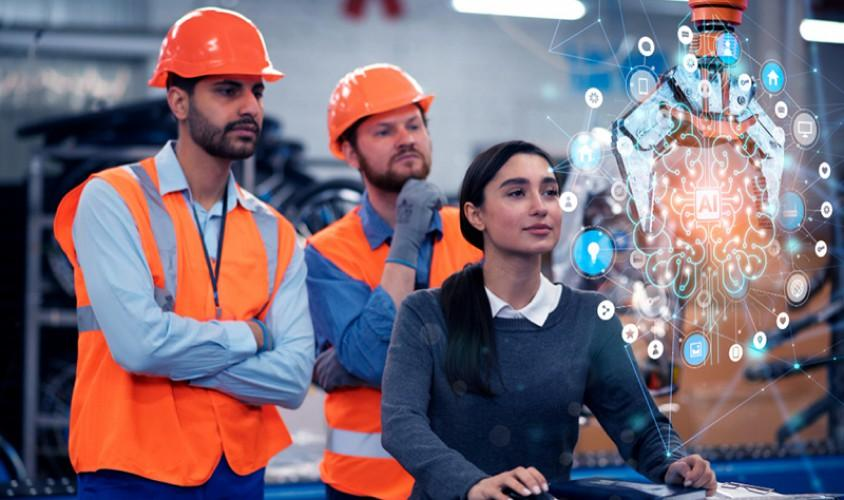
With access to real-time and predictive data, engineers can make better decisions.
This improves efficiency, reduces risks, and ensures smoother project execution.
Conclusion
The concept of Digital Twin is redefining construction site management.
By combining real-time monitoring, predictive analysis, and lifecycle management, digital twins give civil engineers unprecedented control over projects. Adopting this technology is a step toward smarter, more efficient, and future-ready construction practices


Comments