
How to Start Freelancing as a Civil Engineer: A Practical Guide
- Anjali Regmi
- Apr 30
- 1 min read

Introduction
Freelancing is no longer limited to designers or writers—civil engineers can also build independent careers by offering specialized services. From quantity takeoffs to planning and consultancy, freelancing opens up flexible income opportunities.
For engineers, freelancing means more control over work, clients, and earnings—but it also requires discipline, skills, and strategy.
Identifying Your Service Niche
Start by identifying what service you can offer.
Common freelance services include estimation, BOQ preparation, planning, drafting, and site consultancy. Choosing a clear niche helps you position yourself better in the market.
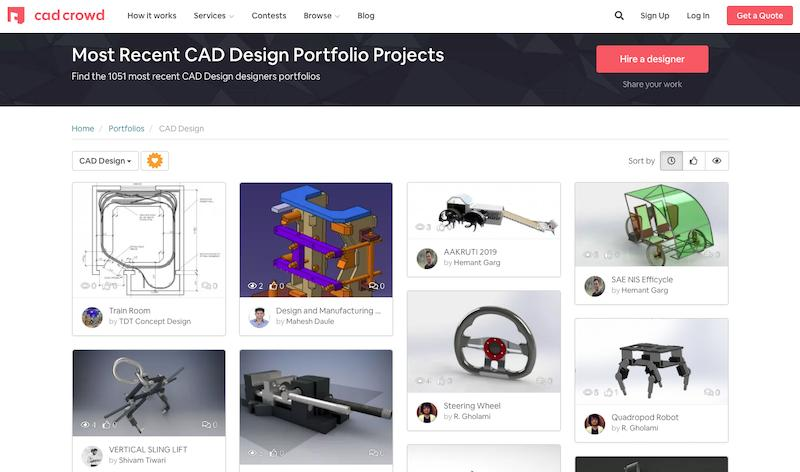
Building a Strong Portfolio
Clients trust proof, not promises.
Create a portfolio that includes your past work, drawings, reports, or case studies. Even sample projects can help demonstrate your skills.
Creating an Online Presence
Platforms like LinkedIn and freelancing websites help you find clients.
A strong online profile with clear services and samples increases your chances of getting work.

Finding Your First Clients
The first few clients are the hardest to get.
Start with your network—friends, colleagues, or past contacts. Offer value, communicate clearly, and build trust.
Managing Work and Payments Professionally
Freelancing requires discipline.
Set clear timelines, define payment terms, and maintain professionalism. This ensures smooth work and long-term client relationships.

Conclusion
Freelancing in civil engineering is a powerful way to grow beyond traditional job roles.
By choosing the right niche, building a strong portfolio, creating an online presence, and managing clients professionally, engineers can build a successful freelance career.
Freedom comes with responsibility—but the rewards can be worth it.


Comments