
How to Manage Subcontractors on a Construction Site: A Civil Engineer’s Guide
- Anjali Regmi
- Apr 20
- 2 min read

Introduction
Subcontractors play a vital role in construction projects, handling specialized tasks such as electrical work, plumbing, finishing, and more. While they bring expertise, managing them effectively is a key responsibility for civil engineers.
Poor coordination with subcontractors can lead to delays, quality issues, and conflicts. On the other hand, proper management ensures smooth workflow and timely project completion.
Understanding the Scope of Work
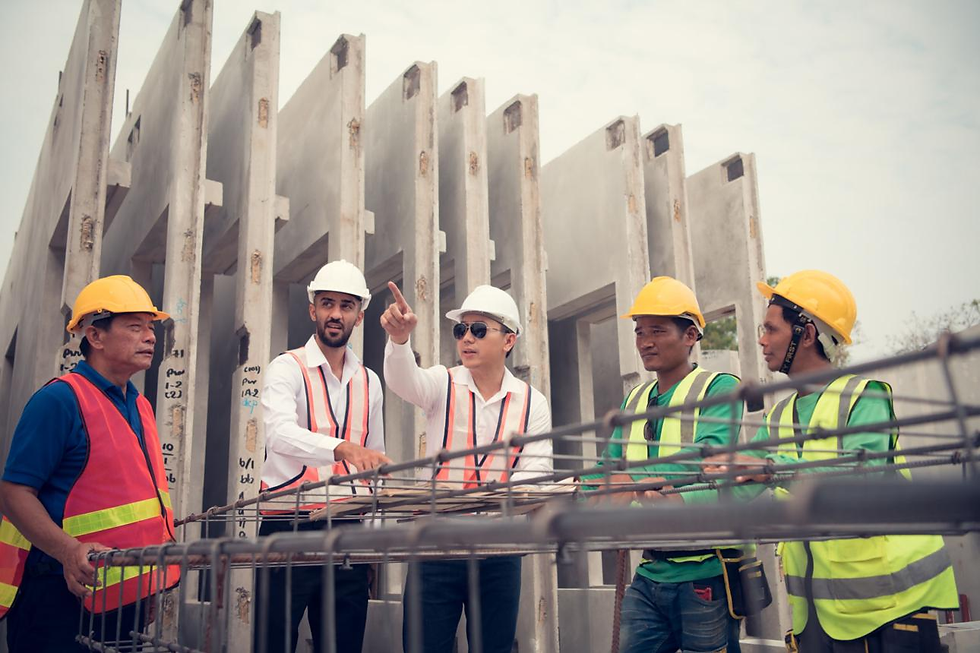
Before work begins, engineers must clearly understand the scope assigned to each subcontractor. This includes their responsibilities, timelines, and deliverables.
A clear understanding helps avoid confusion and ensures that all tasks are properly aligned with the overall project plan.
Setting Clear Expectations
Engineers should communicate expectations clearly from the beginning. This includes quality standards, deadlines, safety requirements, and reporting procedures.
When expectations are well defined, subcontractors can perform their tasks more efficiently and with fewer misunderstandings.
Coordinating Work with Other Teams
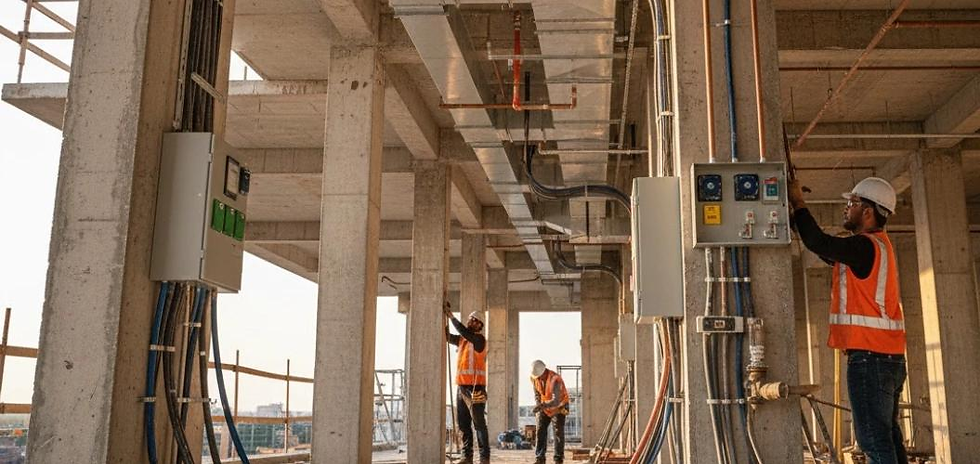
Subcontractor work often overlaps with other activities on site. Engineers must ensure proper coordination to avoid conflicts and delays.
For example, electrical and plumbing work should be completed before finishing activities. Proper sequencing ensures smooth execution.
Monitoring Quality and Progress

Engineers must regularly inspect subcontractor work to ensure it meets required standards. Monitoring progress also helps in tracking timelines and identifying delays early.
Continuous supervision ensures that quality and deadlines are maintained.
Handling Conflicts and Issues
Conflicts may arise due to delays, misunderstandings, or quality concerns. Engineers should address these issues promptly and professionally.
Clear communication and practical problem-solving help in resolving conflicts without affecting project progress.
Maintaining Documentation and Records
Proper documentation of subcontractor work, agreements, and progress is essential.
Records help in tracking performance, managing payments, and resolving disputes if they arise.
Building Professional Relationships
A positive relationship with subcontractors improves cooperation and efficiency. Engineers should maintain a professional and respectful approach while dealing with them.
Good relationships lead to better coordination and smoother project execution.
Conclusion
Managing subcontractors is a crucial aspect of construction site management. By understanding their scope, setting clear expectations, coordinating work, and maintaining quality, civil engineers can ensure successful collaboration.
For engineers, mastering subcontractor management enhances project efficiency and strengthens their leadership skills in the construction industry.


Comments