
How to Manage Material Wastage on Construction Sites: A Practical Guide for Civil Engineers
- Anjali Regmi
- Apr 17
- 2 min read

Introduction
Material wastage is one of the most overlooked issues on construction sites, yet it has a direct impact on project cost and efficiency. Even small losses in materials like cement, steel, and aggregates can accumulate into significant financial setbacks.
For civil engineers, managing material wastage is not just about saving money it is about improving efficiency, sustainability, and overall project performance.
Understanding Why Wastage Happens
Material wastage can occur due to several reasons, including poor storage, improper handling, over-ordering, and lack of supervision.
For example, cement can get damaged due to moisture, steel can be wasted due to incorrect cutting, and aggregates can be lost due to improper handling. Identifying these causes is the first step toward controlling wastage.
Proper Planning and Estimation
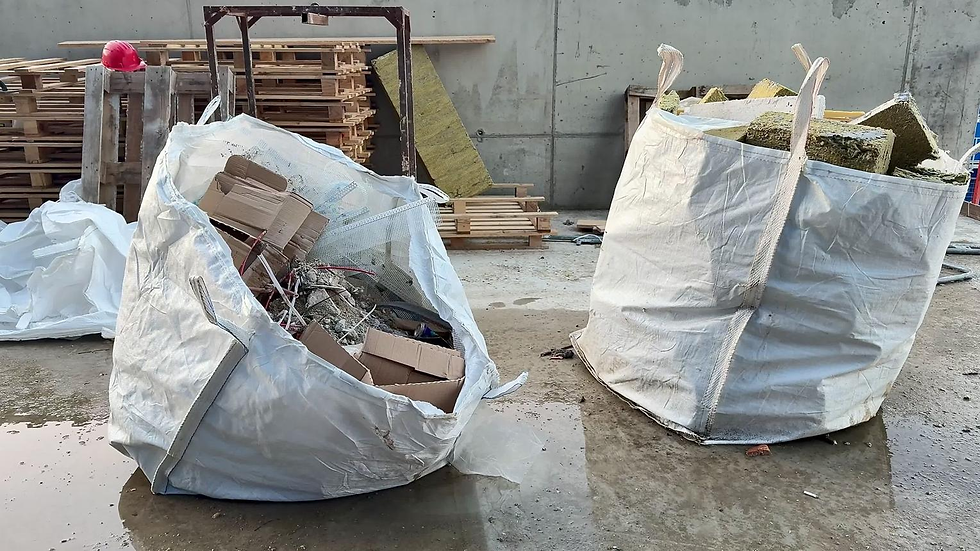
Effective material management starts with accurate planning. Engineers must ensure that the quantity of materials ordered matches the project requirements.
Over-ordering leads to unnecessary wastage, while under-ordering can cause delays. A well-prepared estimate helps maintain balance and control.
Correct Storage Practices
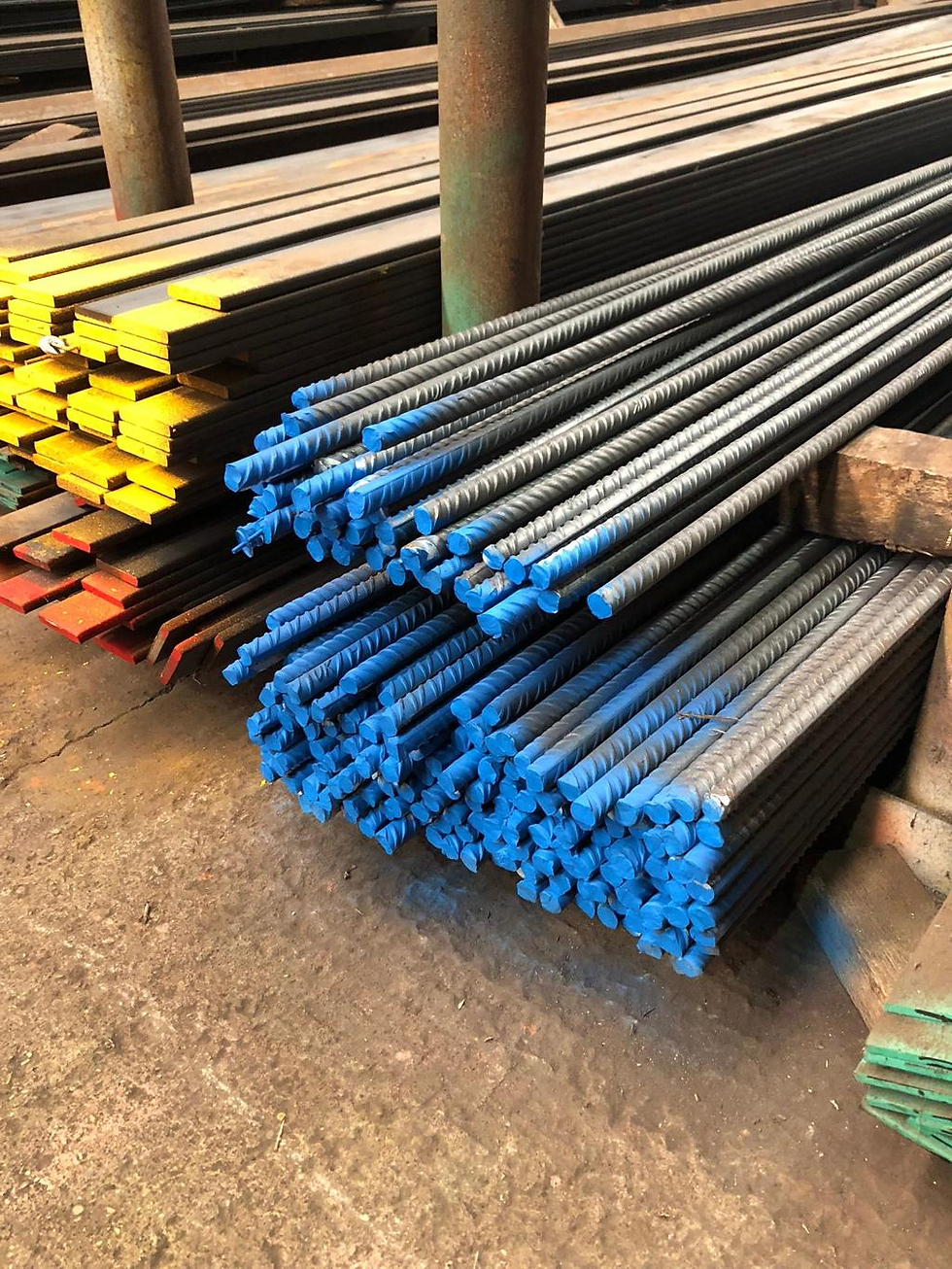
Proper storage is essential to prevent damage and loss. Cement should be stored in dry conditions, steel should be stacked properly, and aggregates should be protected from contamination.
Engineers must ensure that materials are stored systematically and safely to maintain their quality.
Efficient Material Handling
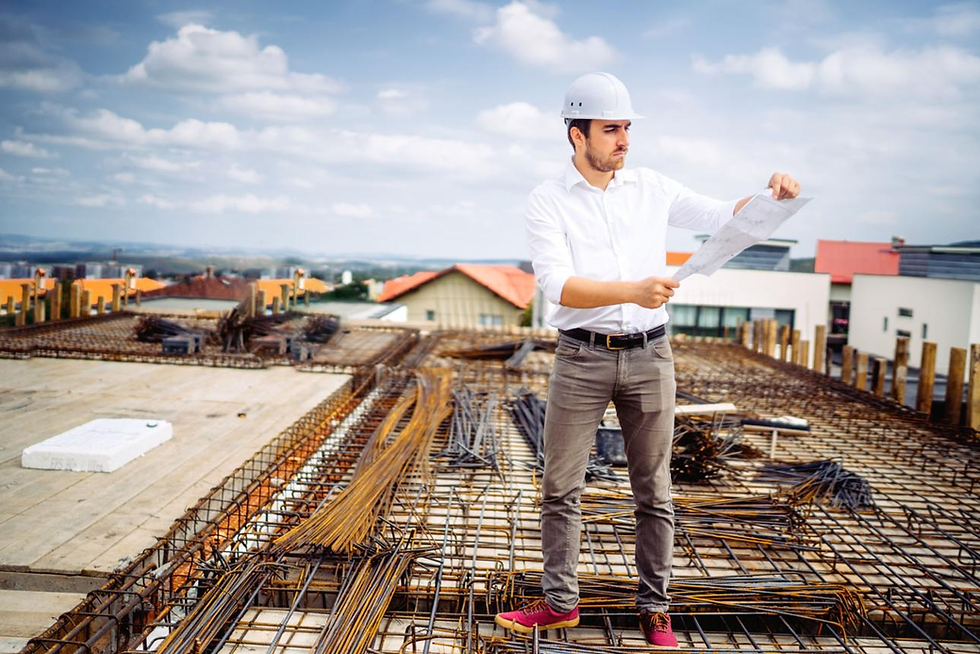
Improper handling of materials can lead to breakage, spillage, and loss. Workers should be trained to handle materials carefully and use appropriate tools and equipment.
Engineers must supervise handling processes to ensure efficiency and minimize wastage.
Monitoring Usage on Site
Regular monitoring helps track how materials are being used. Engineers should compare actual consumption with estimated quantities to identify discrepancies.
If excessive usage is noticed, immediate corrective actions should be taken. Continuous monitoring ensures better control over resources.
Reusing and Recycling Materials
Not all waste needs to be discarded. Some materials can be reused or recycled. For example, leftover concrete can be used for non-structural work, and steel scraps can be repurposed.
This approach not only reduces wastage but also promotes sustainable construction practices.
Training Workers and Creating Awareness
Workers play a key role in material usage. By educating them about the importance of minimizing waste, engineers can significantly improve efficiency.
Simple practices like careful handling and proper measurement can make a big difference.
Conclusion
Managing material wastage is a crucial responsibility for civil engineers. Through proper planning, storage, handling, and monitoring, wastage can be minimized effectively.
By adopting these practices, engineers can reduce costs, improve efficiency, and contribute to more sustainable construction projects.


Comments