
How to Manage Excavation Work on Site: A Civil Engineer’s Practical Guide
- Anjali Regmi
- Apr 20
- 2 min read

Introduction
Excavation is the first major activity in most construction projects and sets the foundation for everything that follows. Any mistake at this stage can affect the entire structure, making it one of the most critical operations on site.
For civil engineers, managing excavation work requires careful planning, accurate measurement, and strict supervision to ensure safety and correctness.
Understanding Excavation Drawings and Layout
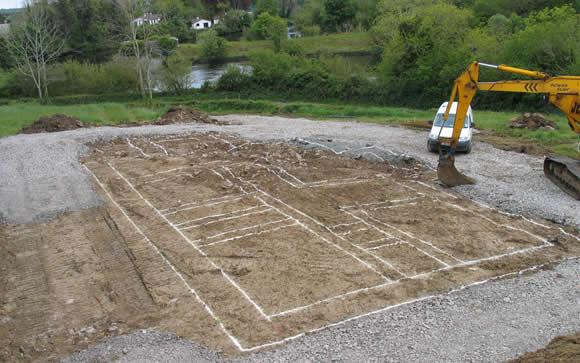
Before excavation begins, engineers must study the drawings and ensure that the layout is properly marked on site.
Accurate marking of boundaries, dimensions, and levels is essential to avoid errors during digging. This step ensures that excavation is carried out exactly as per design.
Checking Depth and Alignment
During excavation, engineers must continuously check the depth and alignment.
Using leveling instruments and measuring tools, they ensure that the excavation meets the required specifications. Incorrect depth can lead to structural problems later.
Managing Soil and Disposal

Excavation generates a large amount of soil that must be managed properly. Engineers should plan for storage, reuse, or disposal of excavated material.
Efficient soil management helps maintain site organization and prevents unnecessary delays.
Ensuring Safety During Excavation
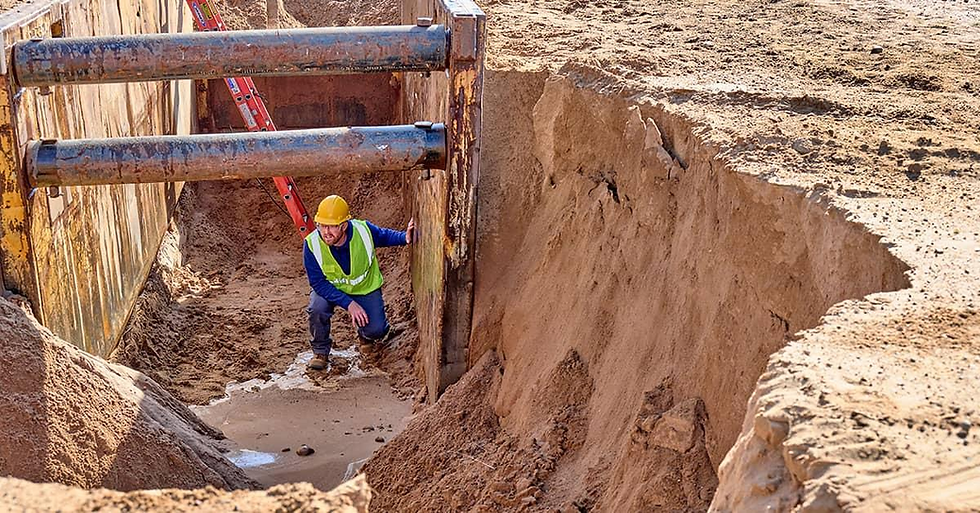
Excavation work can be hazardous, especially due to risks like trench collapse. Engineers must ensure that safety measures such as proper shoring, barricading, and access are in place.
Regular inspection and adherence to safety guidelines are essential to prevent accidents.
Coordinating with Machinery and Labor
Excavation often involves heavy machinery such as excavators and loaders. Engineers must coordinate between machine operators and workers to ensure smooth execution.
Proper communication helps in maintaining efficiency and avoiding errors.
Preparing for the Next Stage
Once excavation is complete, engineers must ensure that the site is ready for the next phase, such as foundation work.
This includes cleaning the area, checking levels, and verifying that all specifications are met.
Conclusion
Managing excavation work requires precision, planning, and strong supervision.
By ensuring accurate layout, maintaining safety, and coordinating resources effectively, civil engineers can set a strong foundation for the entire project. Mastering excavation management is a key step toward successful construction execution.


Comments