
How to Manage Billing and Payment Processes on Construction Sites: A Civil Engineer’s Guide
- Anjali Regmi
- Apr 23
- 2 min read

Introduction
Billing and payment management is a crucial yet often overlooked responsibility on construction sites. While execution ensures progress, billing ensures that work gets recognized and paid for.
For civil engineers, understanding billing processes is essential for financial control, contractor coordination, and smooth project flow.
Understanding the Billing Process
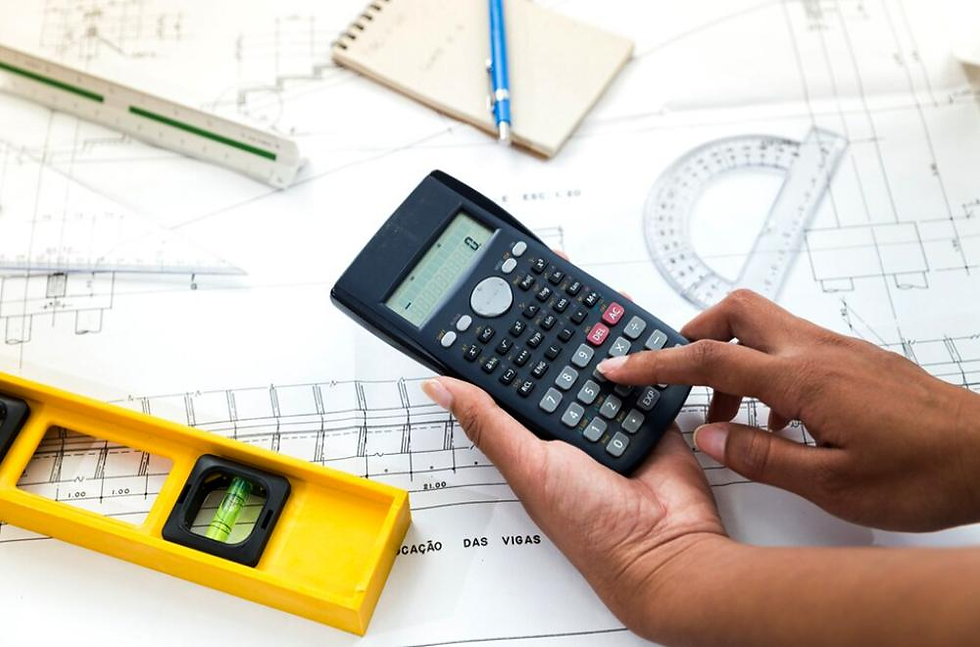
The billing process typically starts with measurement of completed work, followed by preparation of bills based on the Bill of Quantities (BOQ).
These bills are then verified, approved, and processed for payment. Engineers play a key role in each of these steps.
Accurate Measurement for Billing
Billing depends on accurate measurement of work executed. Engineers must ensure that all quantities are measured correctly and recorded in the measurement book.
Any error in measurement can lead to disputes or financial losses.
Verifying Contractor Bills
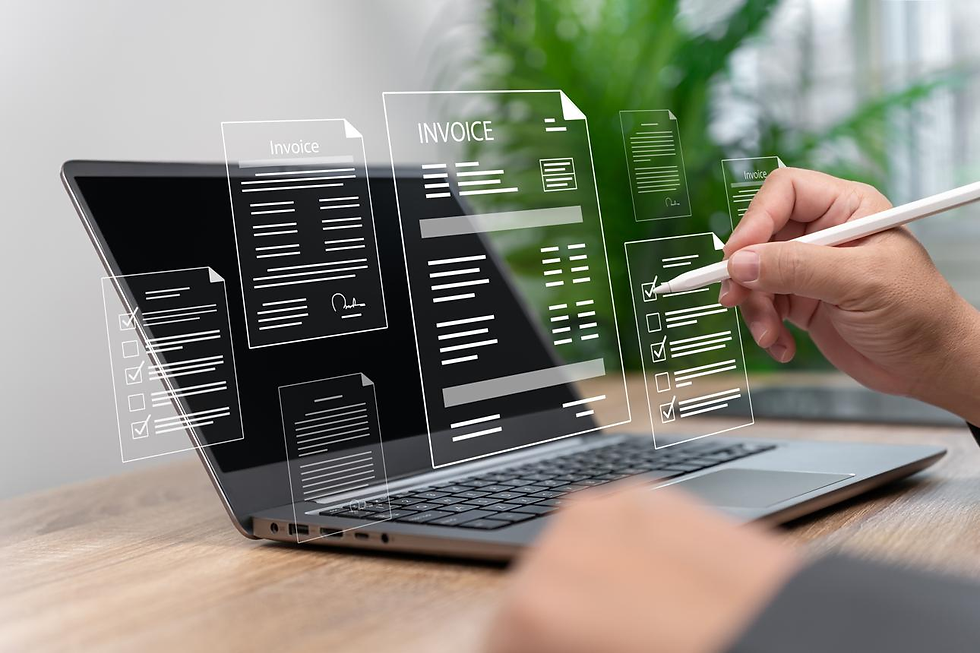
Once a contractor submits a bill, engineers must verify it carefully.
This includes checking quantities, rates, and compliance with BOQ. Proper verification ensures transparency and prevents overbilling.
Maintaining Proper Documentation

Documentation is essential for billing. Engineers must maintain records such as measurement books, bills, invoices, and approvals.
Proper documentation helps in tracking payments and resolving disputes.
Coordinating with Accounts and Contractors
Billing involves coordination between site engineers, contractors, and accounts teams. Engineers must communicate clearly to ensure smooth processing of payments.
Good coordination reduces delays and maintains a positive working relationship.
Managing Payment Timelines
Timely payments are important for maintaining workflow and contractor motivation. Engineers should ensure that bills are processed without unnecessary delays.
Delays in payment can affect project progress and relationships.
Avoiding Common Billing Errors
Common mistakes such as incorrect measurements, missing documentation, or calculation errors should be avoided.
Engineers must double-check all details to ensure accuracy and reliability.
Conclusion
Managing billing and payments is a vital responsibility that supports the financial health of construction projects.
By ensuring accurate measurements, proper verification, and clear documentation, civil engineers can handle billing processes effectively. Mastering this skill enhances project efficiency and professional credibility.


Comments