
How to Handle Safety Violations on Construction Sites: A Civil Engineer’s Practical Guide
- Anjali Regmi
- May 16
- 2 min read

Introduction
Safety is one of the most important responsibilities on any construction project. However, despite safety rules and procedures, violations such as improper use of equipment, failure to wear protective gear, unsafe work practices, and negligence are common challenges on construction sites.
Safety violations can lead to accidents, injuries, project delays, financial losses, and legal consequences. For civil engineers, handling safety violations effectively is essential to maintain a secure and productive work environment.
Identifying Common Safety Violations Early
Common violations include workers not wearing helmets or harnesses, unsafe scaffolding, poor housekeeping, electrical hazards, improper equipment handling, and ignoring safety procedures.
Recognizing unsafe behavior early helps prevent accidents and improves overall site discipline.
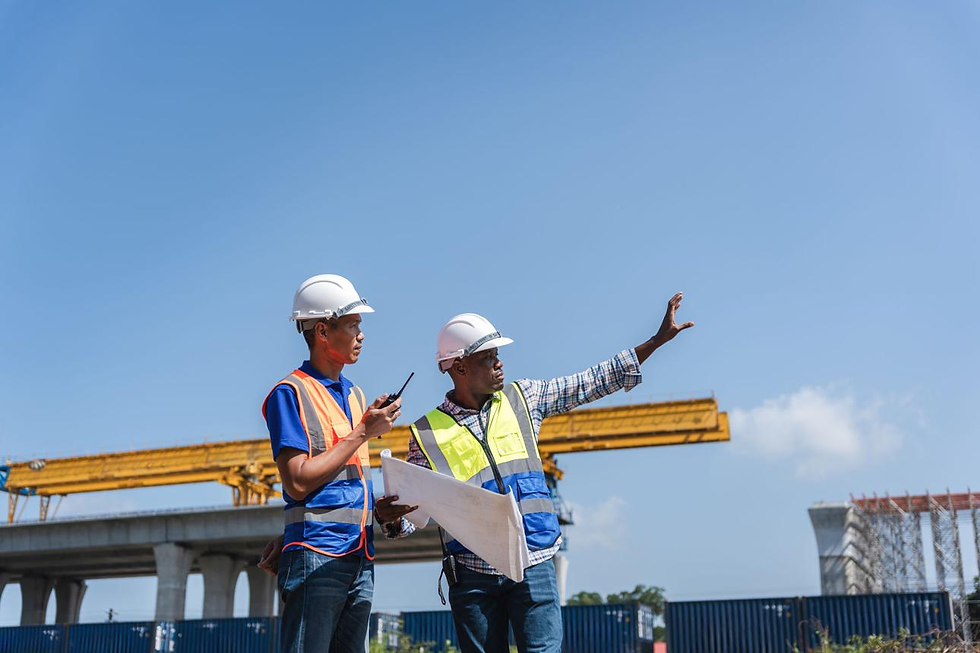
Understanding the Causes Behind Unsafe Practices
Safety violations may occur due to lack of training, poor supervision, work pressure, carelessness, or weak enforcement of safety standards.
Understanding the root cause helps engineers implement more effective corrective measures.
Conducting Regular Safety Training and Awareness Programs
Regular training improves worker awareness regarding hazards, emergency procedures, and proper safety practices.
Toolbox talks, demonstrations, and safety meetings help reinforce discipline and reduce unsafe behavior.
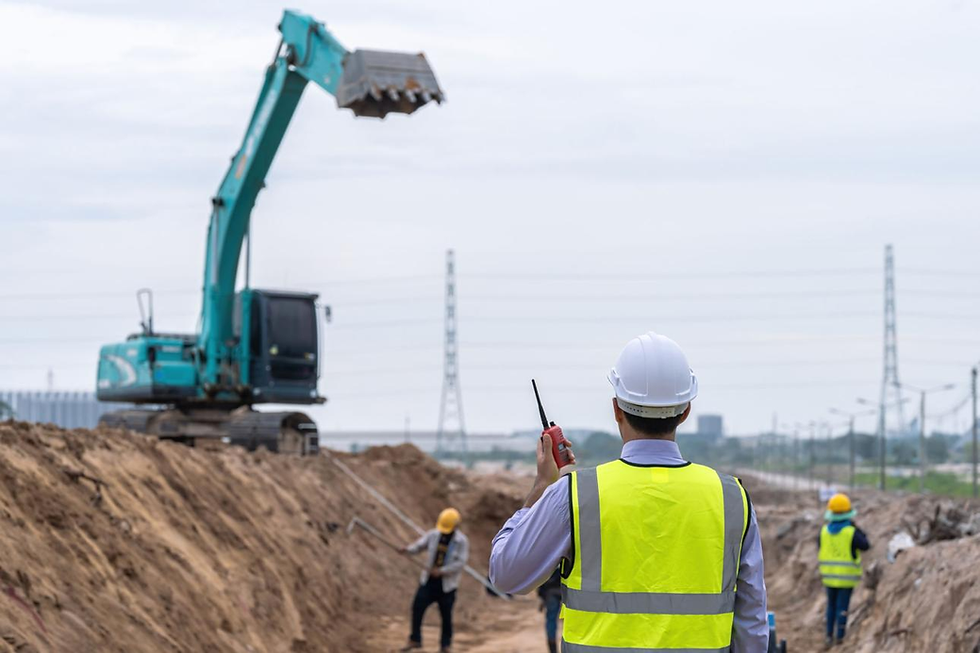
Enforcing Safety Rules Consistently
Safety standards should be applied consistently to all workers and contractors.
Ignoring violations or applying rules unevenly weakens overall site safety culture and increases risk.
Taking Immediate Corrective Action on Violations
Unsafe activities should be stopped immediately before accidents occur.
Engineers should investigate violations, provide guidance, and implement corrective measures to prevent repetition.
Building a Strong Safety Culture on Site

Safety improves when workers understand that it is a shared responsibility rather than only a rule.
Encouraging accountability, awareness, and teamwork helps create a stronger and more disciplined safety culture.
Conclusion
Safety violations can seriously affect construction projects, worker well-being, and company reputation, but they can be controlled through training, supervision, consistent enforcement, and strong leadership.
By maintaining strict safety standards and promoting awareness, civil engineers can create safer, more efficient, and more professional construction environments.
Effective safety management is one of the most important responsibilities in successful construction leadership.


Comments