
How to Handle Safety Violations on Construction Sites: A Civil Engineer’s Practical Guide
- Anjali Regmi
- May 3
- 2 min read

Introduction
Safety is one of the most critical aspects of any construction project. However, despite clear guidelines and regulations, safety violations are still common on many sites. Workers may ignore protective measures, skip procedures, or take shortcuts to save time.
For civil engineers, ensuring safety is not just a responsibility—it is a necessity to protect lives, avoid legal issues, and maintain project efficiency.
Identifying Common Safety Violations
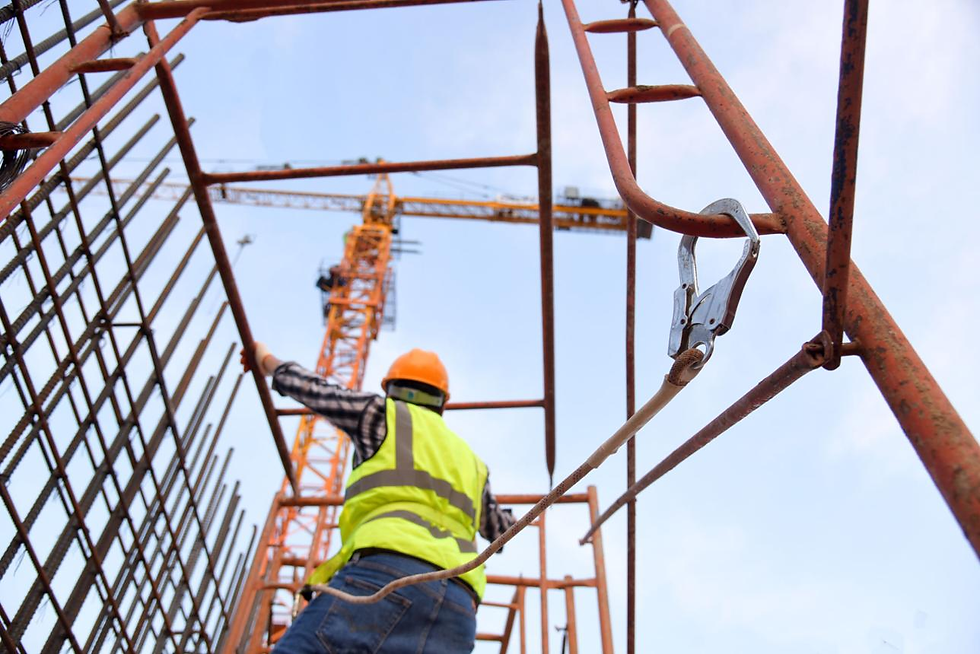
Common safety violations include not wearing personal protective equipment (PPE), unsafe scaffolding, improper handling of tools, and ignoring safety protocols.
Recognizing these violations early helps prevent accidents and ensures a safer working environment.
Understanding the Causes of Unsafe Behavior
Safety violations often occur due to lack of awareness, insufficient training, poor supervision, or pressure to complete work quickly.
Understanding these causes helps engineers address the root problem instead of only reacting to incidents.
Enforcing Safety Rules Strictly
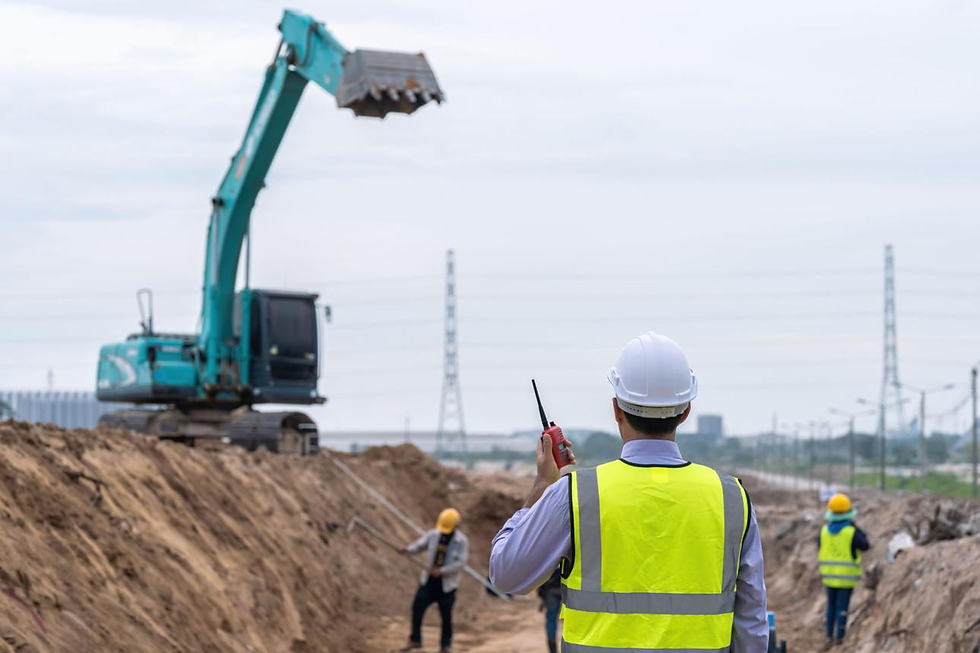
Engineers must ensure that safety rules are followed consistently.
Strict enforcement creates discipline and reduces the chances of repeated violations. Safety should never be compromised for speed.
Conducting Regular Safety Training
Regular safety training increases awareness among workers.
Toolbox talks and demonstrations help workers understand the importance of safety measures and how to follow them correctly.
Monitoring and Inspecting Continuously

Continuous monitoring ensures that safety standards are maintained at all times.
Regular inspections help identify risks early and prevent potential accidents.
Creating a Safety-First Culture
Safety should be part of the work culture, not just a rule.
Encouraging workers to prioritize safety and report risks creates a proactive environment where accidents are less likely to occur.
Conclusion
Safety violations are a serious concern on construction sites, but they can be controlled through awareness, strict enforcement, and continuous monitoring.
By identifying risks, providing training, and building a safety-first culture, civil engineers can ensure a secure working environment and successful project execution.
Safety is not an option—it is a responsibility that must be upheld at all times.


Comments