
How to Handle Rework on Construction Sites: A Civil Engineer’s Practical Guide
- Anjali Regmi
- May 7
- 2 min read

Introduction
Rework is one of the most costly and frustrating problems in construction projects. It occurs when completed work has to be corrected or redone due to errors, poor workmanship, design changes, or miscommunication.
Rework affects project timelines, increases costs, wastes materials, and reduces productivity. For civil engineers, minimizing and managing rework is essential for maintaining quality and ensuring efficient project execution.
Identifying the Causes of Rework
Rework can happen for several reasons, including incorrect drawings, poor communication, lack of supervision, or unskilled labor.
Understanding the root cause helps engineers prevent similar issues from occurring again.
Verifying Drawings and Specifications Before Execution

Many rework issues begin with incorrect interpretation of drawings or specifications.
Engineers should thoroughly verify all details before starting work and clarify any doubts with consultants or designers.
Improving Supervision During Execution
Continuous supervision helps identify mistakes early before they become major problems.
Engineers should regularly inspect ongoing work and ensure that execution follows approved drawings and standards.
Communicating Instructions Clearly to Workers

Miscommunication is a major reason for rework.
Clear instructions, demonstrations, and visual explanations help workers understand the required work correctly.
Conducting Stage-Wise Quality Checks
Quality checks should be conducted at every stage rather than only after completion. Early detection of errors reduces the extent of rework and prevents further complications.
Learning from Rework Incidents
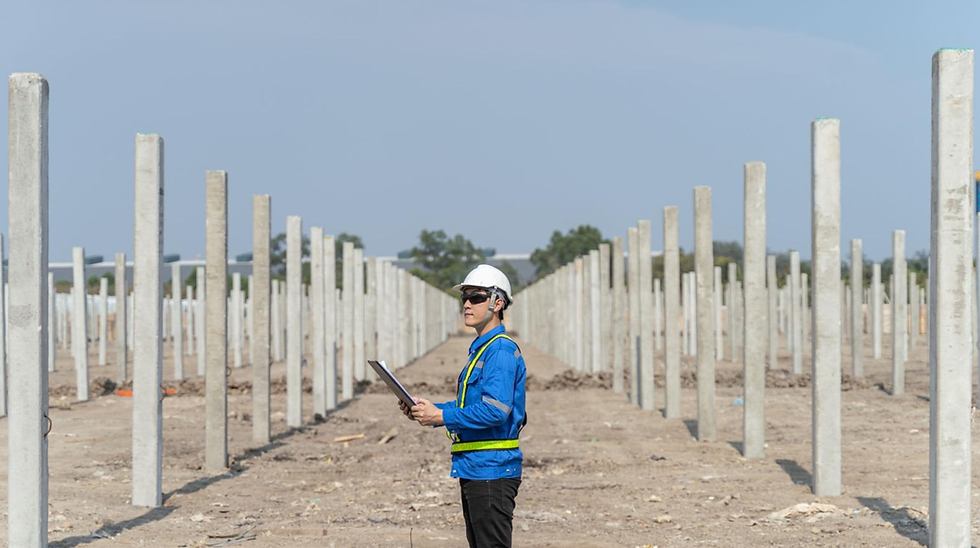
Every rework incident provides an opportunity for improvement.
Engineers should analyze what went wrong, document lessons learned, and improve processes to avoid repeating the same mistakes.
Conclusion
Rework is a serious challenge that affects time, cost, and quality in construction projects. However, it can be minimized through proper planning, clear communication, continuous supervision, and regular quality checks.
For civil engineers, preventing rework is not only about reducing mistakes—it is about improving efficiency, professionalism, and overall project performance.


Comments