
How to Handle Rework on a Construction Site: Minimizing Losses and Improving Efficiency
- Anjali Regmi
- Apr 18
- 2 min read

Introduction
Rework is one of the most costly and frustrating issues in construction projects. It occurs when completed work has to be redone due to errors, poor quality, or design mismatches.
For civil engineers, handling rework efficiently is essential to minimize time loss, control costs, and maintain project quality. While rework cannot always be avoided, it can be managed effectively with the right approach.
Understanding Why Rework Happens
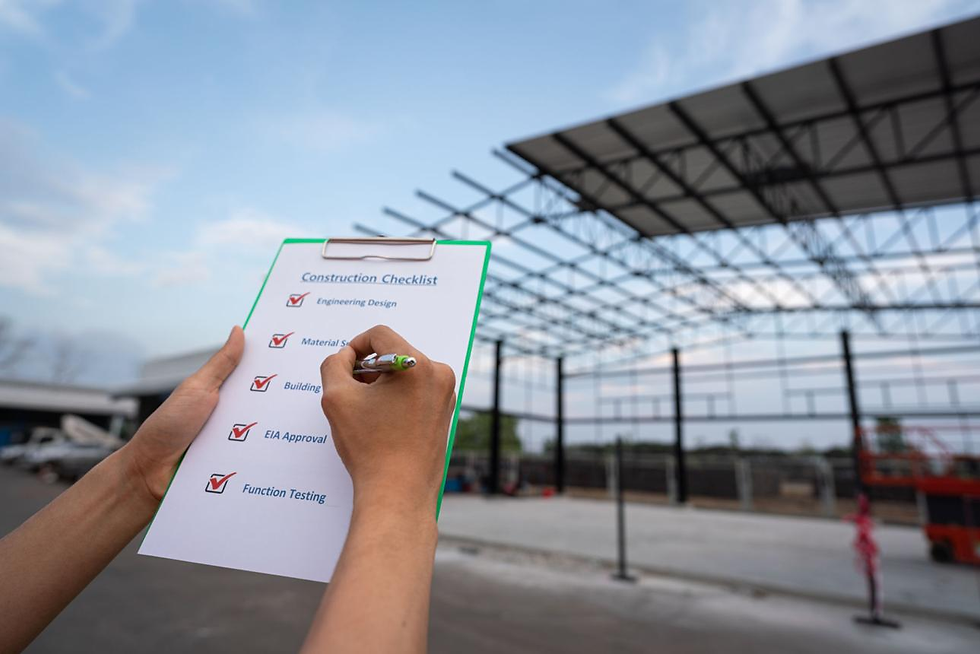
Rework usually results from errors in execution, misinterpretation of drawings, poor supervision, or use of incorrect materials.
In many cases, lack of communication or rushing work leads to mistakes that require correction later. Identifying the root cause is the first step toward managing rework effectively.
Identifying the Issue Early
Early detection can significantly reduce the impact of rework. Engineers should conduct regular inspections and identify issues before they become major problems.
For example, checking reinforcement before concreting or verifying alignment early can prevent costly corrections later.
Planning the Rework Process
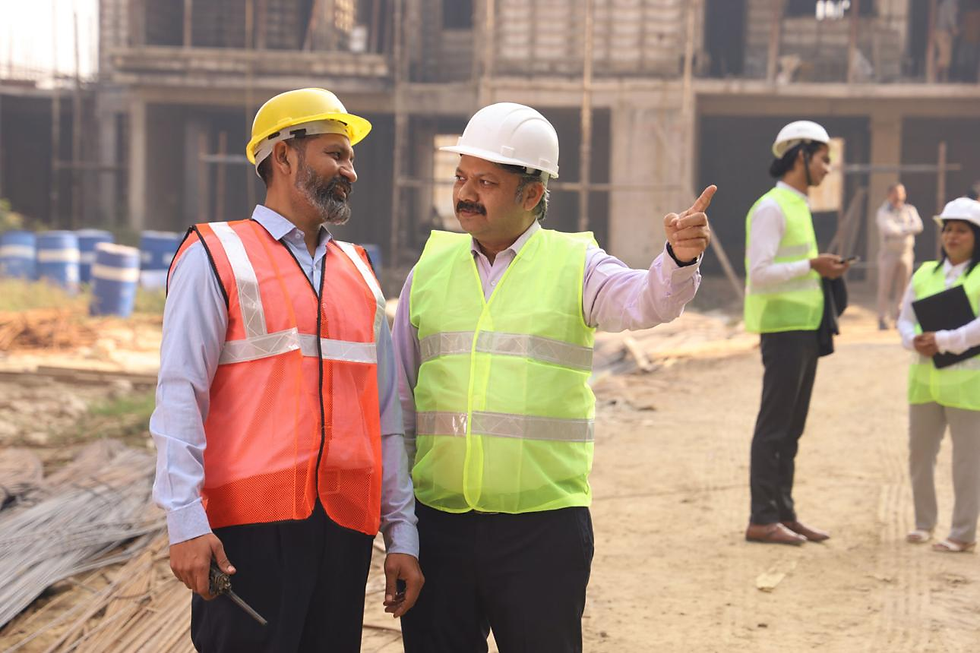
Once rework is identified, it must be planned properly. Engineers should decide the best method to correct the issue without affecting surrounding work.
Proper planning ensures that rework is carried out efficiently and does not create additional problems.
Minimizing Cost and Time Impact

Rework can increase both cost and project duration. Engineers must manage resources carefully to minimize these impacts.
This may involve reallocating labor, adjusting schedules, or using alternative methods to complete corrections faster.
Improving Communication to Avoid Future Rework
Clear communication between teams is essential to prevent repeated mistakes. Engineers should ensure that instructions are properly understood and followed.
Regular discussions and feedback sessions help in improving coordination and reducing errors.
Strengthening Supervision and Quality Control
Rework often indicates gaps in supervision. Engineers must strengthen monitoring and quality control practices to avoid similar issues in the future.
Consistent checks and adherence to procedures ensure that work is done correctly the first time.
Learning from Rework
Every rework situation provides an opportunity to learn. Engineers should analyze what went wrong and implement measures to prevent recurrence.
This continuous improvement approach helps in building better project management skills.
Conclusion
Rework is an unavoidable part of construction, but its impact can be controlled with proper planning, early detection, and effective management.
For civil engineers, handling rework efficiently is not just about fixing mistakes—it is about learning from them and improving future performance.


Comments