
How to Handle Poor Site Housekeeping on Construction Projects: A Civil Engineer’s Practical Guide
- Anjali Regmi
- May 15
- 2 min read

Introduction
Site housekeeping is an essential part of construction management that directly affects safety, productivity, quality, and overall project efficiency. Poor housekeeping can lead to accidents, material damage, delays, and an unorganized work environment that reduces workforce efficiency.
Construction sites generate continuous movement of materials, tools, equipment, and debris, making regular housekeeping critical. For civil engineers, maintaining clean and organized sites is important for smooth execution and professional site management.
Understanding the Impact of Poor Housekeeping
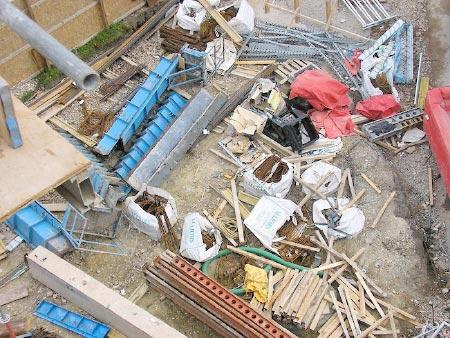
Poor housekeeping increases safety risks such as slips, trips, falls, fire hazards, and equipment damage.
It also creates confusion during work execution, slows down productivity, and negatively affects the professional appearance of the project.
Identifying Common Housekeeping Problems Early
Common issues include scattered debris, blocked access paths, improper material storage, loose cables, unmanaged waste, and unused equipment occupying work areas.
Identifying these problems early helps prevent larger operational and safety issues.
Establishing Clear Housekeeping Standards
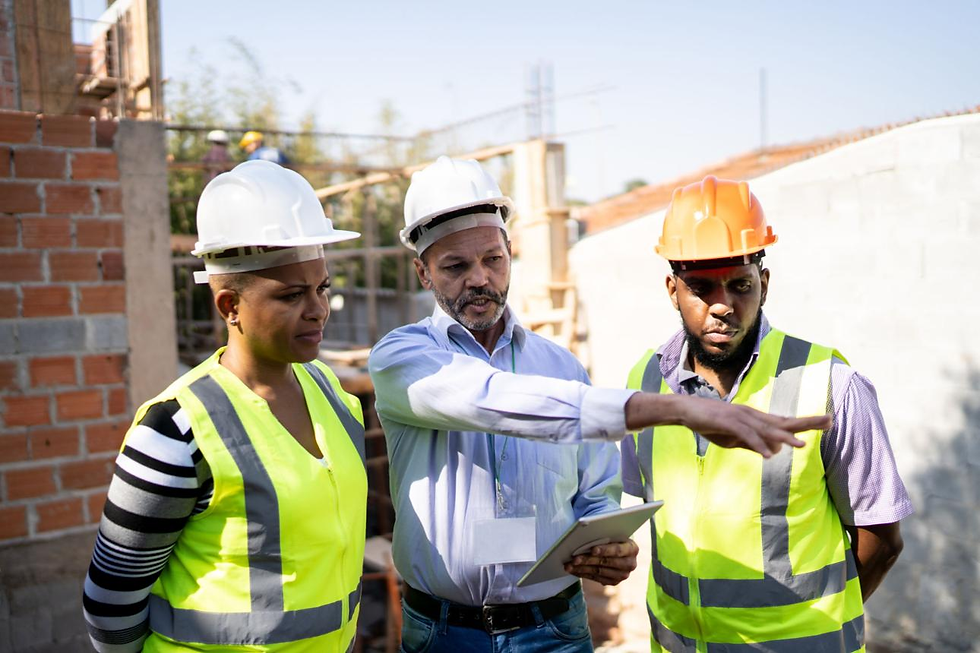
Workers and supervisors should clearly understand housekeeping expectations and responsibilities.
Defined standards for waste disposal, storage, cleaning schedules, and pathway management improve discipline and site organization.
Organizing Material Storage Properly
Improper storage increases the risk of material damage, wastage, and accidents.
Engineers should ensure that materials are stacked safely, labeled properly, and stored in designated areas.
Conducting Regular Site Inspections and Cleaning Activities
Regular inspections help maintain housekeeping standards consistently throughout the project.
Daily cleaning activities and waste removal prevent accumulation of debris and improve overall site efficiency.

Building a Culture of Cleanliness and Safety
Good housekeeping should become part of site culture rather than an occasional activity.
Encouraging workers to maintain clean work areas and report unsafe conditions improves both safety and teamwork.
Conclusion
Poor site housekeeping can seriously affect construction safety, productivity, and project organization, but it can be controlled through clear standards, regular inspections, organized storage, and workforce awareness.
By maintaining clean and disciplined work environments, civil engineers can improve operational efficiency, reduce risks, and create more professional construction sites.
Effective housekeeping management is a fundamental part of successful construction project execution.


Comments