
How to Handle Material Wastage on Construction Sites: A Civil Engineer’s Practical Guide
- Anjali Regmi
- May 15
- 2 min read

Introduction
Material wastage is one of the most common and costly problems on construction projects. Excessive wastage of cement, steel, concrete, bricks, tiles, wood, and other materials increases project costs, reduces profitability, and affects overall resource efficiency.
Material wastage may occur due to poor planning, improper storage, careless handling, rework, or lack of supervision. For civil engineers, controlling wastage is essential to maintain cost efficiency, productivity, and sustainable construction practices.
Identifying Common Sources of Material Wastage
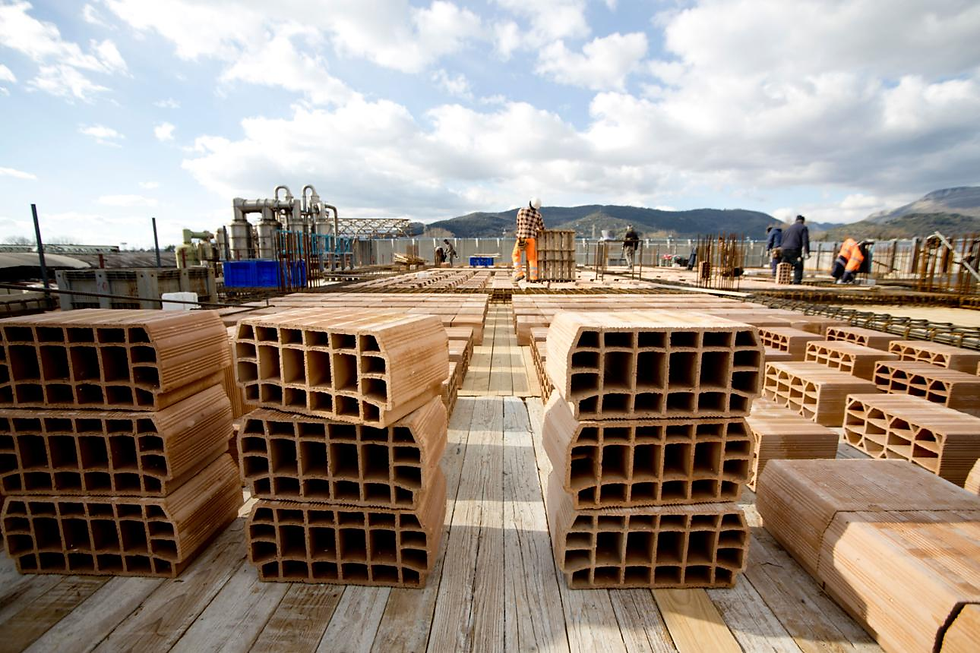
Wastage often occurs during transportation, storage, cutting, mixing, handling, or due to incorrect execution and rework.
Identifying where and how materials are being wasted helps engineers implement targeted control measures.
Improving Material Planning and Estimation
Accurate estimation reduces unnecessary procurement and excess stock on site.
Engineers should calculate material requirements carefully based on drawings, specifications, and project schedules to avoid over-ordering or shortages.
Ensuring Proper Material Storage and Handling
Improper storage can damage materials due to moisture, contamination, or physical breakage.
Engineers should ensure that materials are stored safely, covered properly, and handled carefully during transportation and usage.
Reducing Rework Through Better Quality Control
Rework is a major cause of material wastage on construction sites.
Proper supervision, accurate execution, and regular quality inspections help reduce mistakes and prevent unnecessary material loss.
Monitoring Daily Material Consumption

Regular monitoring helps engineers compare actual consumption with estimated requirements.
This allows early identification of abnormal wastage and improves overall material management efficiency.
Training Workers on Efficient Material Usage
Workers should understand the importance of careful material usage and proper handling practices.
Training and awareness programs help improve accountability and reduce careless wastage on site.

Conclusion
Material wastage can significantly increase construction costs and reduce project efficiency, but it can be controlled through accurate planning, proper storage, quality supervision, regular monitoring, and workforce awareness.
By managing materials responsibly, civil engineers can improve productivity, reduce unnecessary expenses, and support more efficient construction practices.
Effective material management is a key part of successful and sustainable construction project execution.


Comments