
How to Handle Delays in Site Inspections on Construction Projects: A Civil Engineer’s Practical Guide
- Anjali Regmi
- May 18
- 2 min read

Introduction
Site inspections are an essential part of construction projects. Inspections ensure that work is executed according to approved drawings, specifications, quality standards, and safety requirements. However, delays in inspections are common and can significantly affect project timelines and workflow continuity.
When inspections are postponed or approvals are delayed, ongoing activities may stop, labor productivity decreases, and project coordination becomes more difficult. For civil engineers, managing inspection delays efficiently is important for maintaining smooth project execution.
Understanding the Causes of Inspection Delays

Inspection delays may occur due to unavailable inspectors, incomplete documentation, unfinished work, scheduling conflicts, or communication gaps between project stakeholders.
Understanding the actual cause helps engineers respond appropriately and improve coordination.
Preparing Inspection Requirements in Advance
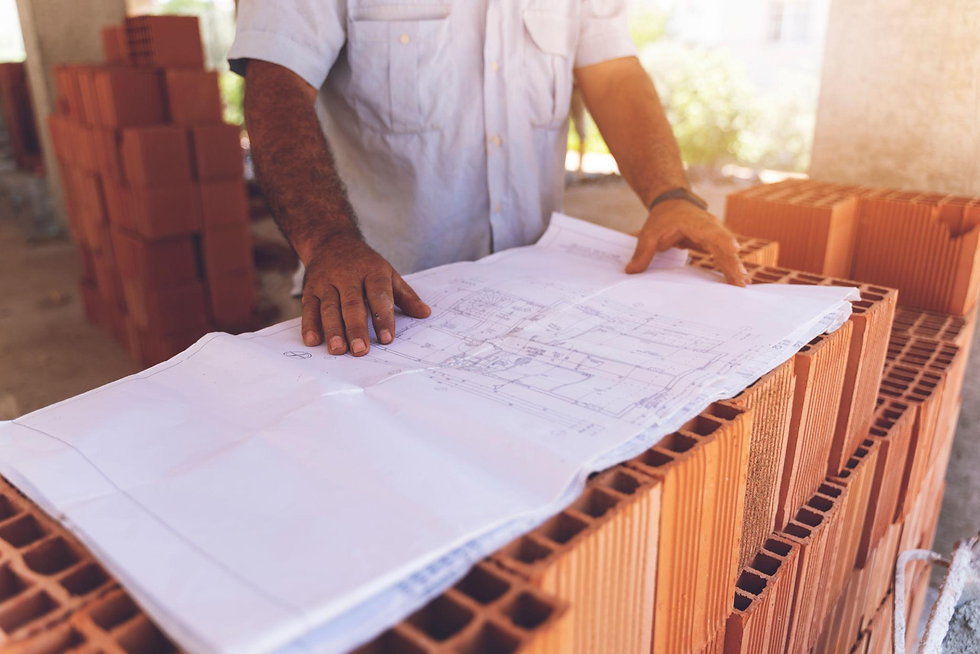
Proper preparation reduces the risk of inspection rejection or postponement.
Engineers should ensure that work is completed properly, drawings are updated, and all required documents are ready before requesting inspections.
Coordinating Inspection Schedules Properly

Inspection activities should be coordinated carefully with consultants, quality teams, contractors, and clients.
Advance scheduling helps reduce waiting time and improves overall project planning.
Following Up Professionally and Consistently

Regular follow-ups help prevent inspection requests from being overlooked.
Engineers should maintain professional communication and keep written records of inspection requests and responses.
Adjusting Work Sequences During Inspection Delays

When inspections are delayed, engineers should continue activities that are not dependent on pending approvals whenever possible.
Flexible planning helps maintain productivity and reduces complete work stoppage on site.
Maintaining Proper Documentation of Inspection Activities
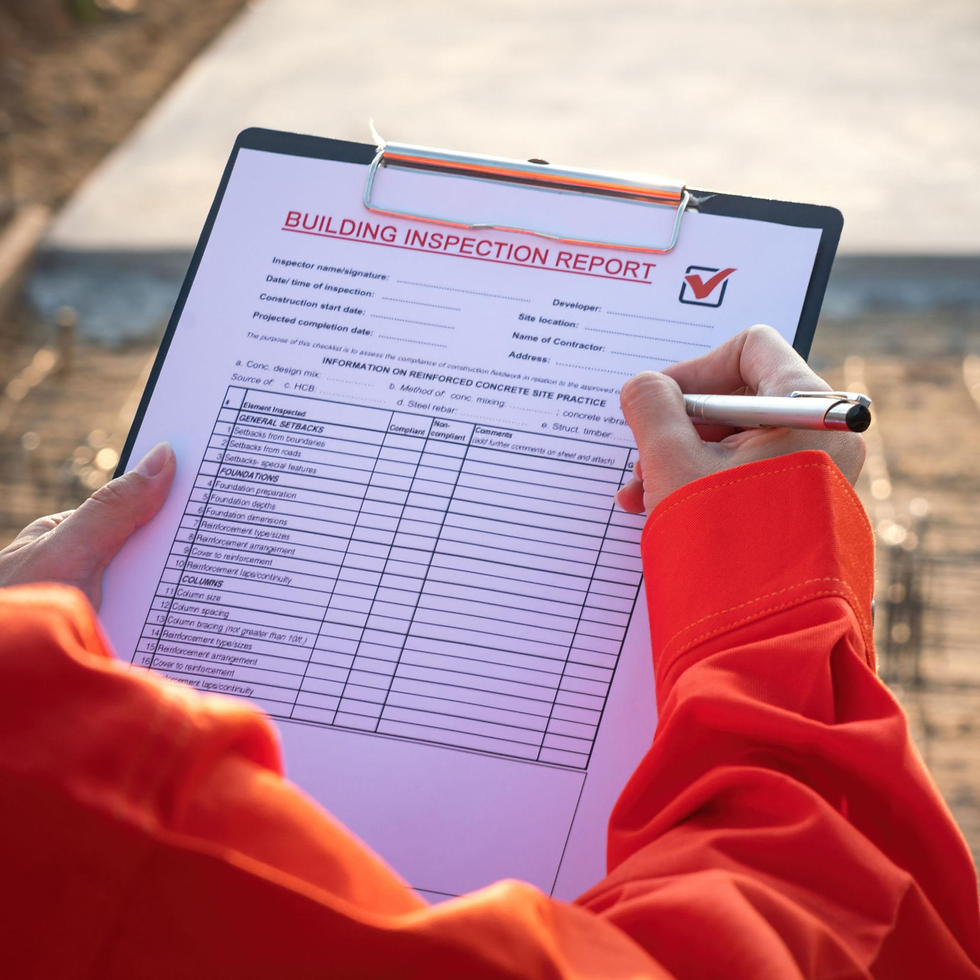
All inspection requests, approvals, comments, and corrective actions should be documented properly.
Accurate records improve accountability and support future project coordination or dispute resolution.
Conclusion
Delays in site inspections can affect construction productivity, quality control, and project schedules, but they can be managed effectively through preparation, coordination, professional follow-ups, and flexible workflow planning.
By maintaining organized inspection systems and strong communication with stakeholders, civil engineers can minimize disruptions and ensure smoother project execution.
Effective inspection management is an important part of successful construction project leadership.


Comments