
How to Handle Delays Caused by Late Material Deliveries: A Civil Engineer’s Practical Guide
- Anjali Regmi
- May 10
- 2 min read

Introduction
Late material deliveries are one of the most common causes of delays in construction projects. When essential materials such as cement, steel, bricks, tiles, or electrical items do not arrive on time, site activities slow down, labor productivity decreases, and project schedules are disrupted.
For civil engineers, effective coordination and planning are essential to minimize the impact of such delays and maintain smooth project execution.
Understanding the Causes of Late Deliveries

Material delivery delays can occur due to transportation issues, supplier shortages, incorrect orders, weather conditions, payment disputes, or poor procurement planning.
Identifying the exact reason helps engineers take corrective measures quickly and avoid repeated delays.
Planning Procurement in Advance
Advance procurement planning is one of the best ways to avoid delivery delays.
Engineers should estimate material requirements carefully, place orders early, and maintain sufficient lead time for transportation and supplier processing.
Maintaining Regular Coordination with Suppliers
Regular follow-ups with suppliers help track delivery progress and identify issues early.
Engineers should maintain continuous communication regarding dispatch schedules, transportation updates, and expected arrival times.
Keeping Buffer Stock for Critical Materials
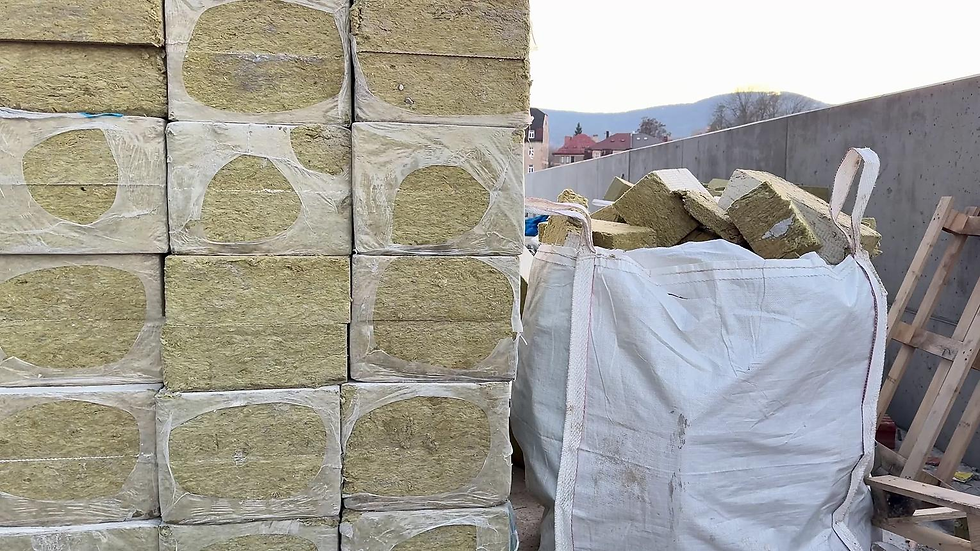
Maintaining a buffer stock for frequently used or critical materials reduces the risk of complete work stoppage.
This is especially important for materials that are difficult to procure quickly during emergencies.
Adjusting Work Sequences During Delays
When materials are delayed, engineers should reorganize site activities to maintain productivity.
Alternative tasks that do not depend on the delayed materials can continue while waiting for delivery.
Monitoring Supplier Performance for Future Projects

Supplier performance should be reviewed regularly based on delivery reliability, quality, and responsiveness.
Working with dependable suppliers improves long-term project efficiency and reduces future procurement risks.
Conclusion
Late material deliveries can significantly affect project timelines and productivity, but proper planning and coordination can reduce their impact.
By planning procurement early, maintaining supplier communication, keeping buffer stock, and adjusting workflows effectively, civil engineers can manage delivery delays professionally and keep projects progressing smoothly.
Efficient material coordination is a critical part of successful construction management.


Comments