
How to Handle Construction Delays Effectively: A Practical Guide for Civil Engineers
- Anjali Regmi
- Apr 17
- 2 min read

Introduction
Delays are one of the most common challenges in construction projects. No matter how well a project is planned, unexpected issues such as weather conditions, material shortages, or coordination problems can disrupt timelines.
For civil engineers, the ability to handle delays effectively is a critical skill. It not only impacts project completion but also affects cost, client satisfaction, and overall reputation.
Identifying the Root Cause of Delay

The first step in managing delays is understanding why they occurred. Delays can result from poor planning, lack of resources, design changes, or external factors like weather.
Instead of reacting immediately, engineers should analyze the situation carefully. Identifying the root cause helps in choosing the right solution and prevents similar issues in the future.
Communicating the Issue Clearly
Once the cause is identified, clear communication becomes essential. Engineers must inform all relevant stakeholders, including contractors, supervisors, and clients.
Transparent communication builds trust and ensures that everyone is aware of the situation. It also helps in aligning efforts to resolve the delay efficiently.
Revising the Project Plan
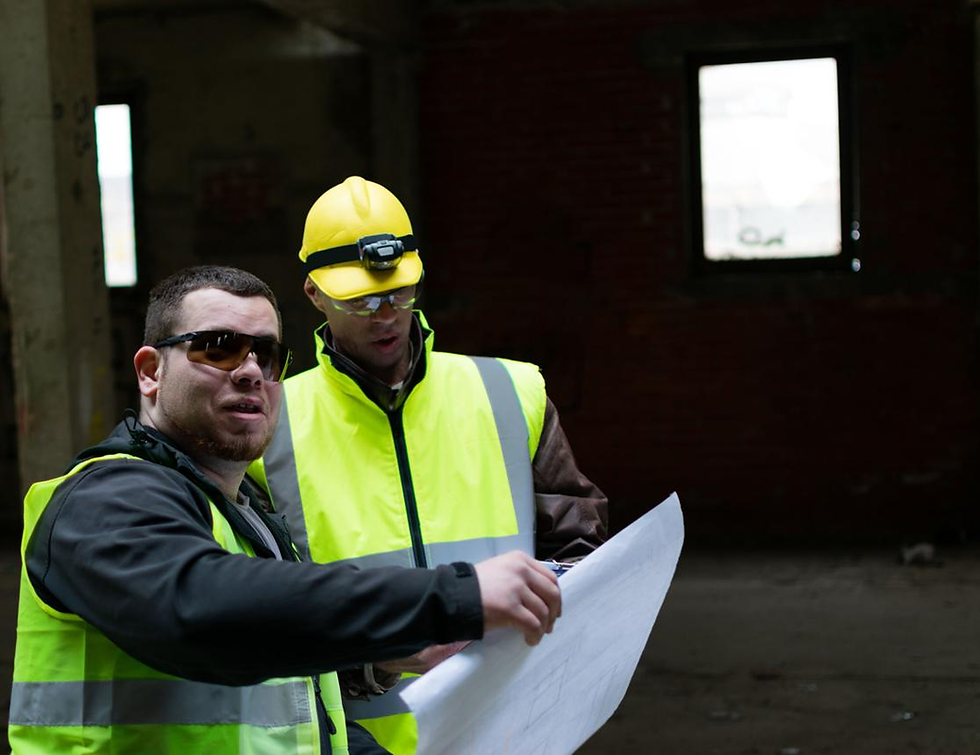
After understanding the delay, the next step is to adjust the project schedule. Engineers may need to resequence activities, extend working hours, or allocate additional resources.
A revised plan should be practical and achievable. The goal is not just to catch up but to ensure that the remaining work proceeds smoothly without further disruptions.
Managing Resources Efficiently
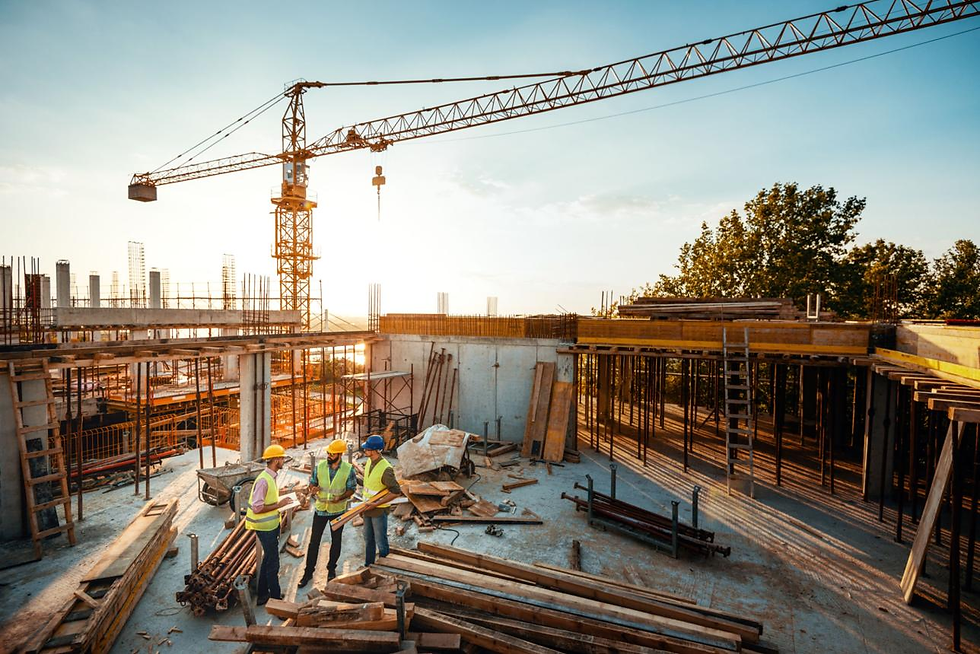
Delays often require better resource management. This may involve increasing manpower, arranging materials faster, or optimizing equipment usage.
Efficient resource allocation can significantly reduce the impact of delays and help bring the project back on track.
Preventing Future Delays
Handling a delay is important, but preventing future delays is even more valuable. Engineers should learn from each situation and improve planning, communication, and monitoring practices.
Regular site inspections, proper scheduling, and proactive problem-solving can minimize the chances of delays in future projects.
Staying Calm Under Pressure
Construction delays can create pressure from clients and management. In such situations, staying calm and focused is essential.
Engineers who handle pressure well are better at making decisions and managing teams effectively. Panic only worsens the situation, while a composed approach leads to better outcomes.
Conclusion
Delays are an inevitable part of construction, but they do not have to derail a project. With the right approach identifying causes, communicating clearly, revising plans, and managing resources engineers can handle delays effectively.
For civil engineers, mastering this skill not only improves project performance but also builds trust and credibility in the industry.


Comments