
How to Handle Client Ghosting and Payment Delays: A Civil Engineer’s Real-World Survival Guide
- Anjali Regmi
- May 2
- 2 min read

Introduction
Client ghosting and delayed payments are among the most difficult challenges faced by civil engineers, especially those working independently or offering consultancy services. A project may begin smoothly, communication may appear clear, and work may be completed on time, but suddenly the client stops responding. In many cases, payments are also delayed without explanation.
This situation can disrupt workflow, create financial stress, and affect professional confidence. Therefore, it is essential for civil engineers to understand how to prevent such situations and handle them effectively when they occur.
Recognizing Early Warning Signs
Client ghosting rarely happens without warning. In most cases, there are early signs that indicate potential problems. These may include delayed responses, unclear communication, avoidance of important questions, or a lack of commitment to timelines and approvals.
By paying attention to these patterns early in the project, engineers can take preventive action instead of being caught off guard later.
Securing Advance Payment Before Starting Work
One of the most effective ways to protect against payment delays is to secure an advance before starting any work. A partial upfront payment ensures that the client is serious and committed to the project.
It also provides financial security for the engineer and reduces the risk of working without compensation. Professionals should make it a standard practice to begin work only after receiving a mutually agreed advance.
Maintaining Structured and Clear Communication

Clear and structured communication plays a crucial role in avoiding misunderstandings. Engineers should ensure that project scope, timelines, deliverables, and payment terms are clearly defined and documented from the beginning.
Regular updates should be shared with the client, and all important discussions should be confirmed in writing. This approach not only builds professionalism but also reduces confusion and potential disputes.
Handling Lack of Response Professionally
When a client stops responding, it is important to remain calm and professional. Instead of reacting emotionally, engineers should send polite follow-up messages at reasonable intervals.
A structured follow-up strategy, such as checking in after a few days, helps maintain professionalism while keeping communication active. This increases the chances of re-engagement without damaging the relationship.
Establishing Payment Milestones

Relying on a single final payment increases financial risk. Instead, engineers should divide the project into phases and link each phase with a payment milestone.
This ensures that payments are received progressively as the work advances. It also keeps the client engaged and reduces the likelihood of complete non-payment.
Knowing When to Pause or Stop Work
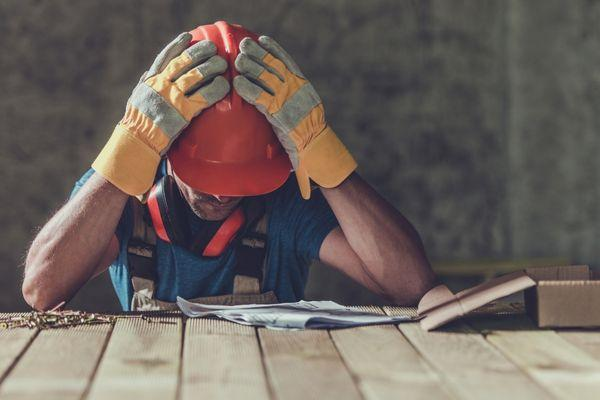
If communication stops and payments are delayed, continuing work without clarity can lead to further losses. Engineers must recognize when it is appropriate to pause or stop work until the issue is resolved.
Setting such boundaries demonstrates professionalism and self-respect. It also encourages clients to take the situation seriously and respond accordingly.
Conclusion
Client ghosting and payment delays are challenging but manageable aspects of professional practice in civil engineering. By recognizing early warning signs, securing advance payments, maintaining structured communication, and setting clear payment milestones, engineers can significantly reduce their risk.
Equally important is the ability to remain professional, patient, and firm when issues arise. Protecting time, effort, and financial stability is not only necessary for individual success but also for building a sustainable and respected professional career.


Comments