
How to Conduct Toolbox Talks on Construction Sites: A Civil Engineer’s Guide
- Anjali Regmi
- Apr 20
- 2 min read

Introduction
Toolbox talks are short safety meetings conducted on construction sites, usually before the start of work. These sessions play a crucial role in ensuring that workers understand potential hazards, safety procedures, and best practices.
For civil engineers, conducting effective toolbox talks is essential for maintaining a safe work environment and preventing accidents.
Understanding the Purpose of Toolbox Talks
The primary purpose of a toolbox talk is to raise awareness about safety. It helps workers understand the risks associated with their tasks and how to avoid them.
These talks also reinforce safety culture on site, ensuring that everyone remains alert and responsible.
Preparing for the Talk
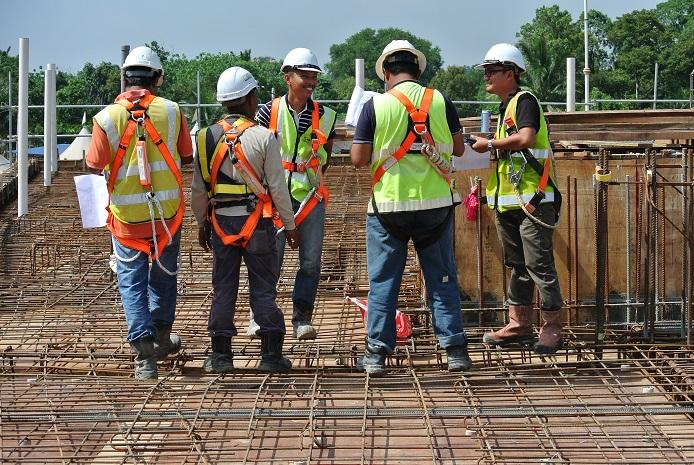
Preparation is key to delivering an effective toolbox talk. Engineers should identify the topic based on current site activities and potential hazards.
Having a clear structure and key points ensures that the message is delivered effectively and efficiently.
Communicating Clearly with Workers

Toolbox talks should be simple and easy to understand. Engineers must avoid technical jargon and use clear language.
The goal is to ensure that every worker understands the instructions, regardless of their skill level or experience.
Engaging Workers in the Discussion
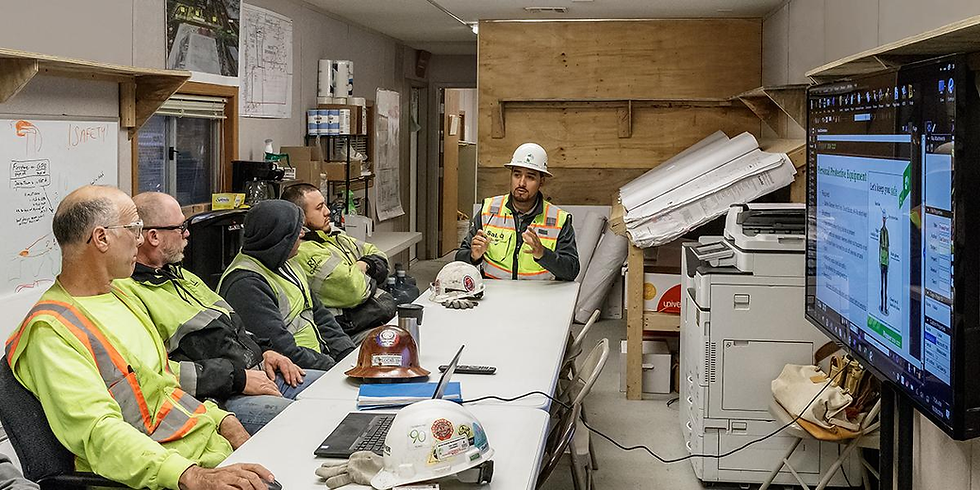
An effective toolbox talk is not a one-way communication. Engineers should encourage workers to ask questions and share their experiences.
This interaction helps in better understanding and creates a more engaging environment.
Focusing on Relevant Safety Topics
Topics should be directly related to ongoing site activities. For example, if concreting work is planned, the talk can focus on handling equipment and preventing accidents.
Relevant topics make the discussion more practical and useful for workers.
Keeping It Short and Effective
Toolbox talks are meant to be brief. Long and complicated discussions can reduce attention and effectiveness.
Keeping the talk concise ensures that workers remain focused and retain the information.
Recording and Following Up
Engineers should maintain records of toolbox talks, including topics discussed and attendance.
Follow-ups help ensure that safety practices are being implemented and maintained on site.
Conclusion
Toolbox talks are a simple yet powerful tool for improving safety on construction sites. By preparing well, communicating clearly, and engaging workers, civil engineers can conduct effective safety briefings.
For engineers, mastering this practice not only prevents accidents but also builds a strong safety culture and professional credibility.


Comments