
How to Choose the Right Site Training or Internship as a Civil Engineer
- Anjali Regmi
- Jan 23
- 3 min read

For civil engineering students and freshers, site training or internship is the first real exposure to the construction industry. It is during this phase that theory meets reality. Unfortunately, many students choose internships casually, based on convenience, certificates, or short duration without realizing how critical this decision is for their future career.
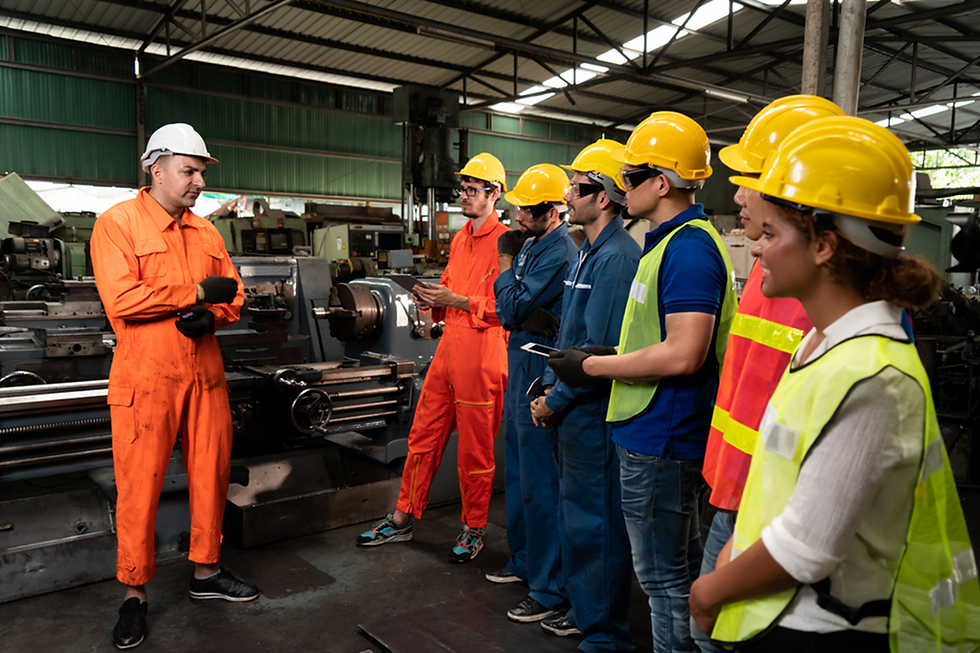
The right site training builds confidence, practical understanding, and employability. The wrong one results in wasted time and confusion. This blog explains how to choose the right site training or internship as a civil engineer, what to look for, what to avoid, and how to maximize learning from site exposure.
Why Site Training Is Crucial for Civil Engineers
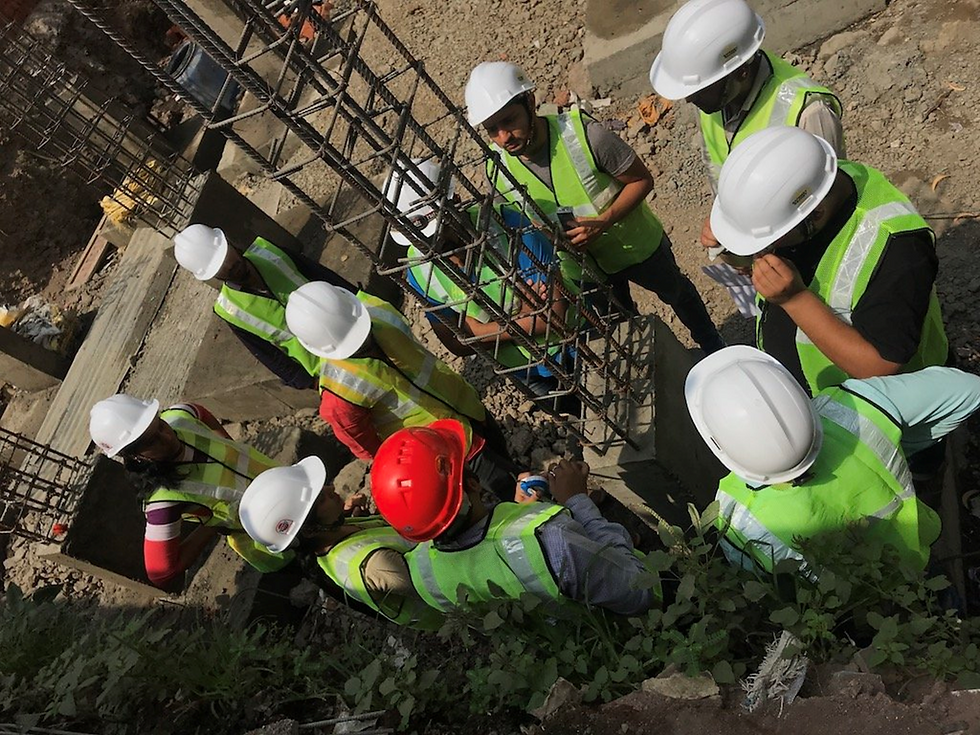
Civil engineering is an execution-driven profession. No matter how strong your academic background is, you cannot understand construction without site exposure.
Site training helps you:
Understand construction sequence
Learn how drawings are executed
Observe quality and safety practices
Develop site discipline and professionalism
Build confidence to handle real work
Companies expect freshers to have at least basic site awareness, and internships are the only way to gain it early.
What Is Site Training or Internship in Civil Engineering?
Site training is a short-term practical learning period where students work on live construction projects under supervision. It may be part of:
College-mandated training
Summer or winter internship
Post-graduation training
The purpose is learning, not earning or certification.
Key Factors to Consider While Choosing Site Training
1. Type of Project Matters
Choose projects that are in active execution stages, such as:
Residential or commercial buildings
Infrastructure projects (roads, bridges, metro)
Avoid sites that are:
Almost completed
Only excavation or only finishing stages
Exposure to RCC, formwork, reinforcement, and concreting is essential for beginners.
2. Learning Exposure Is More Important Than Company Name
Many students choose internships only based on brand value. While company reputation helps, learning exposure matters more.
Ask yourself:
Will I be allowed on site daily?
Will I observe actual execution?
Will engineers explain work to trainees?
A small contractor with good exposure is better than a large company where interns only observe from a distance.
3. Presence of Qualified Engineers on Site
Good site training requires guidance.
Ensure:
Site engineers are present regularly
Engineers are willing to explain work
You are not left only with supervisors or labor
Learning directly from engineers helps you understand technical reasoning, not just activities.
4. Duration of Site Training
Short internships of 7–10 days provide very limited learning. Ideally:
Minimum duration: 3–4 weeks
Better duration: 6–8 weeks
Longer duration allows you to:
Observe full construction cycles
Understand sequencing
Build familiarity with drawings and execution
5. Hands-On Involvement vs Passive Observation
Good site training allows you to:
Observe reinforcement checking
Assist in measurements
Understand concreting procedures
Follow safety practices
Avoid internships where:
You only sit in the office
You only take photos
You are given irrelevant tasks
Learning happens through active observation and involvement.
What You Should Learn During Site Training
A good site training should help you understand:
Reading basic drawings
Construction sequence
RCC components and their execution
Quality control basics
Site safety rules
Role of different site personnel
Even partial exposure to these areas adds significant value.
What to Avoid While Choosing Site Training
Choosing training only for certificate
Paying high fees without learning assurance
Selecting sites without engineers
Ignoring safety conditions
Avoiding site work due to discomfort
Site training is meant to be challenging—it prepares you for real work.
How to Maximize Learning During Site Training
To get the most out of your internship:
Maintain a site diary
Ask questions politely
Observe before asking
Note construction sequences
Relate site work to theory subjects
Curiosity and discipline determine how much you learn.
How Site Training Helps in Interviews
Interviewers often ask:
Where did you do site training?
What work did you observe?
What did you learn on site?
Candidates who explain site exposure clearly are seen as job-ready, even if they are freshers.
Site Training vs Office Internship
For freshers:
Site training builds foundation
Office roles can come later
Understanding execution first makes you a better planner, designer, or manager later.
Common Mistakes Students Make During Site Training
Staying silent and disengaged
Treating training casually
Avoiding safety rules
Expecting spoon-feeding
Site learning requires initiative and responsibility.
Conclusion
Choosing the right site training or internship is one of the most important early career decisions for a civil engineer. The right exposure builds confidence, clarity, and employability. The wrong choice delays learning and career growth.
Civil engineers who invest time in quality site training understand construction better, perform better in interviews, and grow faster professionally.
In civil engineering, strong foundations are built on site—and so are strong careers.


Comments