
HOW TO BUILD CONFIDENCE AS A CIVIL ENGINEERING STUDENT WITHOUT TOP COLLEGE EXPOSURE
- Anjali Regmi
- Jan 29
- 3 min read

INTRODUCTION
Many civil engineering students measure their confidence by the reputation of their college. Those studying in institutions outside the top tier often feel disadvantaged, assuming fewer opportunities and limited recognition. This mindset quietly affects performance, participation, and career decisions. In reality, civil engineering is a profession where confidence is built through understanding, exposure, and discipline rather than college branding.
Confidence is not an inherited trait or a campus benefit. It is a skill developed through deliberate actions over time. This blog explains how civil engineering students can build genuine professional confidence even without top college exposure and prepare themselves for successful careers.
UNDERSTANDING WHERE CONFIDENCE REALLY COMES FROM
True confidence in civil engineering comes from clarity, not comparison. Students who understand fundamentals feel secure regardless of their background. Concepts such as load behavior, material response, basic construction sequences, and safety principles form the backbone of engineering judgment.
When students focus on mastering basics instead of worrying about rankings, confidence grows naturally. Understanding why things work builds inner assurance that does not depend on external validation. This clarity allows students to participate actively, ask questions, and accept challenges without fear.
USING SITE EXPOSURE TO BUILD PRACTICAL CONFIDENCE
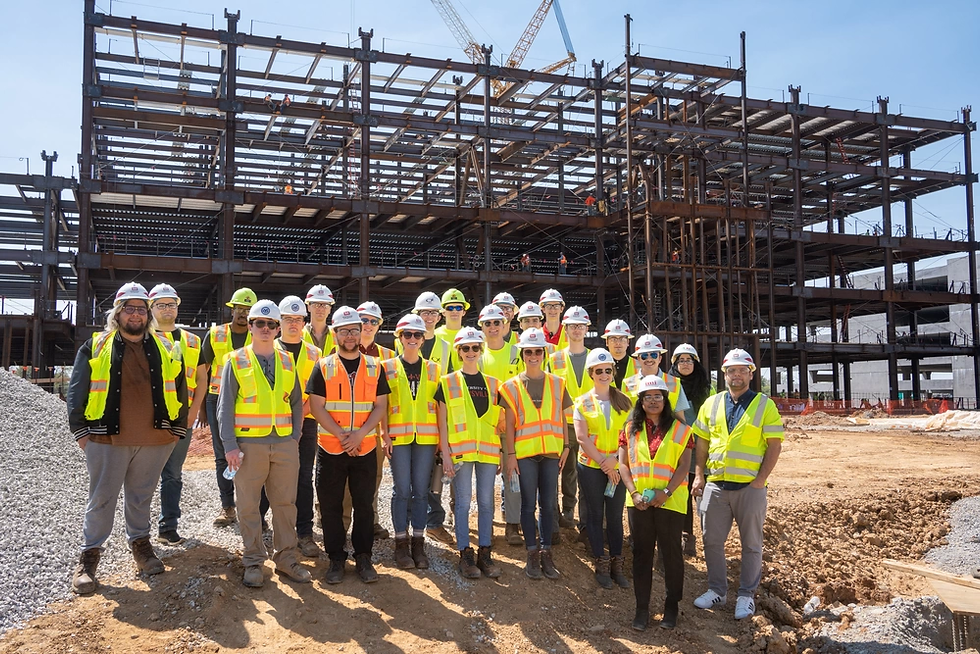
Site exposure is one of the most powerful confidence builders for civil engineering students. Internships, site visits, and practical training transform theoretical knowledge into real understanding. Observing reinforcement work, concrete placement, curing practices, and safety measures makes engineering tangible.
Students without elite college exposure often have greater access to local projects and internships. Using these opportunities actively builds confidence that textbooks alone cannot provide. Practical understanding reduces hesitation and increases professional readiness.
BUILDING CONFIDENCE THROUGH DISCIPLINE AND CONSISTENCY
Confidence grows through consistency. Regular study, disciplined routines, and gradual improvement create stability. Students who revise concepts, maintain notes, and reflect on learning progress feel prepared rather than anxious.
Discipline also includes punctuality, responsibility during internships, and respect for safety practices. These habits create self trust, which is the foundation of confidence. Confidence built on preparation lasts longer than confidence based on comparisons.
LEARNING FROM PROFESSIONALS RATHER THAN PEERS ALONE
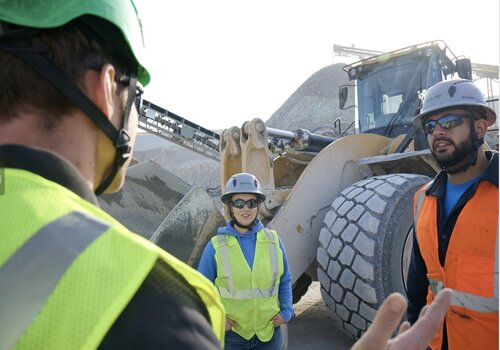
Students often compare themselves only with peers, which amplifies insecurity. Learning from practicing engineers provides a more realistic benchmark. Interacting with site engineers, supervisors, and project managers exposes students to practical expectations and career paths.
Professionals value curiosity and willingness to learn more than college names. Students who seek guidance gain clarity and confidence about what truly matters in the industry.
SHIFTING FROM COLLEGE IDENTITY TO PROFESSIONAL IDENTITY
As students progress, they must gradually shift identity from college based labels to professional self image. Confidence grows when students start thinking like engineers rather than students. This includes taking ownership of learning, understanding responsibilities, and respecting professional standards.
Civil engineering rewards behavior and competence more than background. Students who adopt professional thinking early feel more confident entering the workforce.
HANDLING COMPARISON AND SELF DOUBT
Comparison is a natural tendency, but it must be managed consciously. Every engineer follows a different learning curve. Some have early exposure, others build strength gradually.
Confidence grows when students focus on personal progress rather than external benchmarks. Measuring growth against yesterday’s understanding rather than someone else’s achievements creates healthier motivation.
CONFIDENCE IN INTERVIEWS AND EARLY CAREER STAGES
Interview confidence does not depend on college reputation alone. Interviewers assess clarity of thought, practical understanding, and attitude. Students who explain concepts clearly and show willingness to learn leave strong impressions.
Confidence in interviews comes from preparation and honesty, not exaggeration. Students who acknowledge learning gaps while demonstrating commitment appear mature and reliable.
LONG TERM VIEW ON CONFIDENCE AND CAREER GROWTH

In civil engineering, confidence evolves with experience. Early insecurities fade as engineers handle responsibilities, solve problems, and see the impact of their decisions. College background becomes irrelevant within a few years of professional practice.
Students who focus on learning and discipline today become confident professionals tomorrow. Confidence built slowly is stronger and more resilient.
CONCLUSION
Confidence in civil engineering is not gifted by elite colleges. It is built through understanding fundamentals, gaining site exposure, practicing discipline, and adopting professional thinking. Students without top college exposure often have the advantage of resilience and adaptability.
By focusing on learning rather than labels, civil engineering students can build confidence that sustains long careers. In a profession grounded in reality, confidence comes from competence, not comparison.


Comments