
HOW ENGINEERS SHOULD HANDLE CONFLICTING PRIORITIES ON SITE
- Anjali Regmi
- Feb 6
- 3 min read

INTRODUCTION
Civil engineering sites operate under constant tension between competing priorities. Safety demands caution, quality demands discipline, time demands speed, and cost demands efficiency. These priorities rarely align perfectly. Engineers are expected to balance them while keeping projects moving forward. This balancing act is one of the most difficult and defining aspects of civil engineering practice.
Many site problems arise not from lack of knowledge but from poor prioritization. Engineers who cannot navigate conflicting priorities make reactive decisions that create long term consequences. This blog explains how engineers should handle conflicting priorities on site and why prioritization is a core professional skill.
WHY CONFLICTING PRIORITIES ARE INEVITABLE
Construction projects exist within constraints. Limited budgets, fixed timelines, and contractual obligations create pressure. Safety and quality requirements add further demands. When resources are finite, improving one priority often strains another.
Conflicting priorities are not signs of poor management. They are structural realities of construction. Engineers who accept this reality think more clearly than those who search for perfect alignment.

COMMON PRIORITY CONFLICTS ON SITE
The most common conflict is between time and safety. Accelerating work often increases risk. Another frequent conflict occurs between cost and quality, where pressure to reduce expenses tempts compromises.
Engineers also face coordination conflicts where one activity delays another. Understanding these patterns allows engineers to anticipate stress points rather than react emotionally.
WHY WRONG PRIORITIZATION CAUSES FAILURE
Failures often result from prioritizing urgency over importance. When engineers focus only on speed, safety incidents increase. When cost dominates decisions, quality deteriorates.
Wrong prioritization creates cascading effects. Short term gains lead to long term damage. Engineers must recognize that some priorities are negotiable while others are not.
ESTABLISHING A PRIORITY HIERARCHY
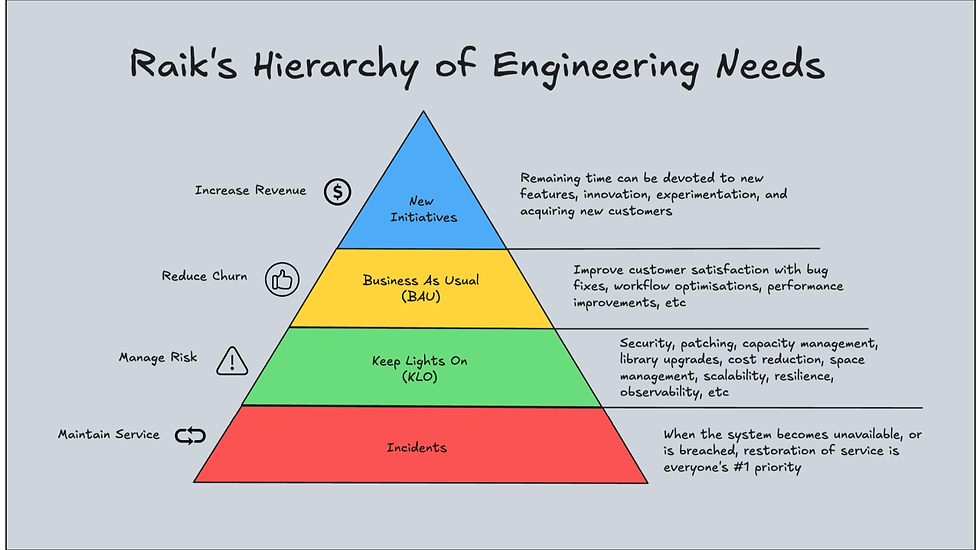
Experienced engineers follow an implicit hierarchy. Safety is non negotiable. Quality defines long term performance. Time and cost are flexible within limits.
Establishing this hierarchy provides clarity. When conflicts arise, decisions align with values rather than pressure. Engineers who lack hierarchy become reactive.
ROLE OF ENGINEERING JUDGMENT
Judgment determines how priorities are balanced in specific situations. Engineers must assess risk, consequence, and reversibility.
Some delays are recoverable. Some quality losses are permanent. Judgment distinguishes between acceptable compromise and unacceptable risk. This skill develops through experience and reflection.
COMMUNICATION DURING PRIORITY CONFLICTS
Clear communication reduces friction. Engineers should explain why certain priorities cannot be compromised. Framing decisions around risk and consequence builds understanding.
Poor communication escalates conflict. Calm explanation builds trust even when decisions are unpopular.
INDIAN CONTEXT AND SITE PRESSURE
In India, aggressive timelines and cost sensitivity intensify priority conflicts. Engineers often face pressure to deliver visible progress quickly.
Engineers who maintain clear priorities earn long term respect. Compromising safety or quality may appear expedient but damages credibility. Indian projects reward engineers who stand firm on fundamentals.
HOW YOUNG ENGINEERS SHOULD RESPOND
Young engineers often feel overwhelmed by conflicting demands. Learning to pause and evaluate priorities prevents impulsive decisions.
Seeking guidance from seniors is wise. Asking how experienced engineers balance priorities accelerates learning.
PRIORITY MANAGEMENT AND CAREER GROWTH
Engineers who handle conflicting priorities responsibly are trusted with greater responsibility. Poor prioritization damages reputation.
Career growth favors engineers who make consistent, principled decisions under pressure.
CONCLUSION
Conflicting priorities are unavoidable on construction sites. How engineers manage them defines professional maturity. Safety and quality must anchor decision making, while time and cost are managed responsibly.
Civil engineers who prioritize wisely protect projects, people, and their careers. In construction, knowing what comes first matters as much as knowing how to build.


Comments