
HOW CIVIL ENGINEERS SHOULD HANDLE UNCLEAR INSTRUCTIONS
- Anjali Regmi
- Feb 6
- 4 min read

INTRODUCTION
Unclear instructions are one of the most common and underestimated risks in civil engineering projects. Unlike classroom problems, real construction sites operate through verbal directions, informal discussions, hurried messages, and evolving decisions. Engineers often receive instructions that are incomplete, ambiguous, or contradictory. How an engineer responds to such instructions can determine project outcomes, safety, and personal accountability.
Many young engineers assume that following instructions is enough to protect them professionally. In reality, unclear instructions increase risk rather than reduce it. Civil engineers must learn to recognize ambiguity, respond responsibly, and protect both the project and themselves. This blog explains how civil engineers should handle unclear instructions and why this skill is essential for professional maturity.
WHY UNCLEAR INSTRUCTIONS ARE COMMON IN CONSTRUCTION

Construction projects operate under constant pressure. Deadlines, cost constraints, and coordination challenges create environments where instructions are often given quickly and informally. Senior staff may assume shared understanding that does not exist. Drawings may lag behind site changes. Decisions may be communicated verbally without documentation.
Unclear instructions are rarely intentional. They arise from complexity, urgency, and fragmented communication. Engineers who expect perfect clarity will struggle. Those who learn to manage ambiguity perform better and safer.
RISKS OF ACTING ON UNCLEAR INSTRUCTIONS
Acting on unclear instructions exposes engineers to serious risk. Incorrect execution leads to rework, delays, quality issues, and safety hazards. When problems arise, accountability often falls on the executing engineer regardless of who gave the instruction.
Unclear instructions also create legal and ethical exposure. Engineers who proceed without clarification may be accused of negligence. Silence does not transfer responsibility. Acting without clarity often means accepting hidden risk.
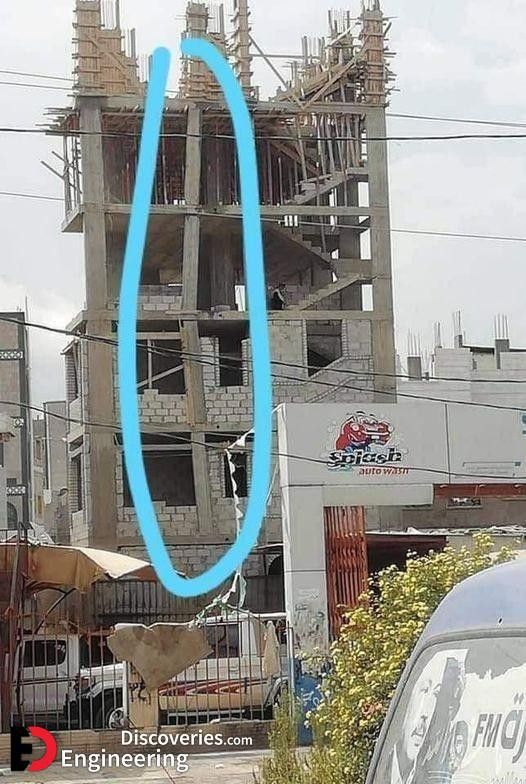
RECOGNIZING WHEN AN INSTRUCTION IS UNCLEAR
Professional engineers learn to recognize ambiguity early. Signs include missing dimensions, conflicting drawings, verbal changes without written confirmation, or instructions that contradict site conditions.
If an engineer cannot confidently explain an instruction to someone else, it is likely unclear. Discomfort or hesitation is often an early warning. Experienced engineers trust these signals and pause before proceeding.
HOW TO RESPOND PROFESSIONALLY TO UNCLEAR INSTRUCTIONS
The first step is to seek clarification calmly and professionally. Asking questions is not resistance. It is responsibility. Engineers should restate their understanding and ask for confirmation. This approach reduces defensiveness and improves clarity.
Whenever possible, clarification should be documented. A short message summarizing the instruction and requesting confirmation creates a record. Documentation transforms ambiguity into traceability and protects all parties.
If clarification is not immediately available and safety or quality is at risk, work should be paused. Proceeding blindly is never the correct choice.
IMPORTANCE OF DOCUMENTATION IN UNCLEAR SITUATIONS
Documentation is a civil engineer’s strongest safeguard when instructions are unclear. Written records capture what was communicated and when. They provide context during disputes and investigations.
Engineers should document assumptions made due to missing information and highlight unresolved concerns. This transparency demonstrates diligence and professionalism. Documentation does not delay work. It prevents future conflict.
HANDLING PRESSURE TO PROCEED WITHOUT CLARITY
Engineers often face pressure to continue work despite uncertainty. Statements such as proceed for now or we will fix it later are common. These situations test professional integrity.
Engineers must assess risk objectively. If safety or structural integrity is involved, proceeding without clarity is unacceptable. Calmly explaining the risk and requesting written direction shifts responsibility appropriately. Professional courage protects both people and careers.
INDIAN CONTEXT AND PRACTICAL REALITIES
In India, informal communication is common on construction sites. Verbal instructions and last minute changes are frequent. While this flexibility helps projects move fast, it increases ambiguity.
Indian civil engineers must balance adaptability with discipline. Confirming instructions respectfully and documenting key decisions improves outcomes without disrupting relationships. Engineers who master this balance gain trust and credibility.
ROLE OF EXPERIENCE IN HANDLING UNCLEAR INSTRUCTIONS
Experienced engineers recognize patterns of ambiguity and address them early. They know which instructions require clarification and which are routine.
They also understand when to escalate concerns and when to resolve them at site level. This judgment develops through exposure and reflection. Fresh engineers should
learn by observing how seniors manage unclear situations.
WHY FOLLOWING ORDERS IS NOT ALWAYS PROFESSIONAL
Blindly following orders does not absolve responsibility. Civil engineering is a profession, not a task based role. Engineers are expected to apply judgment.
Professional behavior involves understanding intent, evaluating risk, and acting ethically. Engineers who hide behind instructions compromise safety and credibility. Clarifying instructions is part of professional duty.
HOW STUDENTS AND YOUNG ENGINEERS CAN PREPARE
Students should understand that ambiguity is normal in practice. Developing communication skills and confidence is as important as technical learning.
During internships, students should observe how instructions are given and clarified. Asking why decisions are made builds awareness. Preparation reduces fear when real responsibility arrives.

UNCLEAR INSTRUCTIONS AND LONG TERM CAREER IMPACT
Engineers who handle unclear instructions responsibly earn trust. Supervisors rely on engineers who highlight risks early and prevent mistakes.
Those who repeatedly act on unclear directions without question develop reputations for unreliability. Over time, professional growth depends more on judgment than obedience.
CONCLUSION
Unclear instructions are an unavoidable part of civil engineering practice. How engineers respond defines their professionalism. Acting without clarity increases risk. Seeking clarification demonstrates responsibility.
Civil engineers must learn to pause, question, document, and communicate when instructions are unclear. This approach protects safety, quality, and professional integrity. In a field where decisions shape reality, clarity is not optional. It is essential.


Comments