
HOW CIVIL ENGINEERS DECIDE WHAT LEVEL OF RISK IS ACCEPTABLE
- Anjali Regmi
- Feb 6
- 3 min read

INTRODUCTION
Every civil engineering decision involves risk. Whether it is choosing a foundation type, approving a construction sequence, or accepting a material deviation, engineers constantly operate under uncertainty. Zero risk does not exist in real world construction. The true responsibility of a civil engineer lies in deciding which risks are acceptable and which are not.
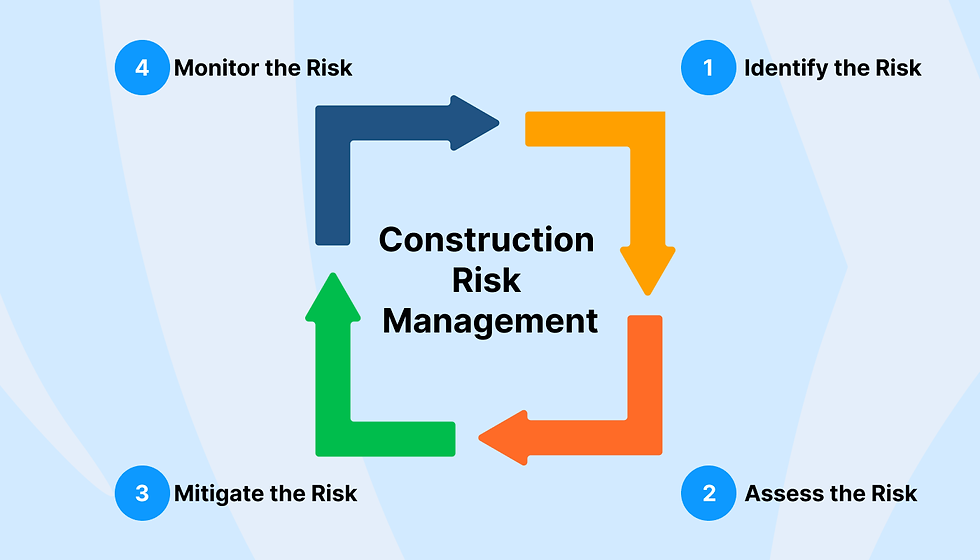
This decision making is rarely taught explicitly in classrooms. Students learn calculations and codes, but risk judgment develops only through experience and accountability. This blog explains how civil engineers decide acceptable levels of risk, why this judgment is central to the profession, and how ethical responsibility shapes these decisions.
WHAT RISK MEANS IN CIVIL ENGINEERING
Risk in civil engineering is the combination of uncertainty and consequence. It is not only about the likelihood of failure, but also about the severity of impact if failure occurs. A low probability event with catastrophic consequences may be unacceptable, while a higher probability event with minor consequences may be manageable.
Engineers assess risk across safety, durability, cost, schedule, and public impact. Understanding risk requires looking beyond calculations to real world outcomes.
WHY ZERO RISK IS NOT POSSIBLE
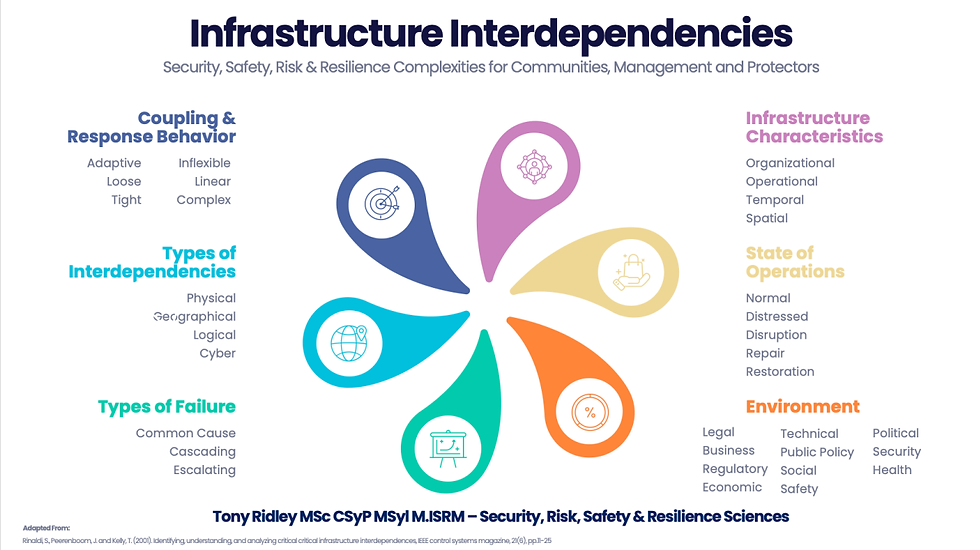
Civil engineering operates in uncontrolled environments. Soil conditions vary. Materials differ in quality. Human behavior is unpredictable. Weather disrupts plans.
Eliminating all risk would require infinite resources and time, which is impossible. Engineers must therefore manage risk rather than eliminate it. Acceptable risk is about balance, not perfection.
FACTORS THAT INFLUENCE RISK ACCEPTABILITY
The first factor is safety. Any risk that endangers human life is generally unacceptable. Engineers are ethically bound to protect users and workers.
The second factor is reversibility. Risks that can be corrected later carry different weight than those that cause permanent damage. Irreversible decisions demand higher caution.
The third factor is exposure. Infrastructure used by thousands daily requires stricter risk tolerance than limited use systems.
The fourth factor is uncertainty. When information is incomplete, engineers must assume higher risk and respond conservatively.
ROLE OF CODES AND STANDARDS IN RISK DECISIONS

Design codes embed acceptable risk through safety factors and load combinations. They represent societal agreement on minimum safety levels.
However, codes do not cover every situation. Engineers must interpret code intent and adapt it to context. Acceptable risk is not defined solely by compliance. Judgment determines whether code minimums are sufficient for specific conditions.
WHY ENGINEERING JUDGMENT IS CENTRAL TO RISK
Risk decisions cannot be automated. Software calculates responses but does not weigh consequences. Judgment connects technical analysis with real world impact.
Experienced engineers ask not only whether something works, but what happens if it fails. They evaluate worst case outcomes and decide whether society would accept those consequences. This thinking separates professionals from technicians.
CONSTRUCTION STAGE RISK VS SERVICE LIFE RISK
Risk varies across project stages. Temporary works often carry higher risk due to incomplete systems and changing loads. Engineers must treat construction stage risk seriously.
Some risks acceptable during service life may be unacceptable during construction. Engineers who ignore stage specific risk expose workers to danger. Acceptable risk must be evaluated continuously, not once.
INDIAN CONTEXT AND RISK PRESSURES
In India, risk decisions are influenced by tight schedules, cost sensitivity, and rapid urban growth. Engineers may face pressure to accept higher risk to meet deadlines.
Professional engineers must resist unsafe normalization. Public safety expectations are rising. Engineers who accept excessive risk damage trust in the profession. Indian conditions demand stronger risk awareness, not weaker.
WHY ACCEPTABLE RISK IS AN ETHICAL DECISION
Risk decisions affect people who did not consent to those risks. Users trust engineers implicitly. This trust creates ethical responsibility.
Acceptable risk must consider public welfare, not just project success. Engineers who prioritize short term gains over safety violate professional ethics. Ethical risk decisions protect dignity and life.
HOW EXPERIENCED ENGINEERS THINK ABOUT RISK
Experienced engineers are cautious not because they fear responsibility, but because they understand consequences. They have seen how small risks escalate.
They document risk decisions, consult peers, and choose conservative paths when uncertainty is high. This behavior reflects maturity, not hesitation.
HOW YOUNG ENGINEERS CAN DEVELOP RISK JUDGMENT
Young engineers should observe how seniors discuss risk. Asking why certain options are rejected builds understanding.
Studying failure cases teaches more about risk than success stories. Exposure to site realities accelerates learning.
ACCEPTABLE RISK AND CAREER RESPONSIBILITY
Engineers remain accountable long after projects end. Risk decisions made today may surface years later.
Engineers who make responsible risk decisions build lasting reputations. Those who normalize excessive risk face long term consequences.
CONCLUSION
Deciding acceptable risk is one of the most important responsibilities of a civil engineer. It requires judgment, ethics, and awareness of consequence.
Risk cannot be eliminated, but it must be managed responsibly. Civil engineers who understand this protect public safety and uphold the integrity of the profession. In civil engineering, acceptable risk is not a calculation. It is a moral and professional choice.


Comments