
How Civil Engineers Can Work Abroad: Skills, Experience & Career Path (Indian Context)
- Anjali Regmi
- Jan 21
- 3 min read

For many Indian civil engineers, working abroad is a long-term dream—better exposure, higher pay, international standards, and large-scale projects. While opportunities do exist, working abroad as a civil engineer requires the right skills, experience, and a realistic career plan. It is not an overnight move, and success depends on preparation.
This blog explains how Indian civil engineers can work abroad, covering the skills required, experience pathway, countries with demand, and a practical career roadmap.

Why Do Indian Civil Engineers Look for Overseas Jobs?
Indian civil engineers consider overseas roles for several reasons:
Better salary packages and savings potential
Exposure to international construction standards
Opportunity to work on mega infrastructure projects
Faster professional growth and responsibility
Improved work practices and safety culture
However, global employers value competence and experience, not just degrees.

Which Countries Hire Indian Civil Engineers?
Middle East (High Demand Region)
UAE, Saudi Arabia, Qatar, Oman
Strong demand due to infrastructure, metro, oil & gas, and smart city projects
Site engineers, planning engineers, QA/QC engineers are commonly hired
Australia & New Zealand
Strict licensing and skill assessment
Good demand for experienced engineers
Preference for design, project management, and compliance roles
Canada
Strong infrastructure spending
Requires credential assessment and local experience
Long-term career stability
Europe (Selective Opportunities)
Specialized roles in design, BIM, sustainability
Language and local regulations can be barriers
👉 Reality check: The Middle East is usually the first overseas destination for Indian civil engineers.
Skills Required to Work Abroad as a Civil Engineer
1. Strong Site Execution Knowledge
Global employers expect you to understand:
RCC construction practices
Reinforcement, formwork, concreting
Quality control and safety procedures
Coordination with contractors and consultants
Freshers rarely get direct overseas jobs—site experience is essential.
2. Knowledge of International Standards
You must be comfortable with:
International codes and specifications
Quality documentation and inspection methods
Safety regulations and compliance practices
Indian experience is valued only when aligned with global standards.
3. Software & Digital Skills
Software skills significantly improve overseas employability:
AutoCAD (mandatory)
Excel for reporting and tracking
Primavera / MS Project for planning roles
BIM tools for advanced roles
4. Communication & Professional Skills
Clear English communication
Reporting and documentation skills
Professional attitude and teamwork
Ability to work in multicultural environments
Soft skills are as important as technical skills.
Experience Required: How Much Is Enough?
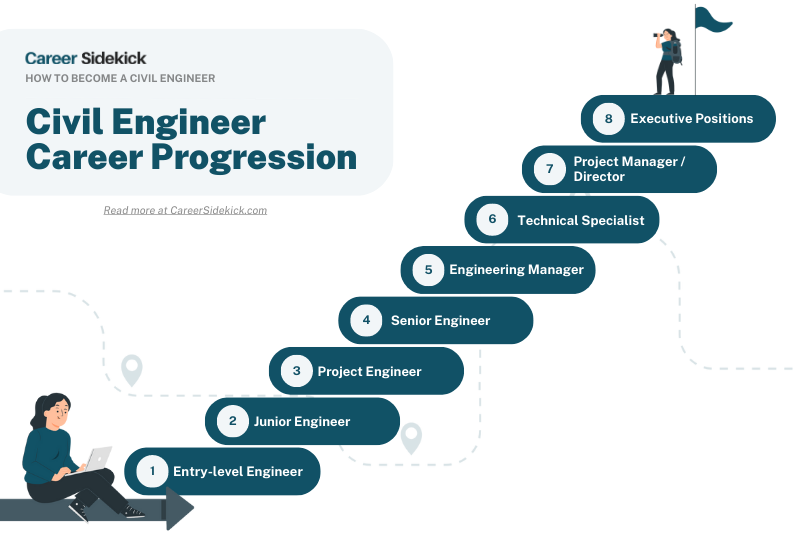
0–2 Years (Too Early)
Overseas jobs are extremely rare
Focus should be on learning, not migration
3–5 Years (Ideal Stage)
Strong site exposure
Can apply for junior to mid-level roles
Most Middle East hiring starts here
6–10 Years (High Demand Stage)
Senior engineer, planning engineer, QA/QC roles
Leadership and coordination responsibilities
Higher salary packages and stability
👉 Best time to go abroad: After building solid execution experience in India.
Career Path for Indian Civil Engineers Who Want to Work Abroad
Step 1: Start in India (Foundation Phase)
Join a reputed construction or infrastructure company
Gain real site exposure
Learn safety, quality, and execution basics
Step 2: Specialize (Skill Phase)
Choose a direction: site execution, planning, QA/QC, design
Learn relevant software
Handle responsibilities independently
Step 3: Build an International-Ready Profile
Document projects clearly
Prepare a professional CV
Highlight measurable responsibilities and results
Obtain experience certificates
Step 4: Apply Through the Right Channels
Reputed recruitment agencies
Company career portals
Professional networking
Referrals from overseas colleagues
Documents Typically Required for Overseas Jobs
Updated professional CV
Degree certificates
Experience certificates
Passport
Medical fitness reports
Police clearance (if required)
Be cautious of fake consultants promising guaranteed jobs.
Common Myths About Working Abroad
❌ Only top college graduates get overseas jobs✔ Skill and experience matter more than college name
❌ Freshers can easily get overseas site jobs✔ Employers prefer experienced engineers
❌ Only design engineers go abroad✔ Site, planning, and QA/QC roles are in high demand
Challenges Indian Engineers Face Abroad
Cultural and work-style differences
Harsh site conditions (especially in the Middle East)
Performance-driven environment
Contract-based employment
Those who adapt quickly grow faster than average.
Is Working Abroad Better Than Working in India?\

Working abroad offers:
Better pay
Faster exposure
International standards
But India offers:
Long-term stability
Growing infrastructure opportunities
Leadership roles with experience
Many engineers:
Work abroad → gain exposure → return to India in senior roles
Who Should Aim to Work Abroad?
Civil engineers who:
Enjoy site and project work
Are adaptable and disciplined
Have patience to build experience
Want international exposure
Can handle pressure and responsibility
It is not ideal for those seeking comfort or quick success.
Conclusion
Working abroad as a civil engineer is absolutely possible for Indians, but it requires planning, patience, and professional discipline. There are no shortcuts. Build strong site experience in India, specialize in a role, develop software and communication skills, and apply strategically.
For those who prepare well, overseas construction careers offer financial growth, global exposure, and long-term professional value.
In civil engineering, the world opens up to those who build strong foundations first.


Comments