
HOW CIVIL ENGINEERS CAN TRANSITION INTO PROJECT MANAGEMENT PLANNING AND CONSULTING
- Anjali Regmi
- Jan 25
- 4 min read

Most civil engineers begin their professional journey on construction sites, learning execution, supervision, and coordination through hands on experience. Over time, many engineers start looking beyond daily site operations and become interested in roles such as project management, planning, or consulting. This transition is a natural stage of career growth, but it does not happen automatically.
Moving into management, planning, or consulting requires a change in mindset and skill set. Engineers who understand this early and prepare gradually are far more successful than those who expect a sudden role change based only on experience. This blog explains how civil engineers can realistically transition into these roles in the
Indian and international context.
UNDERSTANDING THE NATURE OF PROJECT MANAGEMENT PLANNING AND CONSULTING ROLES

Project management roles focus on the overall delivery of construction projects. A project manager is responsible for ensuring that work is completed within approved time, cost, quality, and safety parameters. This role requires coordination between multiple teams, decision making under pressure, and constant communication with clients and senior management.
Planning roles are more analytical and control oriented. Planning engineers focus on project schedules, sequencing of activities, progress monitoring, and forecasting delays. While planning engineers may not be directly involved in execution every day, their work strongly influences how efficiently a project progresses.
Consulting roles focus on technical oversight and advisory services. Consultants review drawings, inspect quality, ensure compliance with specifications, and represent client interests. These roles demand strong technical clarity, documentation skills, and professional judgment.
WHY CIVIL ENGINEERS SEEK THIS TRANSITION?
As engineers gain experience, they begin to understand the physical and mental demands of continuous site work. Long working hours, high pressure environments, and repetitive execution tasks often motivate engineers to look for broader roles. Project management, planning, and consulting roles offer increased responsibility, structured work environments, and professional recognition.
This transition is not about escaping site work. It is about evolving from execution focused responsibilities to decision oriented and leadership driven roles that influence entire projects.
WHEN CIVIL ENGINEERS SHOULD CONSIDER TRANSITIONING
There is no fixed number of years after which an engineer should transition. However, engineers must ensure they have sufficient execution exposure before moving into management oriented roles. Without understanding construction sequences, site constraints, and real world challenges, planning and consulting decisions become theoretical and ineffective.
Engineers who have independently handled site responsibilities, coordinated activities, and solved on site problems are better prepared for transition. Readiness matters more than years of experience.
SKILLS REQUIRED FOR PROJECT MANAGEMENT ROLES
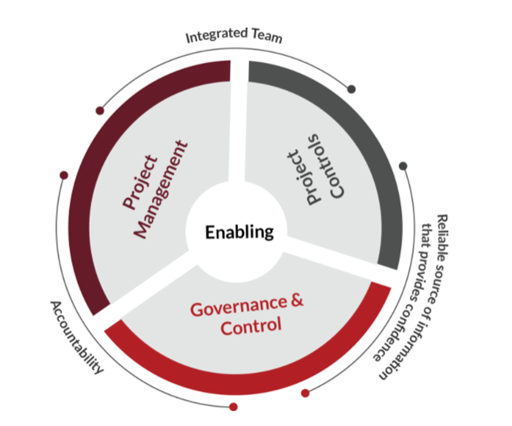
Project management requires civil engineers to think beyond individual tasks and focus on the project as a whole. This includes understanding schedules, budgets, quality requirements, safety responsibilities, and stakeholder expectations. Strong communication skills are essential, as project managers interact with clients, consultants, contractors, and internal teams regularly.
Leadership, accountability, and decision making under pressure are critical traits. Engineers who learn to balance technical knowledge with people management skills transition more smoothly into project management roles.
SKILLS REQUIRED FOR PLANNING ROLES
Planning roles demand a structured and analytical approach. Engineers must understand construction sequencing deeply to create realistic schedules. They must also track progress accurately, identify delays early, and coordinate with execution teams to resolve issues.
Planning engineers act as a bridge between site execution and senior management. Clear reporting, logical thinking, and coordination skills are essential. Engineers who enjoy analysis and organization often excel in planning roles.
SKILLS REQUIRED FOR CONSULTING ROLES
Consulting roles require strong technical foundations and professional integrity. Consultants must understand drawings, specifications, and standards in detail. They are responsible for inspecting work quality, identifying deviations, and providing unbiased technical advice.
Clear documentation and professional communication are critical, as consulting decisions often have legal and financial implications. Engineers transitioning into consulting must be confident in their technical judgment and ethical standards.
IMPORTANCE OF DOCUMENTATION AND COMMUNICATION
Across project management, planning, and consulting roles, documentation and communication play a central role. Engineers transitioning from site execution often underestimate this aspect.
Management and consulting roles rely heavily on written reports, progress updates, technical notes, and formal correspondence. Engineers who develop documentation skills early find it easier to move into these roles.
HOW CIVIL ENGINEERS CAN PREPARE FOR THIS TRANSITION
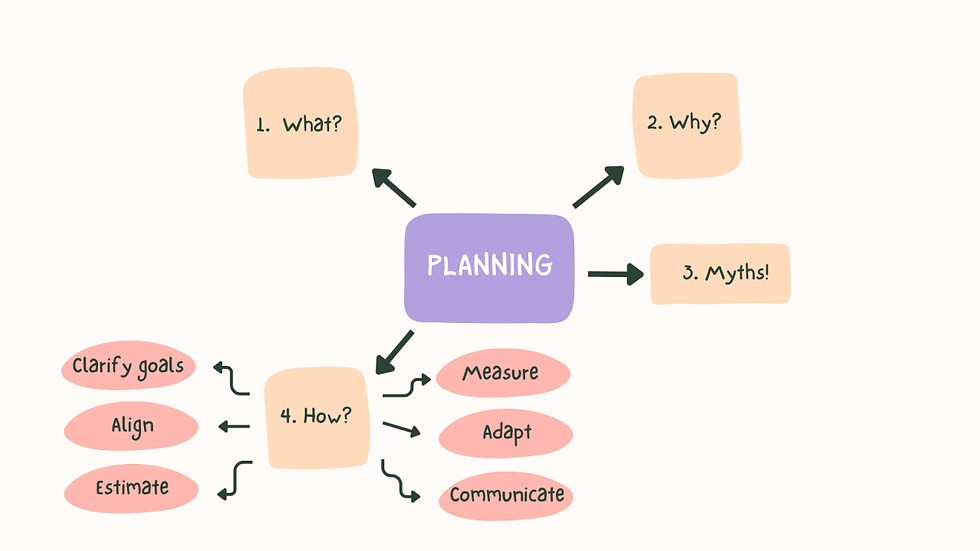
Preparation should begin while engineers are still working on site. Observing how project managers take decisions, participating in coordination meetings, and understanding planning documents helps build readiness. Engineers should actively seek opportunities to learn reporting formats, scheduling basics, and communication practices.
Gradual learning and consistent effort matter more than sudden role changes.
ROLE OF EXPERIENCE AND FORMAL LEARNING
Experience remains the foundation for all transitions in civil engineering. Formal learning and certifications can support knowledge building, but they cannot replace execution exposure.
Employers value engineers who combine practical site understanding with structured management knowledge. Balanced development creates long term career flexibility.
INDIAN AND INTERNATIONAL CAREER CONTEXT
In India, transitions often happen internally based on trust, performance, and readiness. Engineers who demonstrate responsibility and leadership are gradually given management or planning responsibilities.
Internationally, roles are more structured and competency based. Engineers with strong execution experience and management awareness adapt well in global environments.
COMMON MISTAKES DURING TRANSITION
Some engineers attempt to transition too early without sufficient site exposure. Others rely only on certifications without improving communication or documentation skills. Avoiding responsibility or resisting new learning also slows transition.
A realistic and patient approach leads to better outcomes.
CONCLUSION
Transitioning from site execution into project management, planning, or consulting is a natural and achievable career progression for civil engineers. The process requires skill expansion, mindset change, and preparation rather than sudden decisions.
Civil engineers who build strong execution foundations and gradually develop management, planning, and communication skills become valuable professionals capable of leading projects and advising clients.
In civil engineering, growth comes not from leaving the site behind, but from using site experience to guide better decisions.


Comments