
HOW CIVIL ENGINEERING CAREERS DIFFER FROM OTHER ENGINEERING BRANCHESINTRODUCTION
- Anjali Regmi
- Feb 2
- 3 min read

Engineering is often discussed as a single category, yet each branch follows a very different career pattern. Civil engineering, in particular, stands apart due to its close connection with real world infrastructure, public safety, and long term impact. Students frequently compare civil engineering with branches such as computer science, electronics, or mechanical engineering without fully understanding how career growth, work environment, and professional value differ.
This blog explains how civil engineering careers differ from other engineering branches and why these differences matter when choosing or continuing in the profession. Understanding this contrast helps students set realistic expectations and appreciate the unique strengths of civil engineering.
WORK ENVIRONMENT AND NATURE OF JOB
One of the most visible differences is the work environment. Civil engineers spend a significant portion of their careers on construction sites, infrastructure projects, and field locations. Their work involves observing execution, coordinating teams, and responding to real time challenges.

In contrast, many other engineering branches are largely office based, involving software development, product design, or system analysis. Civil engineering demands physical presence and adaptability to outdoor conditions. This exposure builds practical judgment but also requires resilience and discipline.
CAREER GROWTH PATTERN AND TIMELINE
Civil engineering follows a gradual growth curve. Early years focus on learning execution and site behavior. Responsibility increases steadily with experience. Titles and leadership roles come after engineers demonstrate reliability and judgment.
Other engineering branches may offer faster early growth based on technical specialization. However, civil engineering experience compounds over time. Senior civil engineers often hold significant authority because their decisions are based on years of exposure rather than rapid skill cycles.

IMPACT OF WORK ON SOCIETY
Civil engineering has a direct and visible impact on society. Roads, bridges, buildings, water systems, and public infrastructure affect daily life for millions of people. The work of civil engineers shapes cities and communities for generations.
Many other engineering branches influence society indirectly through products or technology. Civil engineering’s impact is physical and long lasting. This creates a strong sense of responsibility and purpose, as mistakes or successes affect public safety and quality of life.
SKILL SET AND PROFESSIONAL REQUIREMENTS
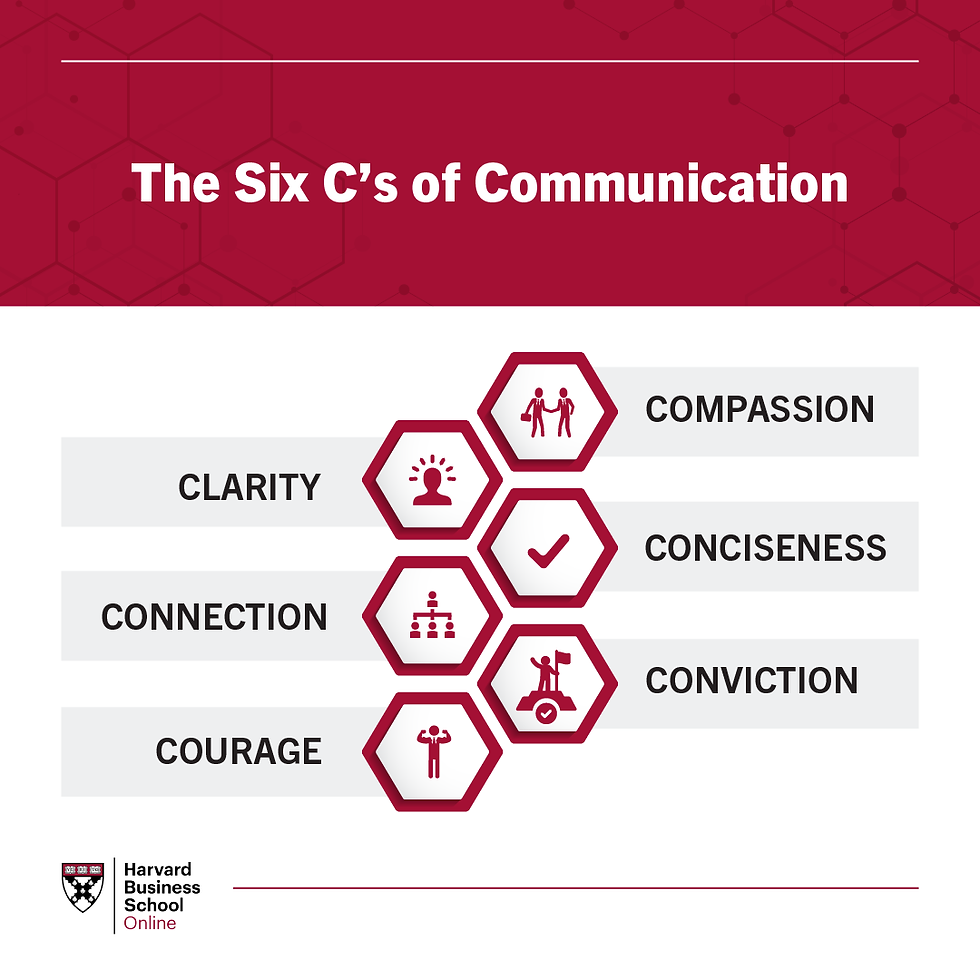
Civil engineering requires a balanced skill set. Technical knowledge is important, but communication, coordination, judgment, and emotional strength are equally critical. Engineers must interact with diverse teams, handle conflicts, and make decisions under pressure.
In many other branches, technical specialization and innovation dominate career success. Civil engineers succeed by combining technical understanding with people management and ethical responsibility. This broader skill requirement shapes a different professional identity.
STABILITY AND LONG TERM RELEVANCE
Civil engineering careers tend to offer long term stability. Infrastructure needs continue regardless of economic cycles or technological shifts. While methods evolve, the need for safe and reliable infrastructure remains constant.
Some engineering branches face rapid changes due to automation or technology shifts. Civil engineering adapts slowly and steadily, providing continuity and relevance. This stability appeals to those seeking enduring careers rather than fast changing roles.
LEARNING CURVE AND PROFESSIONAL MATURITY
Civil engineers mature professionally through exposure rather than rapid technical change. Each project adds context and understanding. Over time, engineers develop strong judgment that cannot be easily replaced.
Other branches may emphasize continuous upskilling to keep pace with technology. Civil engineering emphasizes learning from experience, mistakes, and long term observation. This creates depth rather than speed.
COMPENSATION AND VALUE PERCEPTION
Compensation in civil engineering grows with responsibility and trust rather than immediate technical output. Early salaries may appear modest, but senior roles often offer strong stability and influence.
Comparing starting salaries across branches without considering long term growth leads to misunderstanding. Civil engineering rewards patience and consistent performance rather than early spikes.
WHY COMPARISON OF BRANCHES IS MISLEADING
Each engineering branch serves different purposes and attracts different personalities. Comparing them solely on salary or work comfort ignores deeper professional realities.
Civil engineering suits individuals who value tangible impact, responsibility, and long term contribution. Other branches suit different interests. Success depends on alignment, not comparison.
CONCLUSION
Civil engineering careers differ fundamentally from other engineering branches in environment, growth pattern, responsibility, and societal impact. While growth may be slower initially, the profession offers stability, authority, and meaningful contribution over time.
Understanding these differences helps students make informed decisions and appreciate the unique value of civil engineering. In a world shaped by infrastructure, civil engineers continue to play a role that no other profession can replace.


Comments