
Geotechnical Engineering in Practice Soil Investigation Site Testing and Ground Improvement
- Anjali Regmi
- Mar 24
- 3 min read

Introduction to Geotechnical Engineering
Geotechnical engineering is a specialized branch of civil engineering that focuses on the behavior of soil and rock in relation to construction. It plays a critical role in ensuring that structures are built on stable and safe ground.
For students and freshers, this subject builds upon soil mechanics and extends into real world applications such as site investigation, testing, and ground improvement.
Importance of Soil Investigation
Before any construction begins, a detailed soil investigation is required.
This process helps engineers understand soil properties, groundwater conditions, and load bearing capacity.
In theory, soil properties are studied in classrooms. On site, investigation provides actual data that guides design decisions.
Without proper investigation, foundation failures and structural issues can occur.
Methods of Soil Exploration
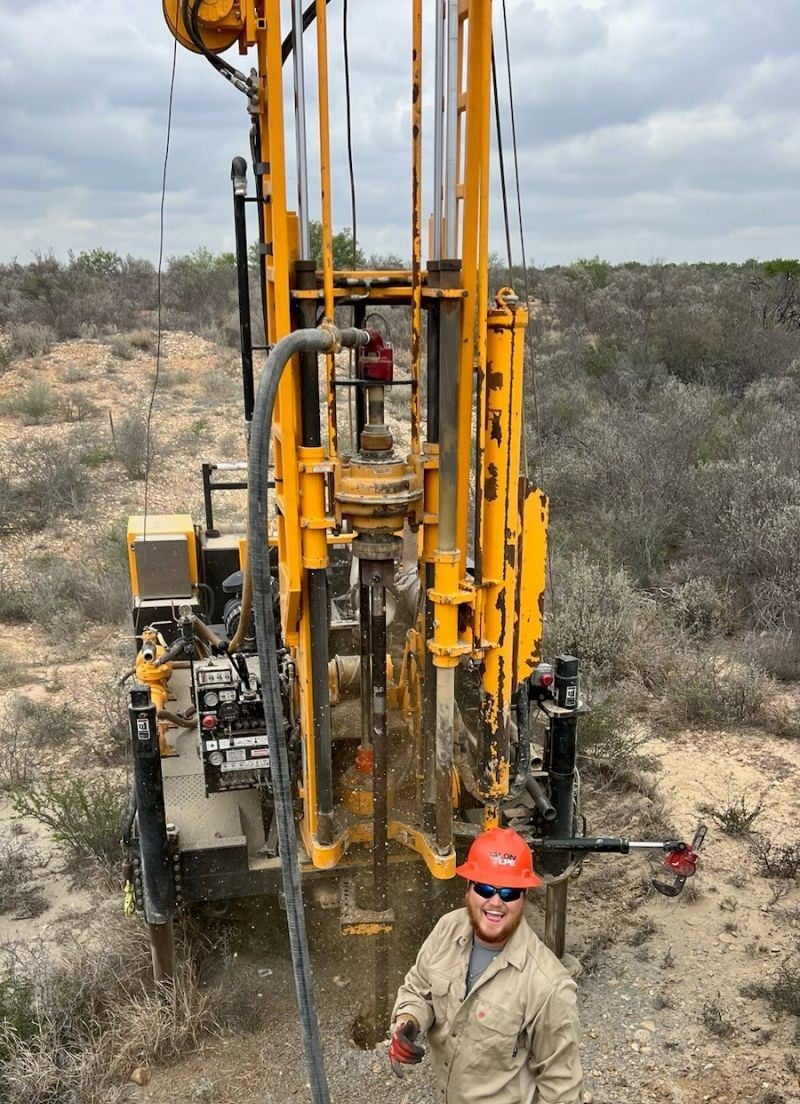
Soil exploration can be carried out using various methods such as boring, drilling, and trial pits.
Boring methods include auger boring and wash boring. Trial pits are shallow excavations used for direct inspection.
These methods help in collecting soil samples for further testing.
Choosing the right method depends on the depth and type of project.
Field Testing Techniques
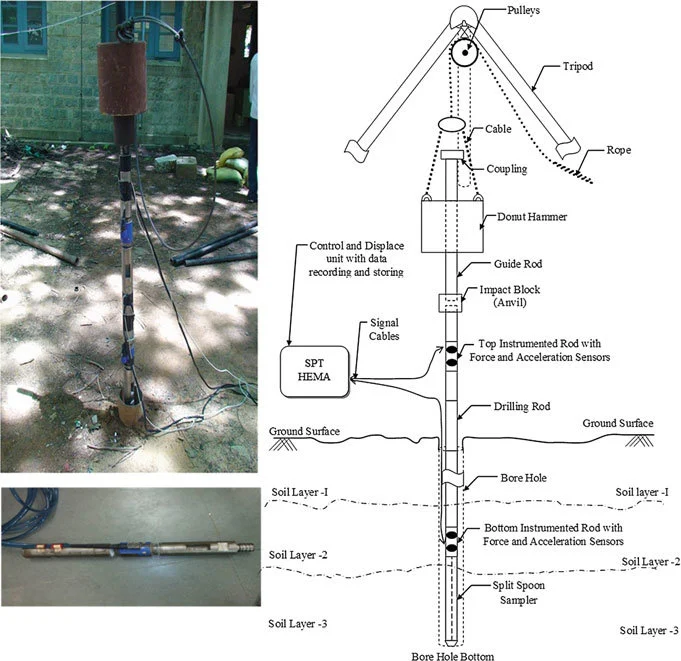
Field tests provide direct information about soil behavior.
The Standard Penetration Test measures soil resistance and helps estimate bearing capacity.
The plate load test determines the load carrying capacity of soil.
The cone penetration test provides continuous soil data.
These tests are essential for accurate foundation design.
Laboratory Testing of Soil
In addition to field tests, soil samples are tested in laboratories.
Tests such as sieve analysis, Atterberg limits, and compaction tests determine soil properties.
These tests help engineers understand soil classification, consistency, and strength.
Laboratory results complement field data for better analysis.
Groundwater Considerations
Groundwater plays an important role in geotechnical engineering.
High water table levels can affect soil strength and stability.
During construction, groundwater may require dewatering to maintain safe working conditions.
Engineers must consider groundwater conditions while designing foundations.
Ground Improvement Techniques
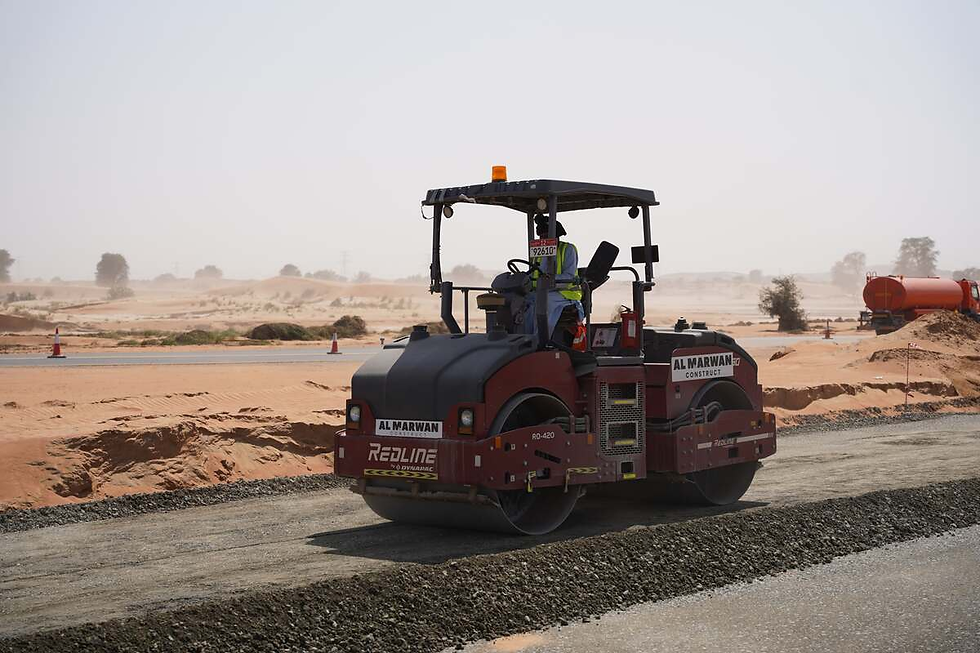
In many cases, natural soil conditions are not suitable for construction. Ground improvement techniques are used to enhance soil properties.
Methods include compaction, soil stabilization using chemicals, and reinforcement with geotextiles.
These techniques increase soil strength and reduce settlement, making construction feasible.
Foundation Design Based on Soil Data
Soil investigation data is used to design appropriate foundations.
Engineers decide whether to use shallow or deep foundations based on soil conditions.
Accurate data ensures that the foundation can safely support the structure.
Improper design due to poor data can lead to structural failure.
Challenges in Geotechnical Engineering
Real world conditions often differ from theoretical assumptions. Soil properties may vary across the site, and unexpected conditions may arise during excavation.
For example, encountering soft clay or loose sand can require redesign and additional work.
Engineers must be flexible and adapt to changing site conditions.
Integration of Theory and Field Practice
Geotechnical engineering is a perfect example of how theory and practice work together.
Concepts like bearing capacity and soil strength are learned in classrooms. On site, these concepts are applied through investigation and testing.
Engineers who can connect both aspects can handle complex projects effectively.
Skills Required for Geotechnical Engineers
Engineers need strong analytical skills to interpret soil data and design solutions.
Knowledge of testing methods and field procedures is essential.
Attention to detail and problem solving ability help in managing site challenges.
Conclusion
Geotechnical engineering is a critical field that ensures the safety and stability of structures.
For students and freshers, understanding soil investigation, testing, and ground improvement is essential for practical engineering.
By combining theoretical knowledge with field experience, engineers can design safe and efficient foundations for all types of structures.


Comments