
Foundation Failures in Real Construction Projects: Causes, Site Mistakes & Preventive Engineering Solutions
- Anjali Regmi
- Feb 26
- 4 min read

Foundation is the most critical structural component of any construction project because it transfers the entire load of the structure safely to the ground. Despite accurate design calculations and soil reports, foundation failures still occur frequently in real construction projects due to poor site execution, inadequate soil investigation, and operational negligence. Unlike superficial defects such as plaster cracks, foundation failure is a severe structural issue that can lead to differential settlement, tilting of structures, structural cracks, and even complete collapse in extreme cases.
For civil engineers, especially site engineers and fresh graduates, understanding real-world foundation failures is essential because most failures are not due to design flaws but due to site-level mistakes, poor supervision, and deviation from engineering practices.
Understanding Foundation Behavior in Practical Construction
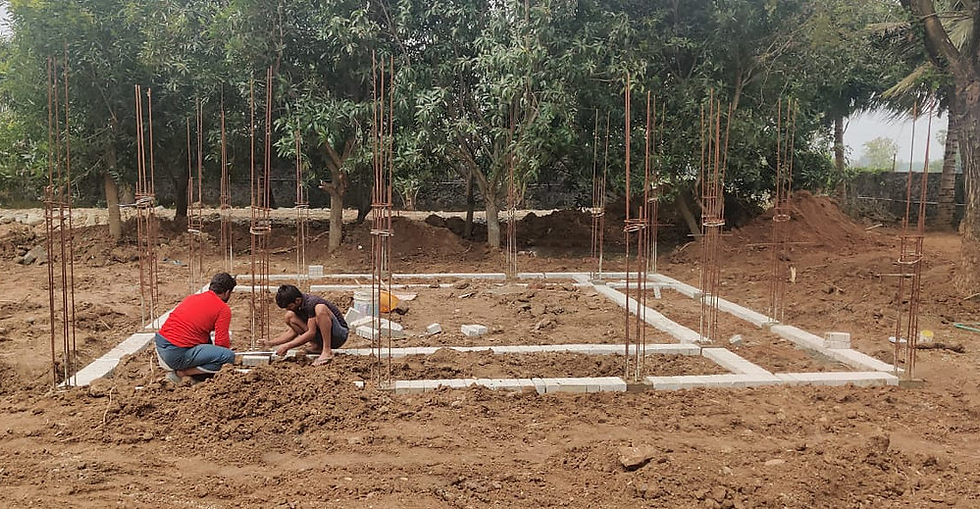
In theory, foundation design is based on safe bearing capacity (SBC), soil type, load calculations, and settlement analysis. However, in real site conditions, soil variability, groundwater fluctuations, and improper excavation practices significantly affect foundation performance. Engineers must understand that soil is a non-uniform and unpredictable material, and even minor negligence during foundation work can compromise the stability of the entire structure.
Major Causes of Foundation Failures on Construction Sites
1. Inadequate Soil Investigation and Misinterpretation of Soil Reports
One of the most common causes of foundation failure is insufficient geotechnical investigation. Many projects rely on limited borehole data or outdated soil reports, which do not accurately represent actual ground conditions. Misinterpretation of soil parameters such as bearing capacity, moisture content, and shear strength leads to incorrect foundation design and unsafe load transfer.
2. Differential Settlement Due to Uneven Soil Conditions
Differential settlement occurs when different parts of the foundation settle at different rates due to soil heterogeneity. This results in structural cracks, beam distortion, and column misalignment. In real construction scenarios, poor soil compaction and unplanned backfilling are major contributors to uneven settlement.
3. Poor Excavation Practices and Over-Excavation
Improper excavation depth, loose soil at the base, and lack of proper leveling significantly weaken foundation performance. Over-excavation followed by uncontrolled backfilling reduces soil density and load-bearing capacity. Engineers must ensure proper excavation alignment and compaction before PCC (Plain Cement Concrete) and footing work.
4. Groundwater and Drainage Issues
Presence of groundwater during foundation construction can reduce soil strength and cause soil erosion below footings. Poor drainage planning leads to water accumulation near foundations, resulting in long-term settlement and structural instability. Dewatering and drainage systems are essential preventive measures in such conditions.
Common Site Mistakes Leading to Foundation Failure
Improper Compaction of Subgrade Soil
Compaction is often rushed to meet deadlines, leading to low soil density and future settlement problems. Mechanical compaction and field density tests (FDT) should be conducted to ensure adequate soil stability.
Incorrect Reinforcement Placement in Footings
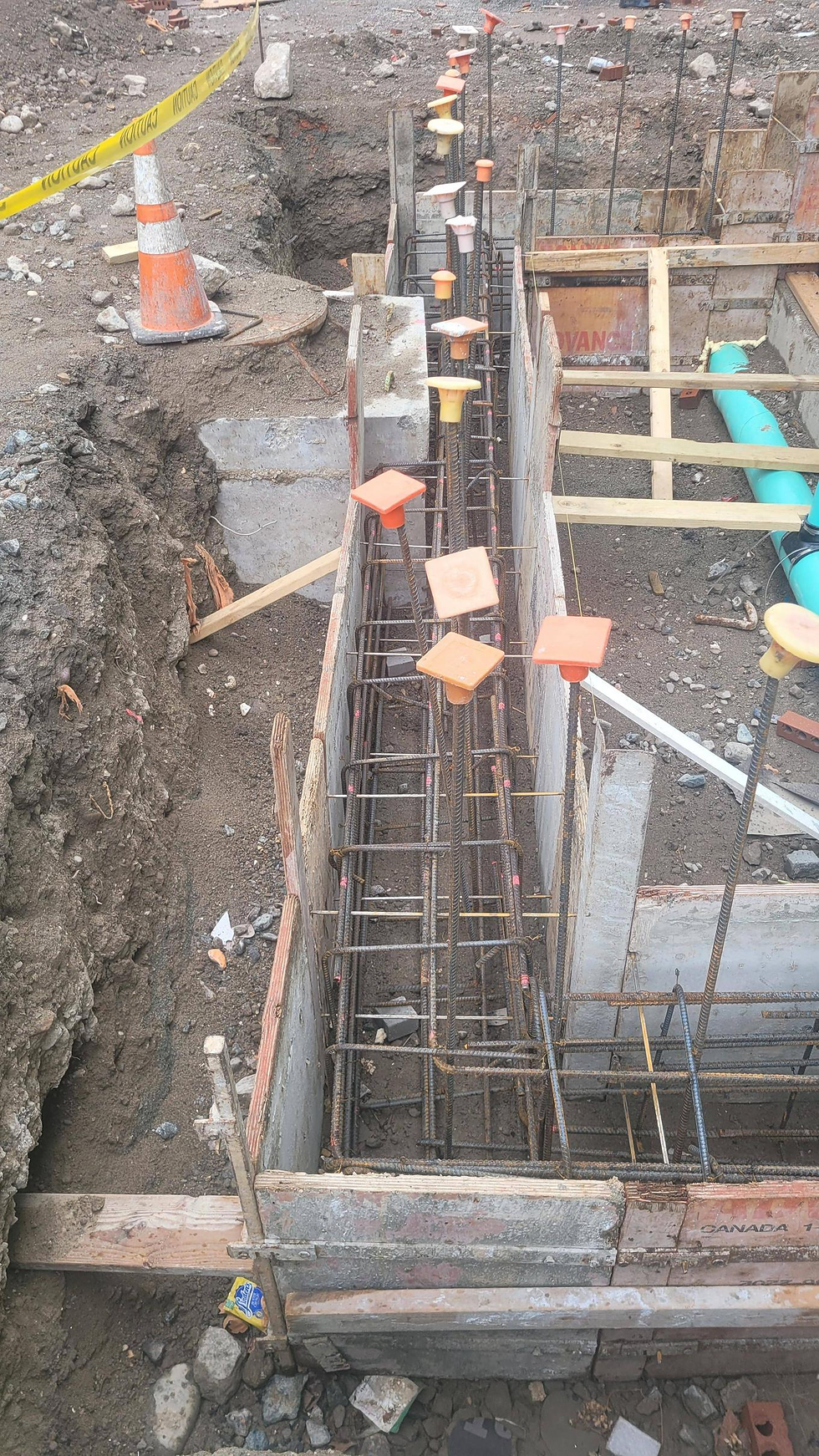
Misalignment of reinforcement bars, insufficient cover, and incorrect lap lengths in footings reduce structural strength. Reinforcement inspection before concreting is a mandatory quality control step that is often overlooked on busy sites.
Use of Substandard Concrete and Poor Curing
Low-quality concrete, excess water addition, and inadequate curing lead to reduced compressive strength of footings. Since foundations are not visible after construction, curing negligence often goes unnoticed but affects long-term durability.
Technical Warning Signs of Foundation Failure
Cracks in plinth beams and walls
Uneven floor levels
Tilting of columns or walls
Doors and windows jamming
Gaps between structural members
Early detection of these signs helps engineers take corrective measures before structural damage becomes irreversible.
Preventive Engineering Solutions for Foundation Stability
1. Comprehensive Geotechnical Investigation
Proper soil testing including borehole analysis, SPT (Standard Penetration Test), and laboratory soil classification is essential before foundation design and execution.
2. Proper Soil Compaction and Base Preparation
Engineers must ensure layer-by-layer compaction using mechanical compactors and verify soil density through field tests. A well-compacted base significantly reduces settlement risks.
3. Use of Suitable Foundation Type
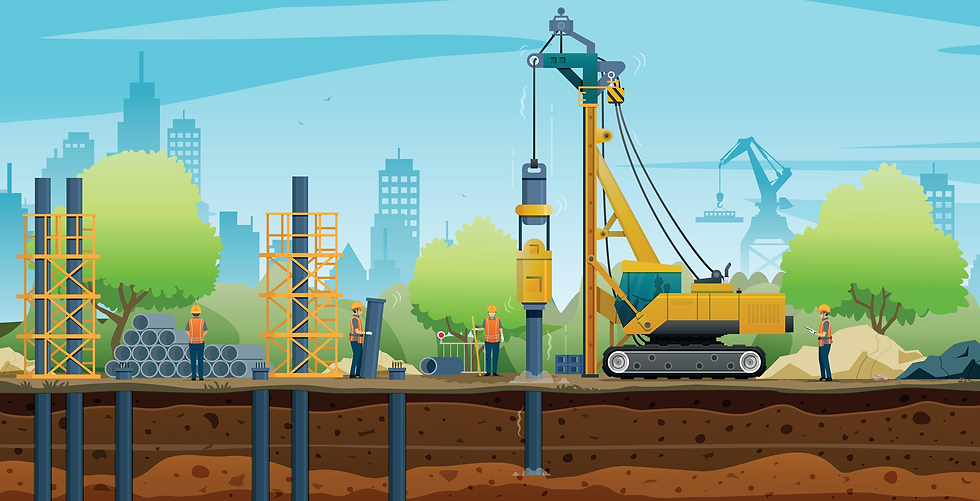
Selection of foundation type (isolated footing, combined footing, raft foundation, or pile foundation) should be based on soil condition and structural load rather than cost-saving decisions.
Role of Site Supervision in Preventing Foundation Failure
Site engineers play a critical role in ensuring foundation quality through continuous supervision and inspection. Verification of excavation levels, soil conditions, reinforcement detailing, and concrete quality must be done before and during footing concreting. Proper checklist-based inspections reduce execution errors significantly.
Operational Challenges Faced During Foundation Construction
Unexpected soil variations
Rainwater flooding in excavation pits
Delays in dewatering arrangements
Labor inefficiency during reinforcement placement
Equipment limitations in deep excavations
These real-world challenges require quick technical decision-making and adaptive planning by engineers.
Repair and Remedial Measures for Failed Foundations
When foundation issues are detected, corrective techniques such as underpinning, grouting, soil stabilization, and jacketing are used to restore structural stability. However, these methods are expensive and complex compared to preventive measures during initial construction stages.
Importance of Documentation and Quality Checks
Maintaining excavation records, soil test reports, compaction test results, and concrete quality reports ensures accountability and traceability. Proper documentation helps in future structural audits and legal compliance.
Conclusion: Strong Foundations Define Structural Success
Foundation failures in construction projects are rarely sudden; they are the result of cumulative site mistakes, poor soil assessment, and inadequate supervision. For civil engineers, foundation work demands the highest level of technical precision, operational discipline, and quality control because any negligence at this stage affects the entire structure permanently.
By conducting proper soil investigations, ensuring correct compaction, maintaining concrete quality, and enforcing strict site supervision, engineers can prevent foundation failures and enhance structural safety. In real-world civil engineering practice, a strong and stable foundation is not just a design requirement but a reflection of professional competence, technical accuracy, and responsible site execution.


Comments