
Excavation Failures & Trench Collapse Risks: The Most Underrated Danger in Civil Engineering Projects
- Anjali Regmi
- Mar 3
- 3 min read

Excavation is one of the first physical activities in most construction projects, yet it remains one of the most dangerous and technically sensitive operations on site. While engineers often focus more on reinforcement and concreting, many severe accidents, structural failures, and foundation problems originate from poor excavation practices. Trench collapses, unstable slopes, groundwater issues, and improper soil support systems can lead to injuries, fatalities, and long-term structural instability.
In real construction environments, excavation is not simply digging soil — it is a controlled engineering activity that requires soil understanding, safety planning, supervision, and risk management.
Why Excavation is Technically Critical in Construction
Excavation forms the base for foundations, basements, retaining walls, and underground utilities. Any error in depth, slope, or soil stability directly impacts structural performance. Unlike visible structural defects, excavation mistakes are often buried underground, making them difficult and expensive to rectify later.

Common Excavation Failures Observed on Site
1. Trench Collapse Due to Unsupported Sides
One of the most dangerous excavation failures is trench collapse. When soil is excavated without proper shoring, bracing, or sloping, sidewalls can cave in suddenly. This can trap workers and damage adjacent structures.
2. Over-Excavation Beyond Design Depth
Excavating deeper than specified reduces soil bearing capacity and requires additional backfilling and compaction, increasing project cost and risk of settlement.
3. Ignoring Soil Type and Conditions
Different soil types behave differently under load and moisture conditions. Loose sand, clay, or filled soil require different support strategies.
Real Causes Behind Trench Collapse
Lack of shoring or bracing systems
Excavation during heavy rainfall
Vibration from nearby traffic or machinery
Water seepage weakening soil cohesion
Poor supervision during deep digging

Groundwater and Dewatering Challenges
Water accumulation in excavation pits weakens soil stability and increases collapse risk. Poor dewatering planning leads to:
Soil erosion under footings
Foundation settlement
Unsafe working conditions
Delays in reinforcement and concreting
Proper drainage systems and pumping arrangements must be in place before excavation begins.
Safety Hazards Associated with Excavation
Excavation failures often result in:
Worker suffocation due to trench collapse
Machinery falling into unstable pits
Adjacent structure damage
Electrical or utility line accidents
Excavation safety is not optional — it is a legal and ethical engineering responsibility.
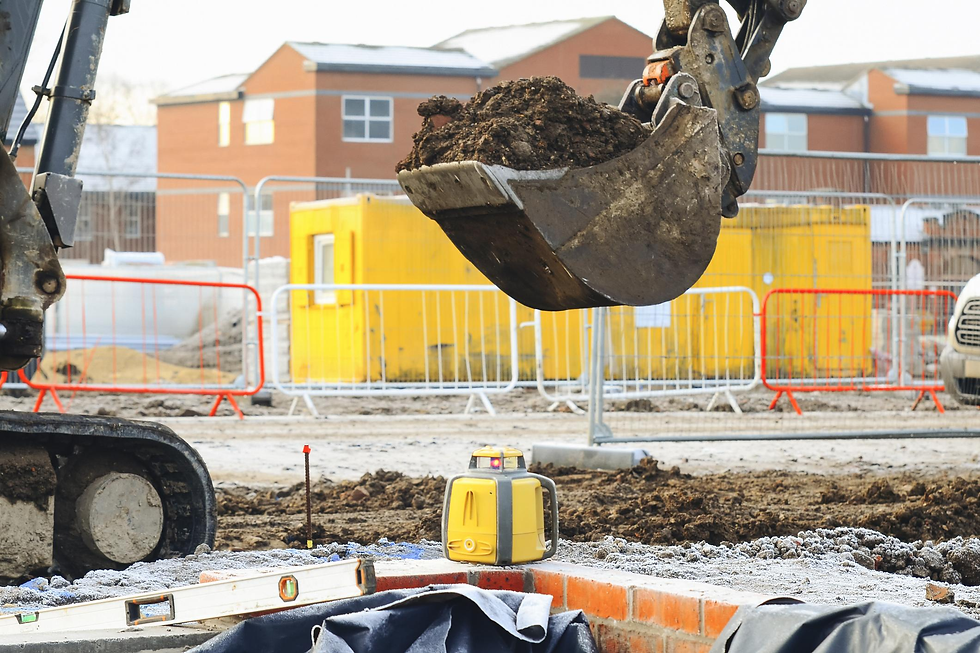
Role of Soil Investigation Before Excavation
Proper soil investigation through boreholes and Standard Penetration Tests (SPT) provides essential data on soil strength and groundwater level. Skipping geotechnical verification increases the risk of unexpected soil behavior during excavation.
Preventive Engineering Measures for Safe Excavation
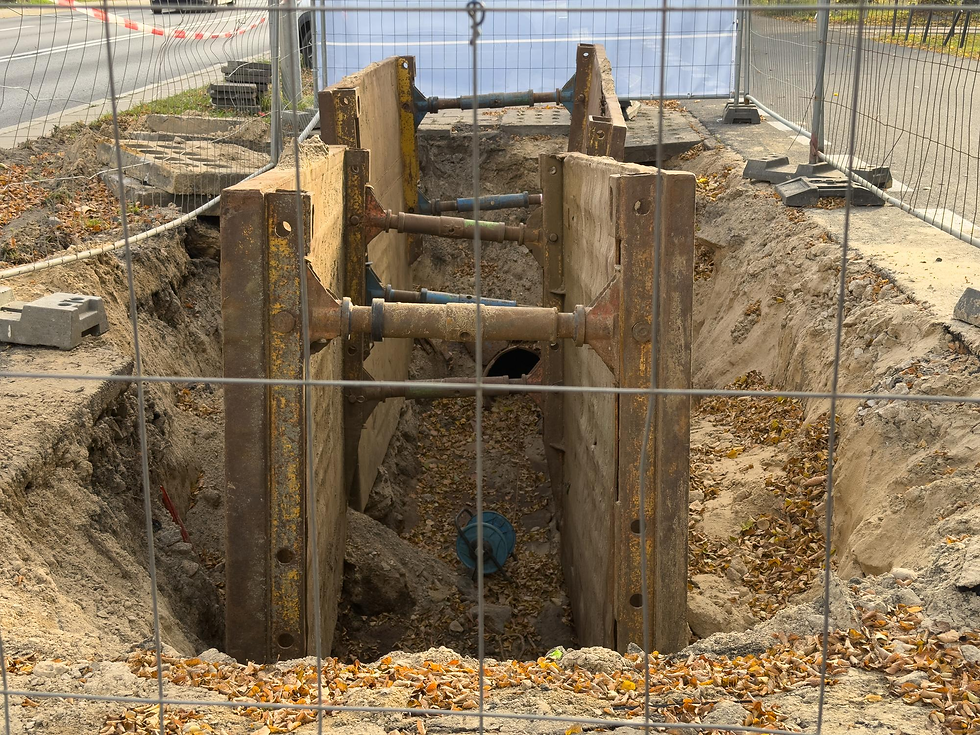
Proper Shoring and Bracing
Install timber, steel, or hydraulic shoring systems for deep trenches.
Sloping and Benching
Provide appropriate slope angles based on soil type to prevent wall collapse.
Controlled Excavation Sequence
Excavate in stages instead of removing large volumes at once.
Barricading and Access Control
Install warning signs and restrict unauthorized access around excavation areas.
Inspection Checklist Before Foundation Work
Verify excavation depth and alignment
Check soil bearing condition
Ensure proper dewatering system
Confirm stability of trench sides
Inspect for underground utilities
Skipping these checks often leads to foundation settlement or rework.
Operational Challenges in Urban Excavation
Urban construction projects face additional risks:
Limited working space
Adjacent building proximity
Underground utility networks
Traffic-induced vibration
These conditions require extra supervision and structural support systems.
Impact of Excavation Failures on Project Cost
Re-excavation and soil replacement
Additional compaction work
Structural redesign
Delay in foundation activities
Compensation and legal penalties
Excavation mistakes escalate quickly into financial and safety crises.
Modern Technologies Enhancing Excavation Safety
Soil monitoring sensors
Ground movement monitoring systems
Geotechnical software for slope stability analysis
Real-time groundwater tracking
Despite technological advancements, on-site supervision remains critical.
Best Practices for Engineers During Excavation
Conduct soil verification before digging
Monitor excavation continuously
Avoid working under unsupported trenches
Plan for rainfall and drainage
Never rush deep excavation without support
Conclusion: Excavation is the Foundation of Structural Safety
Excavation failures and trench collapses are among the most dangerous and underestimated risks in civil engineering projects. Many structural and safety disasters begin at the excavation stage due to negligence, lack of planning, or inadequate supervision. Engineers who treat excavation as a highly controlled engineering activity rather than simple digging significantly reduce risks of collapse, settlement, and financial loss.
In real construction practice, safe and accurate excavation defines the stability of the entire structure. A civil engineer who prioritizes soil understanding, support systems, and safety compliance demonstrates technical responsibility, operational discipline, and professional excellence from the very first stage of construction.


Comments