
Essential Software for Civil Engineers AutoCAD ETABS Excel and Modern Tools
- Anjali Regmi
- Apr 1
- 2 min read

Introduction to Software in Civil Engineering
Software tools have become an integral part of civil engineering. From design and analysis to planning and cost estimation, software helps engineers improve accuracy, efficiency, and productivity.
For students and freshers, learning the right tools is essential to stay competitive in the industry.
Importance of Software Skills
Civil engineering projects involve complex calculations, drawings, and coordination.
Software simplifies these tasks and reduces errors.
Companies prefer candidates who are proficient in industry standard tools.
AutoCAD for Drafting and Drawing
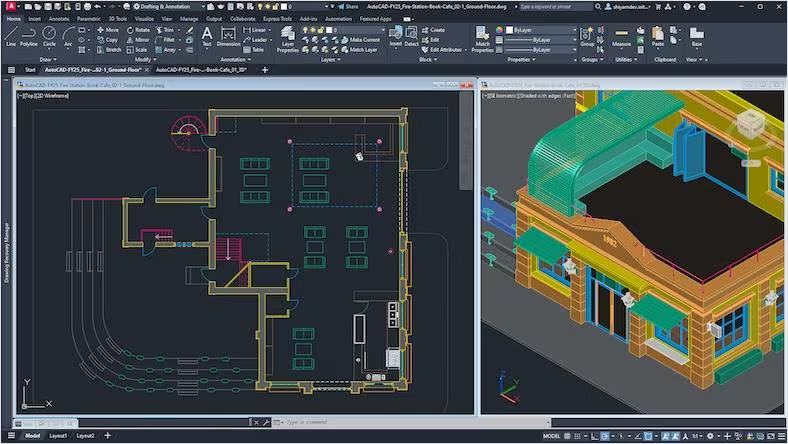
AutoCAD is one of the most widely used software for drafting.
It is used to create plans, elevations, sections, and detailed drawings.
Understanding AutoCAD is essential for both site and design engineers.
ETABS for Structural Analysis
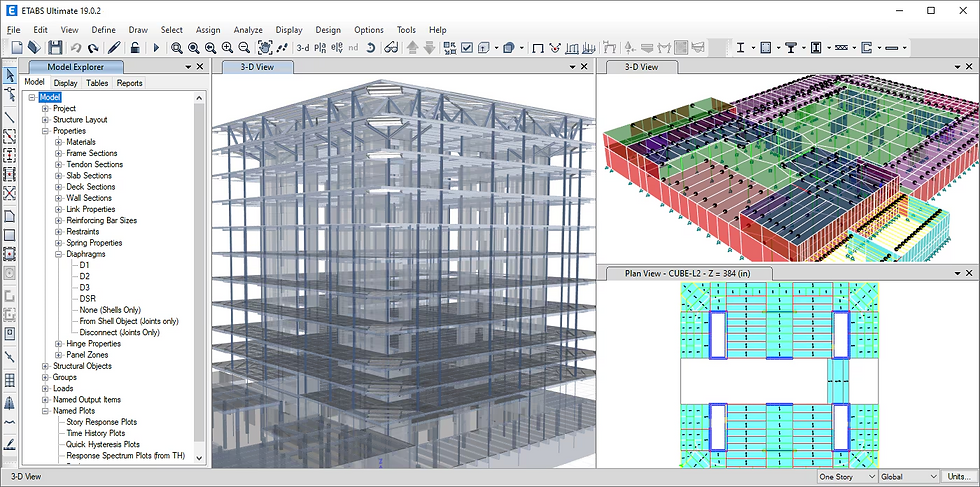
ETABS is used for structural analysis and design of buildings.
It helps engineers analyze loads, forces, and structural behavior.
Knowledge of ETABS is important for those interested in design roles.
Microsoft Excel for Estimation and Planning
Excel is widely used for calculations, estimation, and data management.
Engineers use it for preparing BOQs, schedules, and cost analysis.
Strong Excel skills improve efficiency in daily tasks.
Revit and BIM Tools

Revit is a BIM based software used for 3D modeling and coordination.
It allows integration of different disciplines in a single model.
Learning BIM tools is becoming increasingly important in modern construction.
Other Useful Software Tools
Civil engineers also use software such as STAAD for structural design, Primavera for project planning, and GIS tools for mapping and analysis.
Knowledge of multiple tools increases job opportunities.
Choosing the Right Software to Learn
Students should choose software based on their career goals.
Those interested in design should focus on analysis tools.
Those interested in site management should learn planning and estimation tools.
Challenges in Learning Software
Learning software can be challenging due to complexity and lack of guidance.
Practice and hands on projects are essential for mastering these tools.
Integration of Software with Practical Knowledge
Software should not replace fundamental knowledge.
Engineers must understand concepts behind the tools to use them effectively.
Combining software skills with practical knowledge gives better results.
Skills Required for Software Proficiency
Engineers need analytical thinking and problem solving skills.
Attention to detail is important for accurate modeling and calculations.
Continuous practice helps in improving proficiency.
Future of Software in Civil Engineering
The future of civil engineering is digital.
Technologies like BIM, AI, and automation will play a major role.
Engineers who learn these tools will have better career opportunities.
Conclusion
Software tools are essential for modern civil engineering practice.
For students and freshers, learning tools like AutoCAD, ETABS, Excel, and BIM software is crucial.
By combining software skills with strong fundamentals, engineers can enhance their efficiency and build successful careers.


Comments