
Environmental Engineering Basics Water Treatment Waste Management and Sustainable Practices
- Anjali Regmi
- Mar 23
- 3 min read


Introduction to Environmental Engineering
Environmental engineering is a crucial branch of civil engineering that focuses on protecting public health and the environment. It deals with water supply, wastewater treatment, solid waste management, and pollution control.
For students and freshers, this subject connects scientific principles with real world applications that directly impact society and sustainability.
Water Supply Engineering Basics
Water supply engineering involves the collection, treatment, and distribution of water for domestic and industrial use.
Sources of water include rivers, lakes, and groundwater. Before distribution, water must be treated to remove impurities and make it safe for consumption.
In theory, students study treatment processes. On site, these processes are implemented in water treatment plants.
Water Treatment Process

Water treatment involves several stages including coagulation, sedimentation, filtration, and disinfection.
Coagulation helps in removing suspended particles. Sedimentation allows particles to settle. Filtration removes finer impurities, and disinfection kills harmful microorganisms.
Each stage must be carefully controlled to ensure water quality.
Wastewater and Sewage Treatment
Wastewater from households and industries must be treated before being released into the environment.
Sewage treatment plants use physical, chemical, and biological processes to remove contaminants.
Primary treatment removes solids, secondary treatment uses biological processes, and tertiary treatment improves water quality further.
On site, proper operation of treatment units is essential for effective waste management.
Solid Waste Management
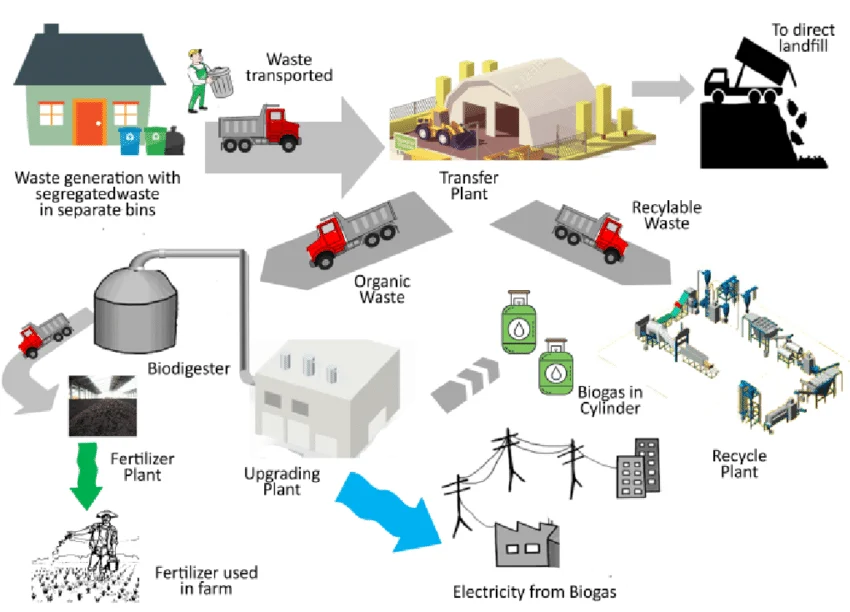
Solid waste management deals with the collection, treatment, and disposal of waste materials.
Methods include recycling, composting, and landfilling.
In urban areas, efficient waste management is necessary to prevent environmental pollution and health hazards.
Engineers must design systems that handle waste effectively and sustainably.
Air and Noise Pollution Control
Environmental engineers also work on controlling air and noise pollution.
Air pollution is caused by emissions from industries and vehicles. Control measures include filters, scrubbers, and regulations.
Noise pollution is managed through proper planning and use of sound barriers.
Understanding these aspects is important for sustainable development.
Sustainable Engineering Practices
Sustainability is becoming a key focus in civil engineering.
Practices such as rainwater harvesting, wastewater reuse, and use of eco friendly materials help reduce environmental impact.
Green buildings and energy efficient systems are also part of sustainable engineering.
Engineers must incorporate these practices into modern projects.
Environmental Regulations and Standards
Environmental engineering is governed by regulations and standards that ensure protection of natural resources.
These guidelines control pollution levels, waste disposal, and water quality.
Engineers must follow these regulations while designing and executing projects.
Challenges in Environmental Engineering
Real world environmental issues are complex. Rapid urbanization, population growth, and industrialization increase pollution and resource demand.
For example, managing wastewater in densely populated cities is a major challenge.
Engineers must develop innovative solutions to address these problems.
Integration of Theory and Field Practice
Environmental engineering combines theoretical knowledge with practical implementation.
Concepts like water treatment and waste management are applied in treatment plants and infrastructure systems.
Engineers must understand both aspects to design effective solutions.
Skills Required for Environmental Engineers
Engineers need knowledge of chemistry, biology, and engineering principles.
Analytical skills help in understanding environmental data.
Problem solving and innovation are important for developing sustainable solutions.
Conclusion
Environmental engineering plays a vital role in maintaining public health and environmental sustainability.
For students and freshers, understanding water treatment, waste management, and pollution control is essential.
By combining theoretical knowledge with practical application, engineers can contribute to a cleaner and more sustainable future.


Comments