
Engineering Control Points Every Site Engineer Must Monitor Daily
- Anjali Regmi
- Feb 16
- 4 min read

Introduction
Construction sites are dynamic environments where multiple activities occur simultaneously excavation, reinforcement work, concreting, material movement, and coordination between teams. In such complex conditions, effective site control is not achieved through occasional supervision but through continuous monitoring of critical engineering control points. These control points are specific technical aspects that directly influence structural quality, safety, accuracy, and project progress. Experienced site engineers develop a habit of tracking these parameters daily to prevent errors, rework, and technical failures.

Understanding the Concept of Engineering Control Points
Engineering control points are measurable and verifiable technical checkpoints that ensure construction work aligns with approved drawings, specifications, and quality standards. They act as real-time indicators of project accuracy and structural compliance. Unlike general supervision, control point monitoring is systematic and data-driven.
Daily tracking of these parameters allows site engineers to detect deviations early, implement corrective actions, and maintain technical discipline throughout project execution.
Alignment With Approved Drawings and Revisions
One of the most critical daily control points is verifying that execution matches the latest approved drawings. Site engineers must ensure that grid lines, dimensions, reinforcement details, and structural layouts correspond exactly with design documents.
Using outdated drawings or misinterpreting revisions can lead to major execution errors, structural mismatches, and costly rework. Daily drawing verification prevents such technical discrepancies and maintains design integrity.
Reinforcement Placement and Structural Compliance
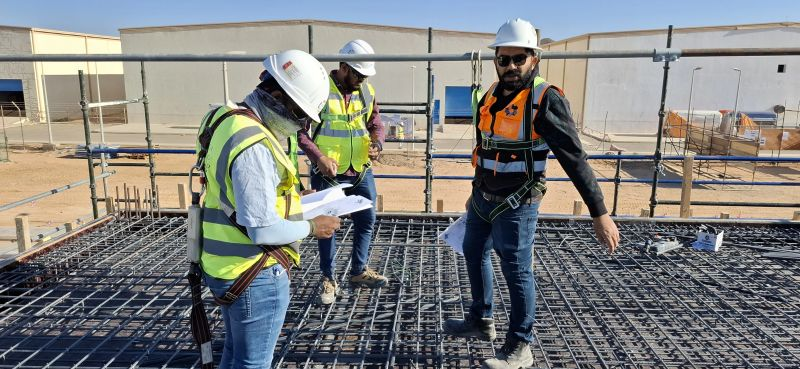
Reinforcement inspection is a core engineering control responsibility. Site engineers must monitor bar diameter, spacing, lap lengths, anchorage, and cover placement regularly. Even small deviations in reinforcement positioning can significantly impact load distribution and structural strength.
Daily checks ensure that reinforcement is tied securely, properly aligned, and free from displacement before major activities such as shuttering closure or concreting.
Formwork Stability and Dimensional Accuracy
Formwork directly determines the shape, alignment, and finish of structural elements. Engineers must inspect shuttering alignment, verticality, joint tightness, and bracing support every day. Weak or misaligned formwork can result in dimensional deviations, leakage, and structural defects.
Regular monitoring of formwork stability also prevents collapse risks during concrete placement, ensuring both safety and accuracy.
Level and Survey Control Verification
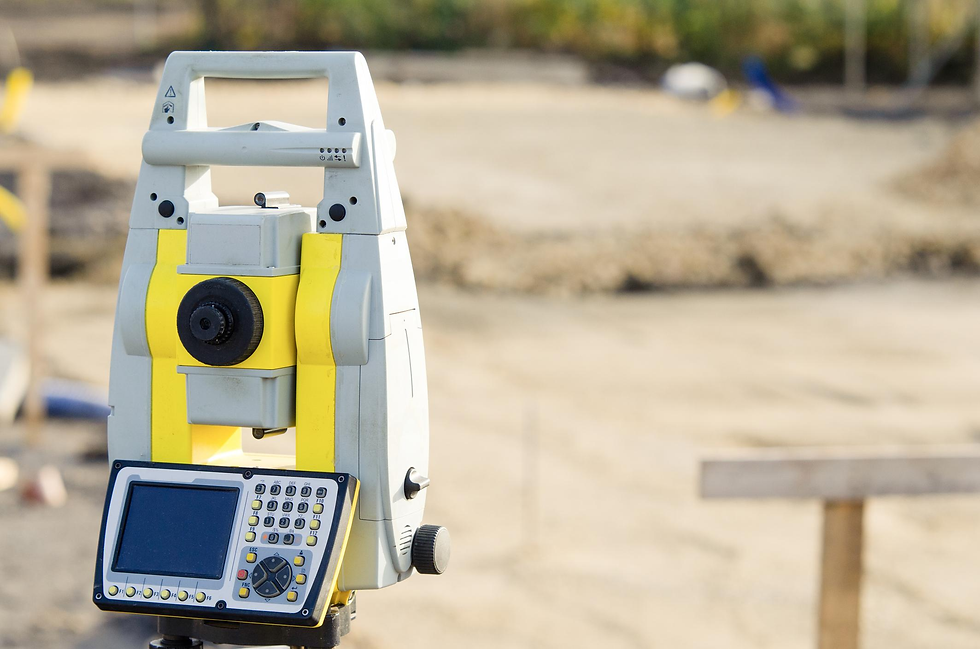
Levels and alignment are fundamental technical control points in civil engineering. Site engineers must verify benchmarks, reduced levels (RL), and reference grid points daily using leveling instruments or total stations. Incorrect level control leads to uneven slabs, drainage issues, and architectural misalignment.
Survey accuracy ensures structural precision and prevents cumulative dimensional errors throughout project stages.
Material Quality and Storage Monitoring
Material quality significantly influences structural durability and performance. Engineers must monitor cement storage conditions, aggregate cleanliness, reinforcement stacking, and concrete material handling daily. Improper storage can lead to moisture damage, contamination, and strength reduction.
Daily inspection of material condition ensures compliance with quality standards and prevents long-term structural issues.
Concrete Workability and Pour Monitoring
During concreting phases, engineers must closely observe slump values, compaction practices, and pouring sequence. Improper vibration, delayed placement, or inconsistent workability can cause honeycombing, segregation, and weak bonding.
Monitoring concrete behavior in real time allows engineers to maintain structural integrity and uniform strength development.
Safety Compliance and Risk Control
Safety is a critical engineering control point that must be monitored continuously. Site engineers should check PPE usage, equipment movement zones, scaffold stability, and hazard identification. Technical supervision is incomplete without ensuring safe execution practices.
Daily safety monitoring reduces accident risks and maintains professional construction standards.
Equipment Functionality and Operational Efficiency
Construction machinery such as cranes, pumps, vibrators, and compactors play a major role in execution efficiency. Engineers must observe equipment performance, operational readiness, and maintenance conditions daily. Equipment malfunction can disrupt workflow and compromise construction quality.
Proactive equipment monitoring ensures uninterrupted progress and technical consistency.
Coordination Between Technical Teams
Modern construction projects involve coordination between structural, architectural, and MEP teams. Site engineers must monitor daily coordination to prevent clashes, misplacements, and execution conflicts. Effective communication ensures that embedded services, sleeves, and structural elements are aligned correctly.
Poor coordination often leads to rework and delays, making it a vital control parameter.
Documentation and Progress Tracking
Professional construction management requires accurate documentation of daily activities, inspections, and quality checks. Engineers must monitor daily reports, checklists, and progress logs to ensure accountability and transparency.
Documentation serves as technical evidence for inspections, audits, and future reference in case of disputes or defects.
Consequences of Ignoring Engineering Control Points
Failure to monitor daily control points can result in structural inaccuracies, quality defects, safety hazards, and financial losses. Issues such as misaligned columns, insufficient cover, improper compaction, and material wastage often arise from weak site monitoring systems.
Strong control point management prevents technical failures and enhances project reliability.
Conclusion
Engineering control points are the backbone of effective site supervision and technical execution. Daily monitoring of drawings, reinforcement, formwork, levels, materials, safety, equipment, and coordination ensures construction accuracy and structural integrity. Professional site engineers rely on systematic control rather than occasional inspections to maintain quality and efficiency. In real construction practice, consistent monitoring of critical engineering parameters is what separates average supervision from technically sound project execution.


Comments