
Design Intent vs Site Execution: Where Civil Engineering Projects Commonly Fail
- Anjali Regmi
- Feb 16
- 4 min read

Introduction
In civil engineering, a project does not fail only due to poor design or weak construction individually it often fails due to the gap between design intent and site execution. Design intent represents the technical vision of engineers and consultants, including structural safety, load distribution, material specifications, and performance expectations. Site execution, on the other hand, is the physical realization of that vision under real-world constraints such as time pressure, labor variability, and environmental conditions. When execution deviates from design intent, even a perfectly designed structure can develop defects, performance issues, and long-term durability problems.

Understanding Design Intent in Civil Engineering
Design intent is the core engineering logic behind every drawing, specification, and structural detail. It includes load calculations, reinforcement detailing, material grades, dimensional tolerances, and safety factors defined during the design phase. Structural engineers consider multiple parameters such as soil conditions, load combinations, environmental exposure, and serviceability requirements while preparing designs.
However, design intent is often documented in technical drawings, specifications, and notes that require accurate interpretation during construction. If these documents are misunderstood or ignored, the structural purpose of the design is compromised.
Nature of Site Execution in Real Construction Environments
Site execution operates under practical constraints such as deadlines, cost pressures, workforce skill levels, and material availability. Unlike the controlled assumptions used in design, site conditions are dynamic and unpredictable. Engineers must deal with weather variations, supply delays, equipment limitations, and coordination issues between multiple teams.
This operational complexity increases the risk of deviation from design requirements if technical supervision is weak or communication is unclear.
Misinterpretation of Structural Drawings
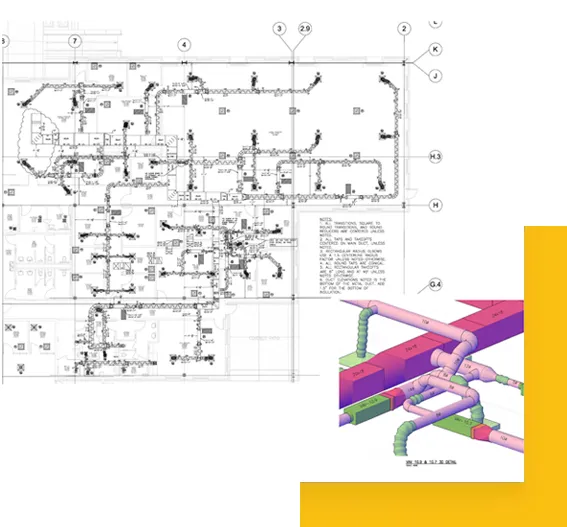
One of the most common causes of failure between design and execution is incorrect interpretation of drawings. Site teams may misunderstand reinforcement spacing, lap lengths, beam depths, or structural dimensions. Even minor drawing misinterpretations can lead to serious structural inconsistencies.
For example, incorrect bar placement or missing reinforcement in critical zones alters load distribution and reduces structural reliability. Proper drawing literacy is essential to preserve design intent during execution.
Lack of Coordination Between Design and Site Teams
Effective communication between design consultants and site engineers is crucial for successful project execution. When coordination is weak, site teams may proceed based on assumptions rather than technical clarification. Design revisions, structural notes, or consultant instructions may not be communicated properly to execution teams.
This disconnect results in execution errors such as incorrect embedments, misaligned structural elements, or non-compliant construction practices.
Practical Deviations Due to Time and Cost Pressures
Construction projects often operate under strict deadlines and budget constraints. In such scenarios, contractors may adopt shortcuts such as inadequate curing, improper compaction, or altered material usage to accelerate progress. These decisions directly conflict with design intent and long-term structural performance.
While such deviations may not cause immediate visible defects, they significantly reduce durability and service life of structures.
Material Substitution and Quality Compromise
Design specifications clearly define material grades and quality requirements. However, on site, substitutions may occur due to availability issues or cost-saving measures. Using lower-grade materials, poor aggregates, or incorrect concrete mix ratios alters the structural behavior assumed during design.
This gap between specified and actual material usage is a major contributor to performance failures in construction projects.
Inadequate Technical Supervision During Execution
Even with accurate drawings and materials, poor supervision can lead to execution errors. Site engineers must ensure correct reinforcement placement, proper shuttering alignment, and accurate level control. Weak supervision allows small technical mistakes to accumulate, eventually resulting in structural defects.
Continuous monitoring and inspection are necessary to maintain alignment with design intent.
Failure in Implementing Structural Tolerances
Designs include permissible tolerances for dimensions, alignment, and levels. However, ignoring these tolerances during execution leads to misalignment, uneven load transfer, and architectural discrepancies. Precision in execution is essential to maintain structural performance as intended by the design.
Tolerance control is a key technical responsibility often overlooked on busy construction sites.
Impact of Design Changes and Late Revisions
Design modifications during construction are common due to unforeseen site conditions or client requirements. If revised drawings are not implemented correctly or promptly, execution continues based on outdated information. This creates inconsistencies between structural design and actual construction.
Proper revision management and documentation are essential to prevent such technical mismatches.

Long-Term Consequences of Design-Execution Gap
The failure to align execution with design intent can result in structural cracks, excessive deflection, durability issues, and maintenance problems. In severe cases, it may lead to structural distress or safety concerns. Most long-term structural failures are not caused by poor design but by incorrect implementation of correct designs.
This highlights the importance of engineering discipline during execution phases.
Strategies to Bridge the Gap Between Design and Execution
To minimize failures, projects must emphasize:
Clear communication between design and site teams
Regular drawing reviews and technical briefings
Strict quality control and inspection protocols
Implementation of revision management systems
Skilled supervision and documentation
These practices ensure that execution remains aligned with original engineering intent.
Conclusion
The success of a civil engineering project depends not only on sound design but also on accurate and disciplined execution. The gap between design intent and site implementation is one of the most common causes of structural defects and performance failures. Misinterpretation of drawings, weak coordination, material compromises, and inadequate supervision all contribute to this disconnect. Professional civil engineers must ensure that every stage of construction faithfully reflects the technical logic embedded in design documents. In real-world engineering, a well-designed structure achieves its full potential only when execution strictly adheres to design intent.


Comments