
Daily Site Reporting (DPR): The Most Ignored Yet Critical Skill in Civil Engineering Operations
- Anjali Regmi
- Mar 1
- 4 min read

In real construction projects, technical execution alone does not ensure project success. One of the most overlooked yet powerful operational tools in civil engineering is the Daily Progress Report (DPR). While many fresh engineers focus heavily on drawings, concreting, and supervision, they often neglect structured reporting and documentation. However, in professional construction environments, DPR is not just paperwork — it is a technical control mechanism that tracks productivity, delays, resource utilization, and site performance.
Poor or inaccurate daily reporting leads to mismanagement, delay disputes, cost overruns, and lack of accountability. On the other hand, engineers who master DPR gain better control over execution, decision-making, and project coordination.
What is a Daily Progress Report (DPR) in Construction?
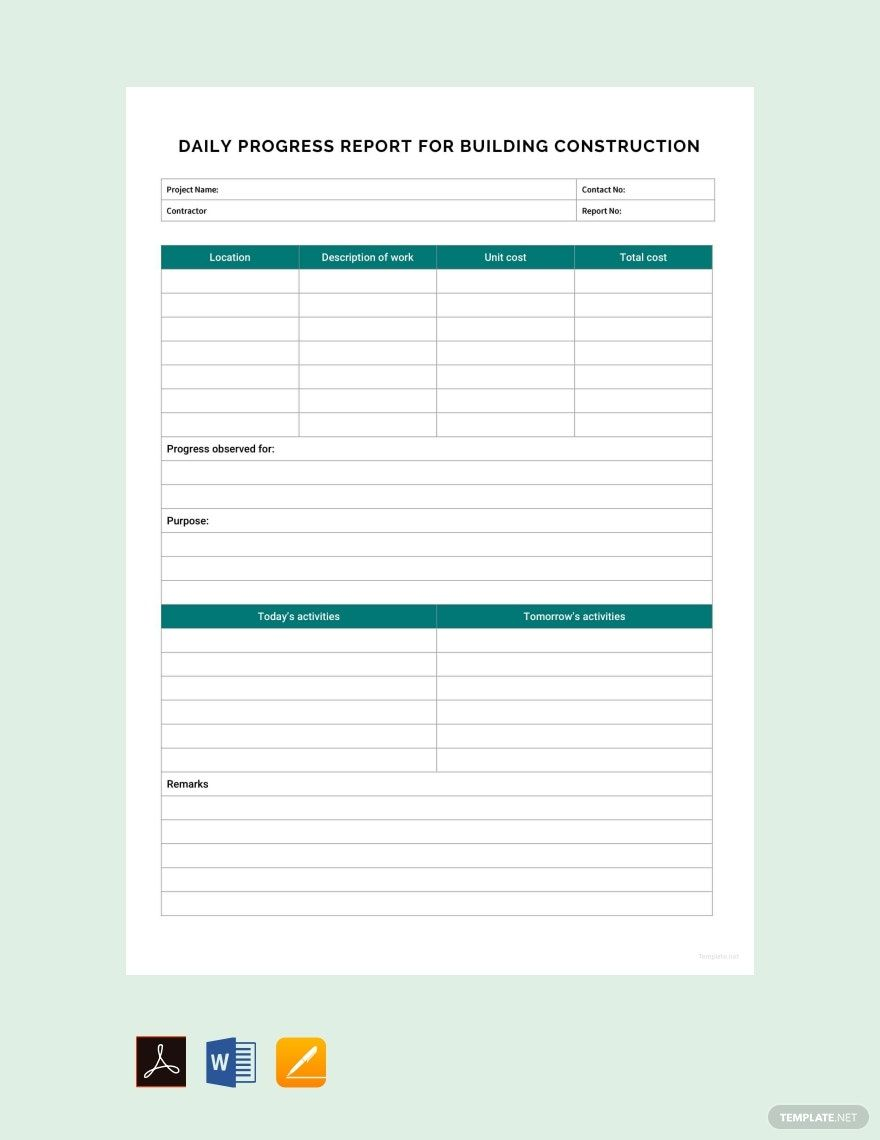
A Daily Progress Report (DPR) is a detailed record of all construction activities performed on site within a single day. It includes manpower deployment, material consumption, work progress, equipment usage, weather conditions, delays, inspections, and safety observations. Unlike theoretical project tracking, DPR reflects real-time ground reality and serves as an official record for project monitoring and performance analysis.
Why DPR is Critical in Real Construction Site Execution
Real-Time Monitoring of Work Progress
Construction projects involve multiple parallel activities such as excavation, reinforcement, shuttering, concreting, and finishing works. DPR helps engineers monitor daily productivity and compare planned vs actual progress, ensuring better project control.
Evidence for Delay Analysis and Claims
In case of project delays, DPR acts as a legal and technical document that records reasons such as weather interruptions, labor shortages, or material delays. This documentation is essential for Extension of Time (EOT) claims and dispute resolution.
Key Components of a Professional DPR
1. Work Activities Executed
This section records the specific construction tasks completed, such as footing concreting, slab reinforcement, brickwork, or plastering, along with quantities executed.
2. Manpower Deployment
Tracking the number of skilled and unskilled workers helps in analyzing labor productivity and resource efficiency.
3. Material Consumption
Daily records of cement, steel, sand, and aggregates used on site help in reconciliation and cost control.
4. Equipment Usage
Details of machinery such as cranes, mixers, vibrators, and pumps used during the day are recorded for operational tracking.
5. Site Issues and Delays
Any technical or operational challenges faced on site, including design clarifications, material shortages, or weather disruptions, must be documented.
Common DPR Mistakes Made by Fresh Civil Engineers
Writing Generic or Incomplete Reports
Many engineers write vague entries like “work in progress” instead of specifying measurable quantities and activities. This reduces the report’s technical value.
Ignoring Delay and Issue Documentation
Failing to record site challenges leads to weak justification during project review meetings and delay claims.

Lack of Quantity-Based Reporting
Professional DPRs must include measurable outputs (e.g., 25 m³ concrete poured, 120 m² plaster completed). Without quantification, performance tracking becomes ineffective.
Operational Benefits of Maintaining Accurate DPR
Improved project monitoring and scheduling
Better coordination between client, consultant, and contractor
Accurate productivity analysis
Strong documentation for claims and audits
Enhanced accountability and transparency
DPR transforms daily site activities into measurable engineering data that supports strategic decision-making.
Role of DPR in Cost Control and Resource Management
Material overconsumption, idle labor, and equipment inefficiencies can be identified through daily reporting. By analyzing DPR trends, engineers can detect wastage patterns, productivity gaps, and operational inefficiencies before they escalate into major financial losses.
DPR and Communication Between Stakeholders
Daily reports act as a communication bridge between site teams, project managers, consultants, and clients. Instead of relying on verbal updates, DPR provides structured, documented progress information that enhances transparency and professional coordination.

Digital DPR in Modern Construction Projects
With advancements in construction technology, DPR is increasingly managed through digital tools, mobile apps, and project management software. Cloud-based reporting systems allow real-time updates, photo attachments, and automated data analysis, improving efficiency and accuracy compared to manual reporting methods.
Challenges in Maintaining DPR on Busy Construction Sites
Heavy workload on site engineers
Lack of documentation training
Time pressure during critical activities
Underestimating the importance of reporting
Despite these challenges, disciplined reporting is a hallmark of professional site management.
Best Practices for Effective Daily Site Reporting
Record activities with exact quantities and locations
Include photographs as evidence of progress
Document delays with clear technical reasons
Maintain consistency in report format
Submit DPR daily without backlog
Cross-check data with site measurements and logs
DPR as a Tool for Performance Evaluation
Project managers use DPR data to evaluate engineer performance, labor productivity, and project efficiency. Accurate reporting demonstrates professionalism, responsibility, and operational competence, which directly impacts career growth for site engineers.
Legal and Contractual Importance of DPR
In contractual disputes, delay claims, or quality audits, DPR serves as a legally valid document reflecting actual site conditions and progress history. Engineers who neglect reporting expose the project to documentation risks and weak claim justification.
Conclusion: Reporting Discipline Defines Professional Site Engineers
Daily Progress Reporting is one of the most ignored yet powerful skills in civil engineering operations. While technical execution builds the structure, structured reporting builds project control, accountability, and professional credibility. Most construction delays, disputes, and cost overruns become difficult to manage due to poor documentation rather than technical failure.
In the real construction industry, a competent civil engineer is not only someone who supervises work on site but also someone who records, analyzes, and communicates daily progress with precision. Mastering DPR enables engineers to control execution, justify decisions, manage delays, and deliver projects with higher efficiency, transparency, and technical reliability.


Comments