
Contracts, BOQ & Tendering Basics Every Civil Engineer Must Know
- Anjali Regmi
- Jan 22
- 3 min read

Most civil engineering students enter the construction industry with strong technical knowledge, but very little understanding of contracts, BOQ and tendering. This gap often becomes visible once they start working on site or attend interviews, where questions shift from “how to build” to “how projects are awarded, measured, and paid for.”
In real-world construction, technical execution and commercial understanding go hand in hand. A civil engineer who understands contracts and BOQs not only executes better but also avoids disputes, delays, and financial losses.
This blog explains contracts, BOQ, and tendering basics in a clear, structured, and easy-to-understand manner, especially relevant in the Indian construction context.
Why Civil Engineers Must Understand Contracts & BOQ
Construction projects are governed not only by drawings but by contracts.
Civil engineers deal daily with:
Measurements
Billing
Variations
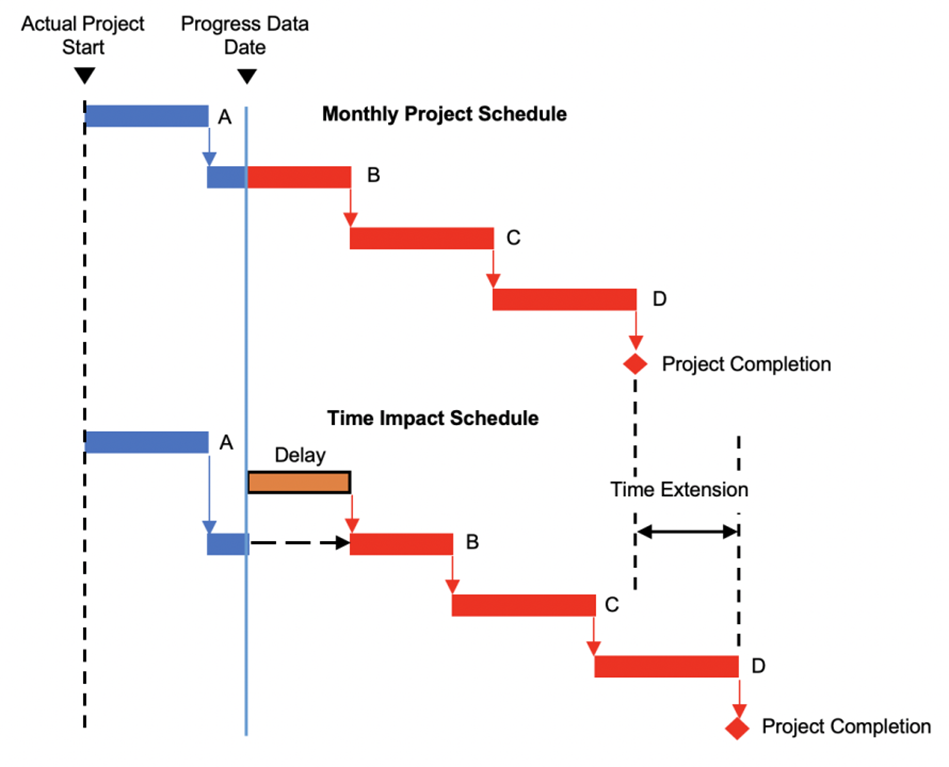
Delays
Claims and approvals
Without contractual knowledge:
Engineers make wrong commitments
Disputes arise with contractors
Project costs escalate
Professional credibility suffers
Understanding contracts and BOQ helps engineers protect the project, the company, and themselves.
What Is Tendering in Construction?
Tendering is the process of inviting bids from contractors to execute a construction project.
In simple terms:
Tendering decides who will build the project and at what cost.
Tendering Process: Step-by-Step
Step 1: Tender Notice
The client (government or private) issues a tender notice inviting bids.
Step 2: Tender Documents Issued
Documents include:
Drawings
Technical specifications
BOQ
Contract conditions
Completion timeline
Step 3: Bid Submission
Contractors submit:
Technical bid (capability, experience)
Financial bid (quoted rates)
Step 4: Evaluation
Bids are evaluated on:
Technical compliance
Financial feasibility
Past performance
Step 5: Award of Work
The selected contractor receives the Letter of Award (LOA).
Reader mindset alignment:Tendering decides who gets the project, not how it is built.
What Is a BOQ (Bill of Quantities)?
A Bill of Quantities (BOQ) is a detailed document listing all construction items, their quantities, and units.
Typical BOQ Contents
Excavation (m³)
Concrete (m³)
Reinforcement (kg/MT)
Masonry (m²/m³)
Plastering, flooring, finishing items
BOQ forms the financial backbone of a project.
Why BOQ Is Critical for Civil Engineers
BOQ helps in:
Cost estimation
Contractor billing
Progress payments
Variation calculation
Final account settlement
Site engineers use BOQ to:
Track executed quantities
Verify bills
Prevent overbilling

Engineers who understand BOQ gain authority in meetings and billing discussions.
Measurement & Billing: Where Engineers Play a Key Role
Measurements are taken on site and compared with BOQ items.
Key Responsibilities
Measuring completed work accurately
Recording quantities
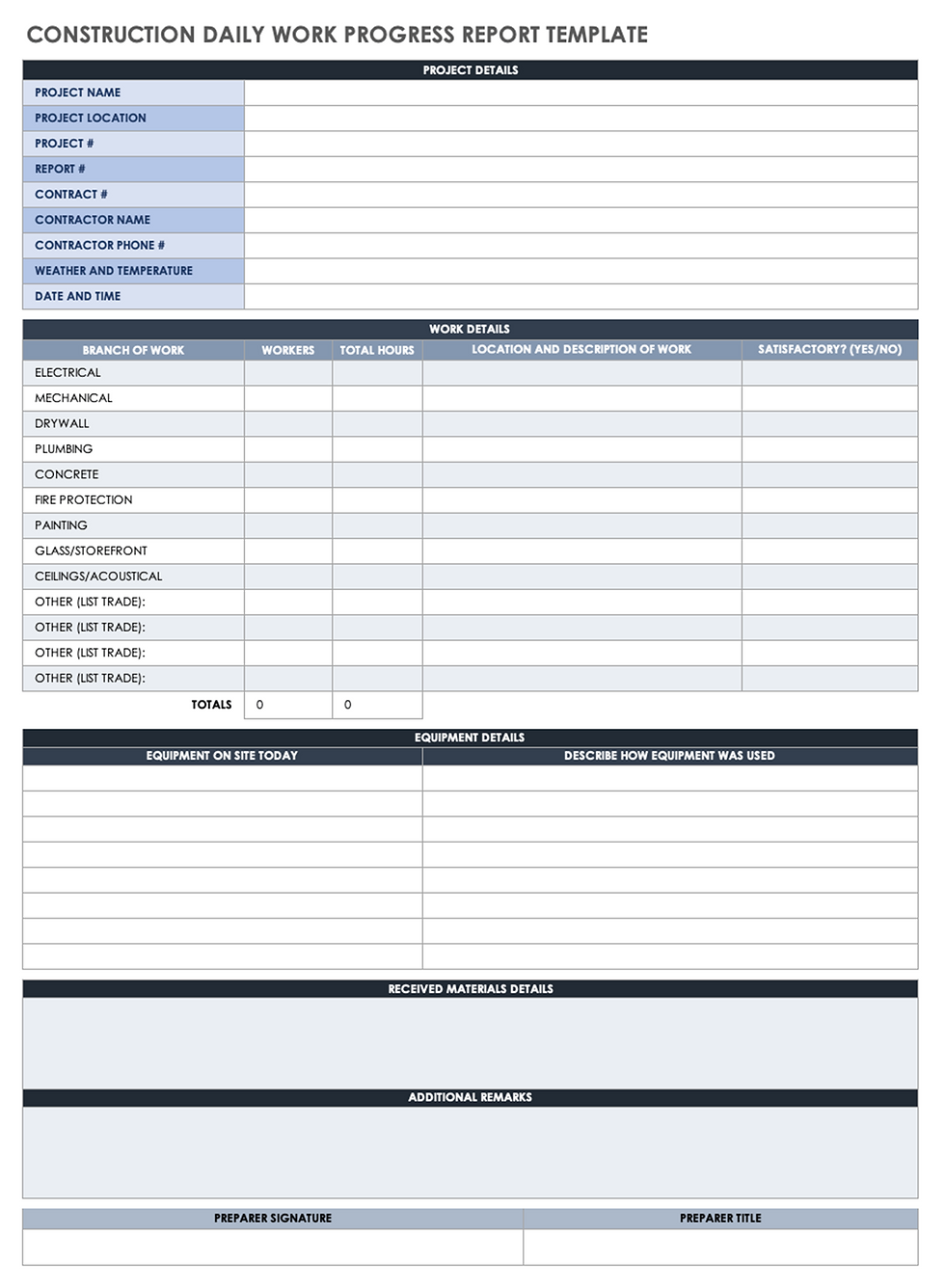
Preparing Running Account (RA) bills
Certifying contractor bills
Incorrect measurements can cause financial disputes and audits.
Types of Construction Contracts (Must-Know)
1. Item Rate Contract
Payment based on actual quantities executed
Common in government projects
Risk: Quantity variation
2. Lump Sum Contract
Fixed total cost
Contractor bears quantity risk
Used when: Scope is clear and stable
3. EPC Contract
Engineering, Procurement, Construction
Single-point responsibility
Used in: Infrastructure and power projects
4. Percentage Rate Contract
Contractor quotes percentage above/below BOQ rates
Common in PWD works
Freshers should at least understand item rate and lump sum contracts.
Important Contractual Terms Civil Engineers Must Know
Scope of Work – What is included/excluded
Time for Completion – Project duration
Liquidated Damages (LD) – Penalty for delay
Variation Orders – Changes in scope
Retention Money – Amount withheld for defects
Defect Liability Period (DLP) – Post-completion responsibility
These terms directly affect project cost and timelines.
Role of a Civil Engineer in Contract Administration
Civil engineers are involved in:
Interpreting contract clauses
Managing variations
Coordinating billing approvals
Preventing claims and disputes
Senior engineers and project managers expect juniors to gradually understand these aspects.
Contracts & BOQ in Interviews (Very Important)
Interviewers often ask:
What is BOQ?
Difference between item rate and lump sum contract?
How is billing done on site?
What is variation in construction?
Candidates who answer confidently stand out immediately.
Common Mistakes Freshers Make
Ignoring BOQ completely
Assuming billing is “accounts work”
Not reading contract clauses
Blindly approving quantities
These mistakes slow career growth.
How Freshers Should Learn Contracts & BOQ
Study BOQ of ongoing projects
Observe billing meetings
Learn basic measurement rules
Ask seniors about variations
Read standard contract formats
Learning contracts early gives long-term professional advantage.
Conclusion
Contracts, BOQ, and tendering are not optional knowledge areas, they are core professional skills for civil engineers. While drawings show how to build, contracts define what, when, and how much.
Civil engineers who understand both technical execution and commercial control grow faster, earn trust, and move into leadership roles.
In construction, the best engineers build structures and protect projects through knowledge.


Comments