
Construction Sites Teach You One Brutal Reality: Planning Means Nothing Without Execution
- Anjali Regmi
- May 20
- 2 min read

Introduction
In construction, impressive schedules, detailed drawings, and perfectly prepared plans may look excellent on paper. But the real challenge begins when execution starts on site.
Many projects fail not because planning was poor, but because execution could not match the plan. Labor shortages, coordination problems, delayed materials, unclear instructions, weather disruptions, and site-level mistakes often expose the gap between theory and reality.
For civil engineers, understanding execution is what separates technical knowledge from actual project management experience.
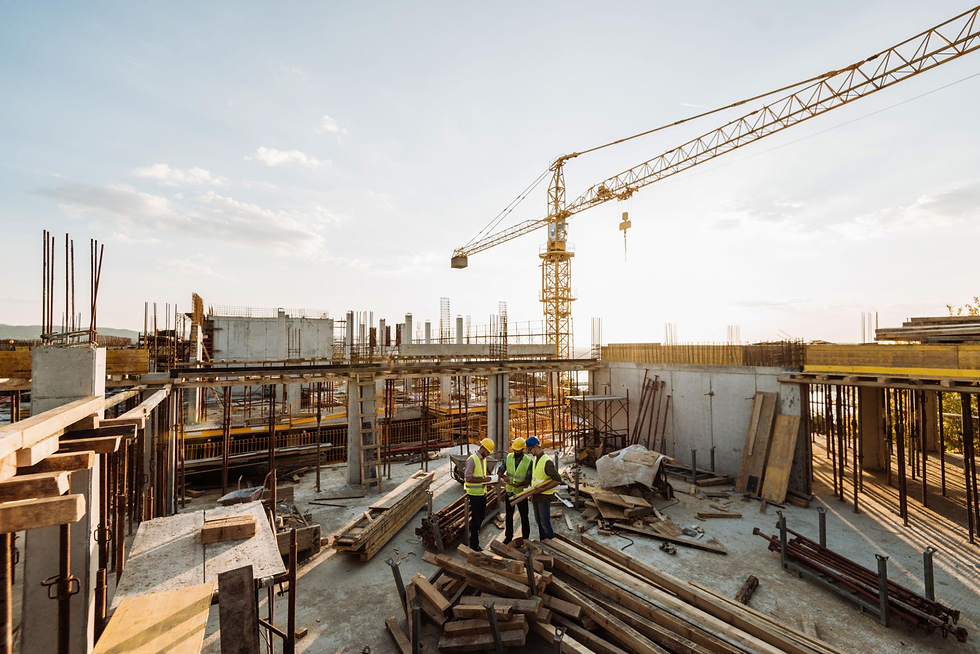
Site Reality Is Always More Complicated Than Drawings
Drawings and schedules cannot fully predict real site conditions.
Unexpected utilities, space limitations, workforce behavior, weather changes, and material issues constantly force engineers to adapt beyond the original plan.
A Good Plan Still Fails Without Coordination
Even strong planning becomes ineffective when communication and coordination are weak.
Projects require continuous alignment between engineers, supervisors, workers, contractors, suppliers, and consultants for successful execution.
Execution Pressure Tests Engineers Every Day
On site, engineers are expected to make quick decisions while handling delays, technical problems, labor management, safety concerns, and client expectations simultaneously.
Execution requires problem-solving skills that cannot be learned only through theoretical planning.
Small Site Mistakes Can Destroy Large Project Plans
A single measurement error, delayed approval, or coordination failure can affect multiple downstream activities.
Construction projects depend heavily on disciplined execution and attention to detail at every stage.
Experienced Engineers Focus More on Execution Than Promises
Experienced professionals understand that project success is determined more by consistent execution than ambitious promises.
Strong engineers focus on realistic workflows, continuous supervision, proactive coordination, and quick problem resolution.
Conclusion
Construction teaches a difficult but important lesson: planning alone never guarantees project success. Execution is what truly determines whether a project progresses smoothly or struggles continuously.
For civil engineers, technical knowledge matters, but practical execution skills, adaptability, and strong coordination are what ultimately define success on real construction sites.


Comments