
Construction Sites Can Expose Weak Planning Within the First Few Weeks of Execution
- Anjali Regmi
- May 22
- 2 min read

Introduction
Many construction projects begin with confident timelines, detailed presentations, and optimistic schedules. On paper, everything may appear organized and achievable. But once actual site execution starts, weak planning becomes visible very quickly.
Incomplete drawings, unrealistic timelines, poor resource allocation, delayed procurement, and unclear workflows often begin creating operational problems within the first few weeks.
Construction sites do not hide planning mistakes for long. Real execution exposes them immediately.
Unrealistic Schedules Become Visible Almost Immediately
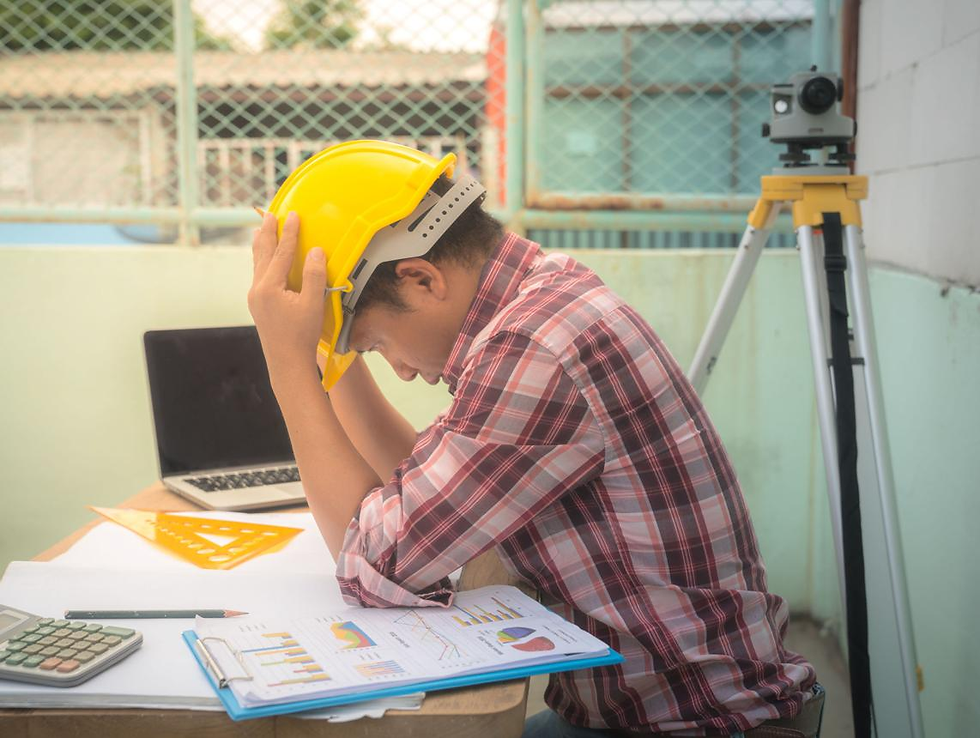
Some project schedules are created without fully considering approvals, procurement lead times, labor availability, or actual site conditions.
Once execution begins, activities start falling behind because the original timeline was never realistically achievable.
Poor Coordination During Planning Creates Site Confusion Later
When planning teams fail to coordinate properly before execution, site engineers eventually face drawing conflicts, material shortages, and overlapping work activities during construction.
Procurement Delays Reveal Weak Preparation Fast
Projects cannot progress smoothly when procurement planning is incomplete.
Delayed material approvals, late purchase orders, and unavailable vendors quickly slow execution and create pressure across the project.

Site Engineers Often Inherit Planning Problems They Did Not Create
Many planning mistakes become visible only during execution, placing additional pressure on site engineers who must now manage the consequences in real time.
Experienced Engineers Focus on Practical Planning, Not Just Presentations
Strong engineers understand that effective planning is not about creating attractive schedules alone.
Good planning must consider execution realities, workforce behavior, procurement timelines, technical coordination, and potential project risks from the beginning.

Conclusion
Construction sites quickly expose weak planning because real execution immediately tests schedules, coordination systems, procurement strategies, and decision-making processes.
For civil engineers, successful project management depends on creating realistic, execution-focused plans instead of relying only on ideal timelines or theoretical workflows.
In construction, the quality of planning becomes visible the moment real work begins on site.


Comments